
Coming back from Greenfield Village, its become clear to me that Henry Ford’s vision of the progress of human inspiration has truly manifested itself in this 85 acre site, which has helped preserved our way of living from decades past. Nearly 100 years old, Greenfield Village is as varied and special in it’s points of interest as is the Henry
As is the case with the museum, there will be no true way to capture the grand scale of the entire place, so just bear with me here!
And off we go!
Greenfield Village
First off, on the exterior of the complex, tell me if this design seems familiar.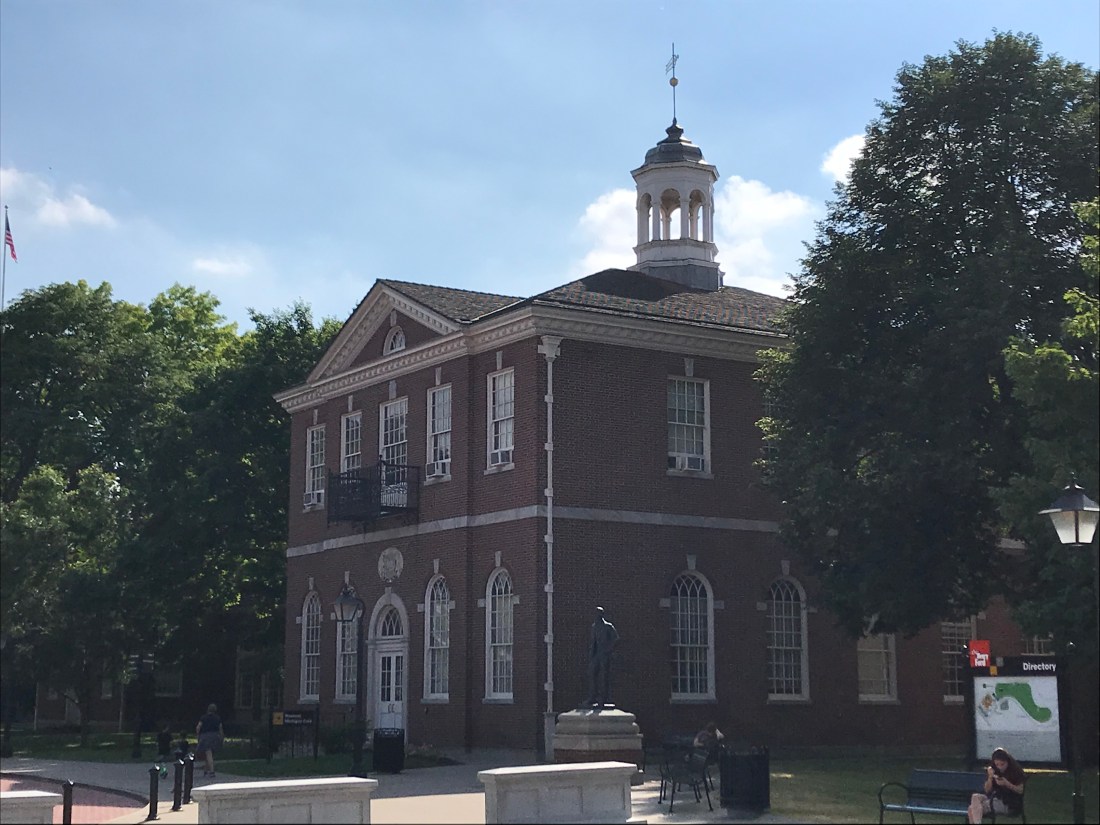
Not yet? how about this?

Yep….this was modeled after Independence Hall in Philadelphia. Ford even offered to move the famous landmark to Dearborn… Im kind of glad that they didn’t.

And theres the man behind it all himself, Henry Ford.

Here’s the main entrance!
 We had no idea that it was this old! Of course, it inspired Walt Disney to create his famous theme parks.
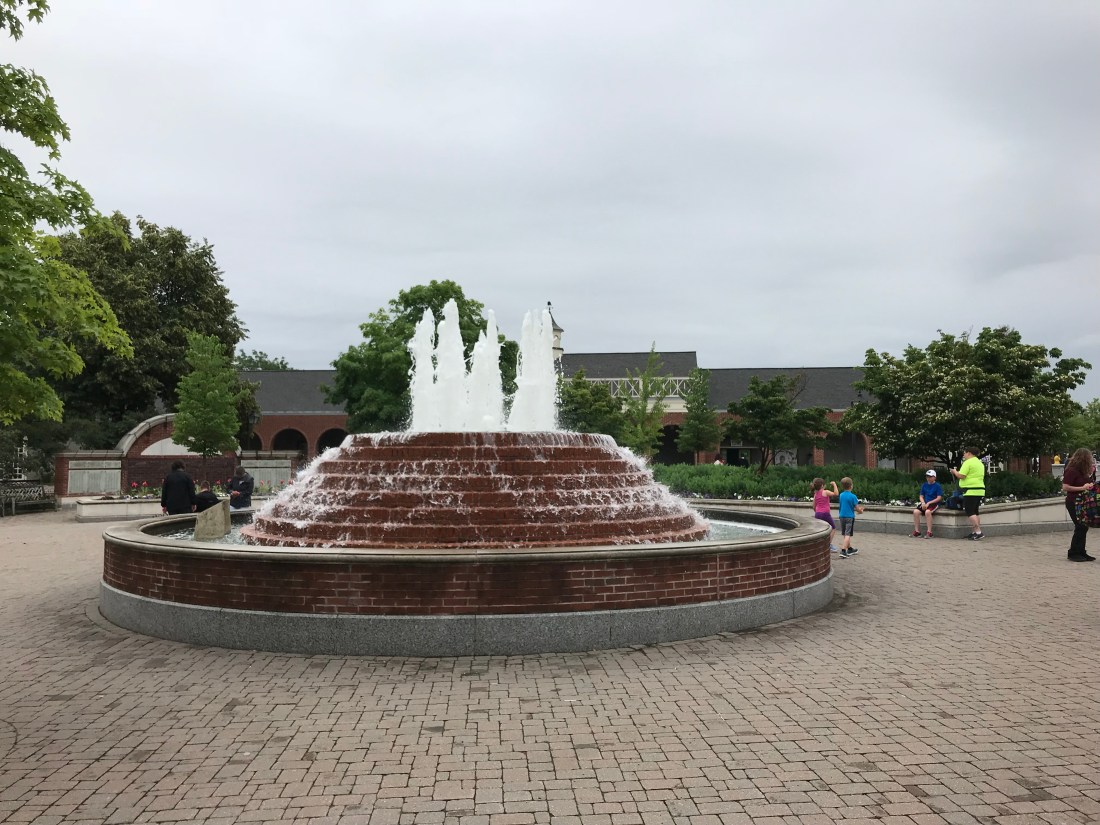 This intriguing fountain of bricks was in the center of the entrance plaza, with merry carnival music sounding everywhere. It was a nice touch.
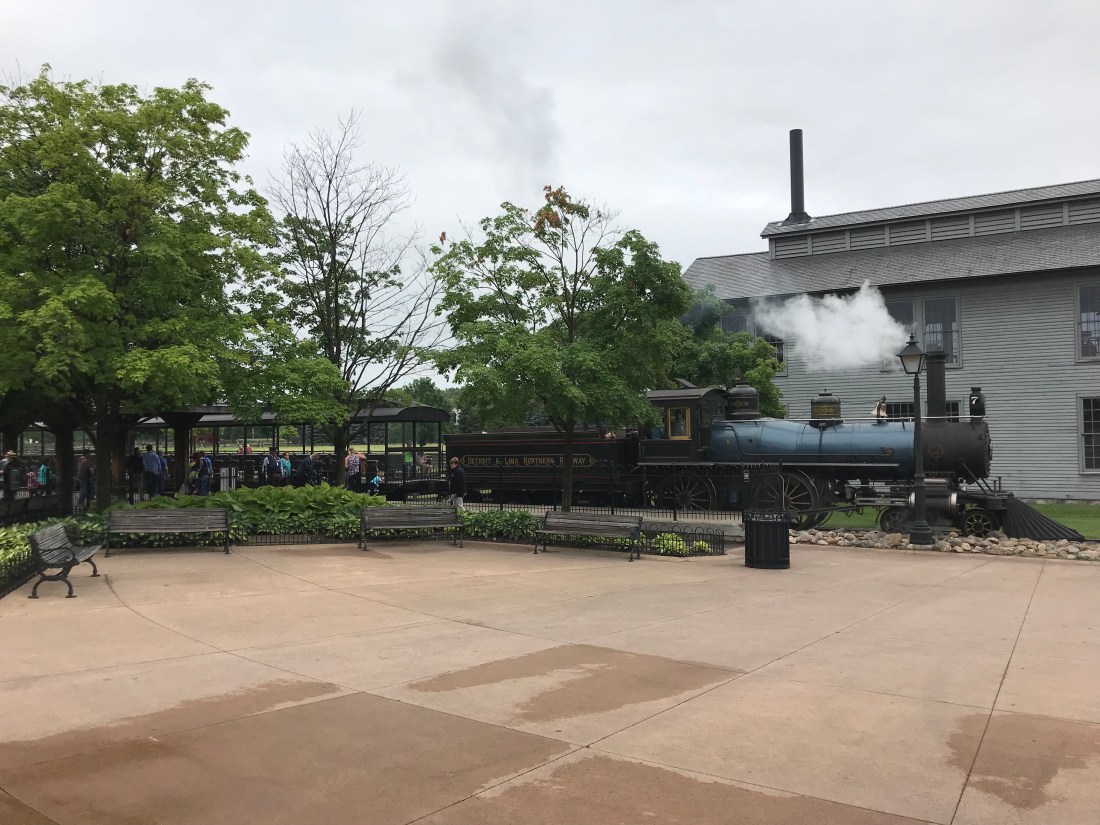 We then came across the train! It goes around the 85 acre lot, and offers some neat views in case you wanted to do a full round trip to scout around (which we did.)
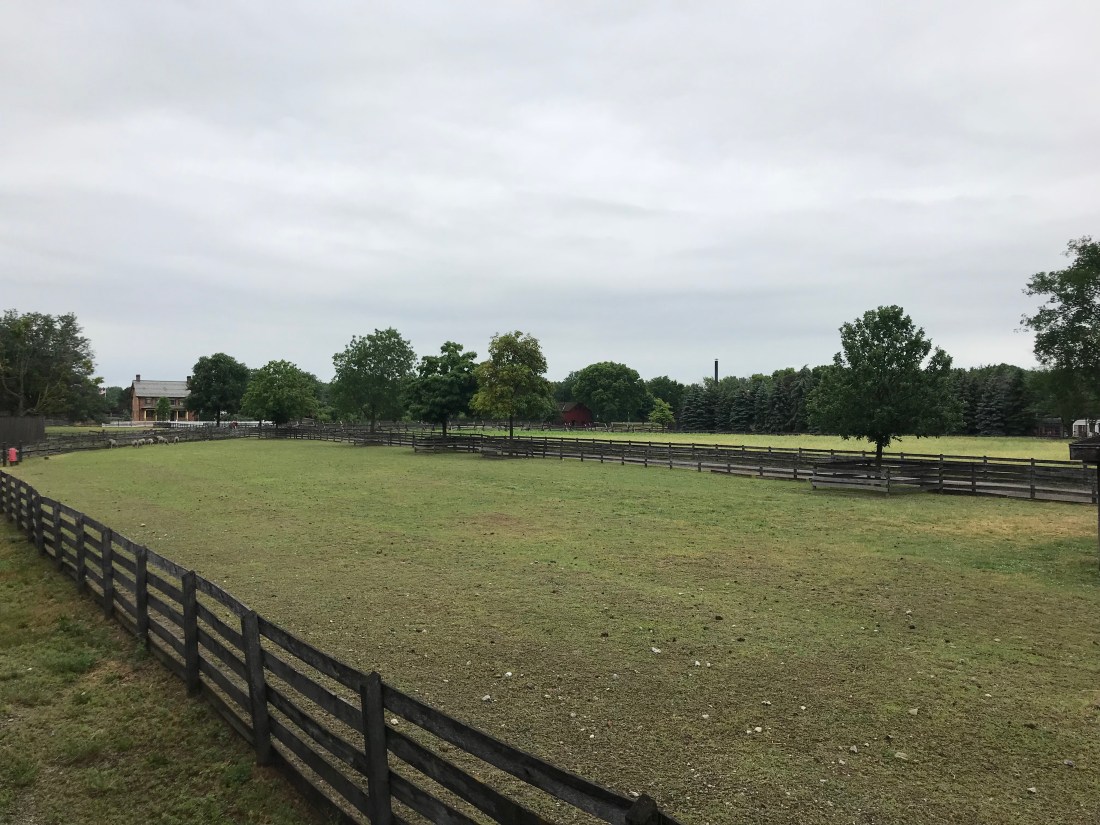


Plenty of fields for farming and livestock were around… when you think of the Detroit area, you usually don’t think of agriculture.
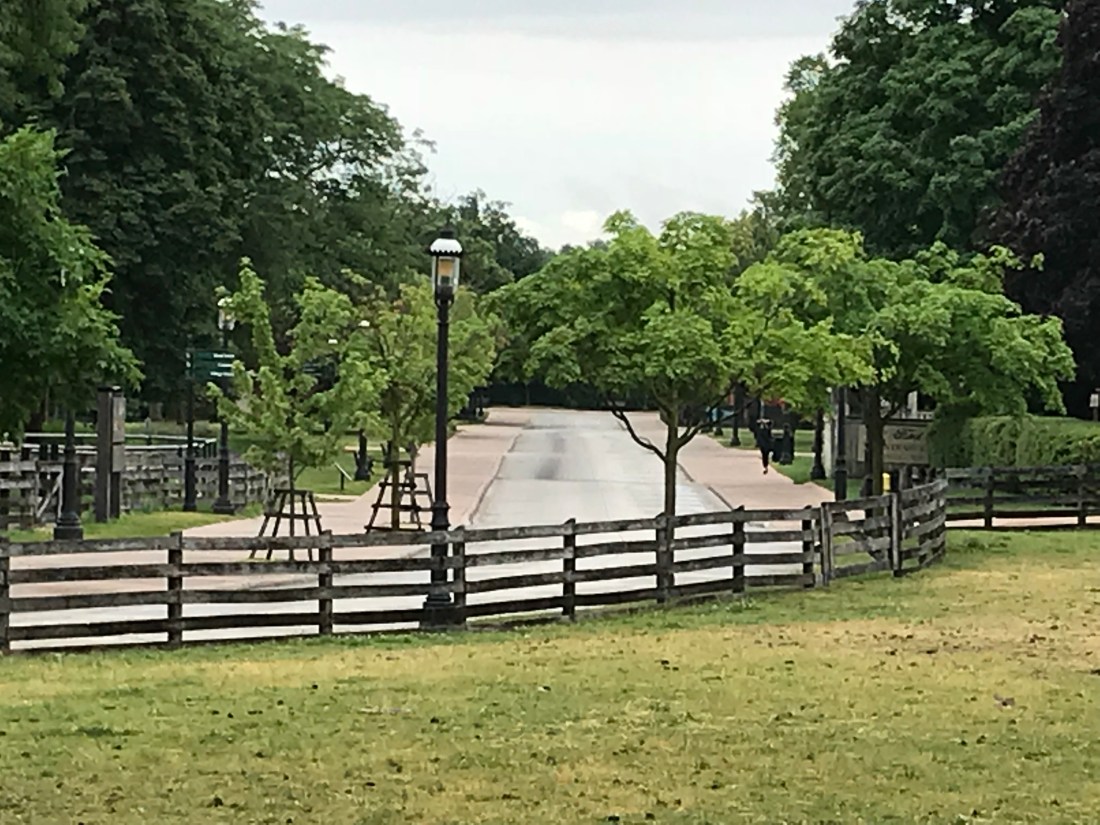
 Plenty of these streets are fashioned to the liking in the early 1900s. Horse drawn carriages and even Model T Fords stream by every once in a while, as you’ll see later on.
 An old toll bridge. I wonder if there was such thing as a legend of a troll under the toll bridge?
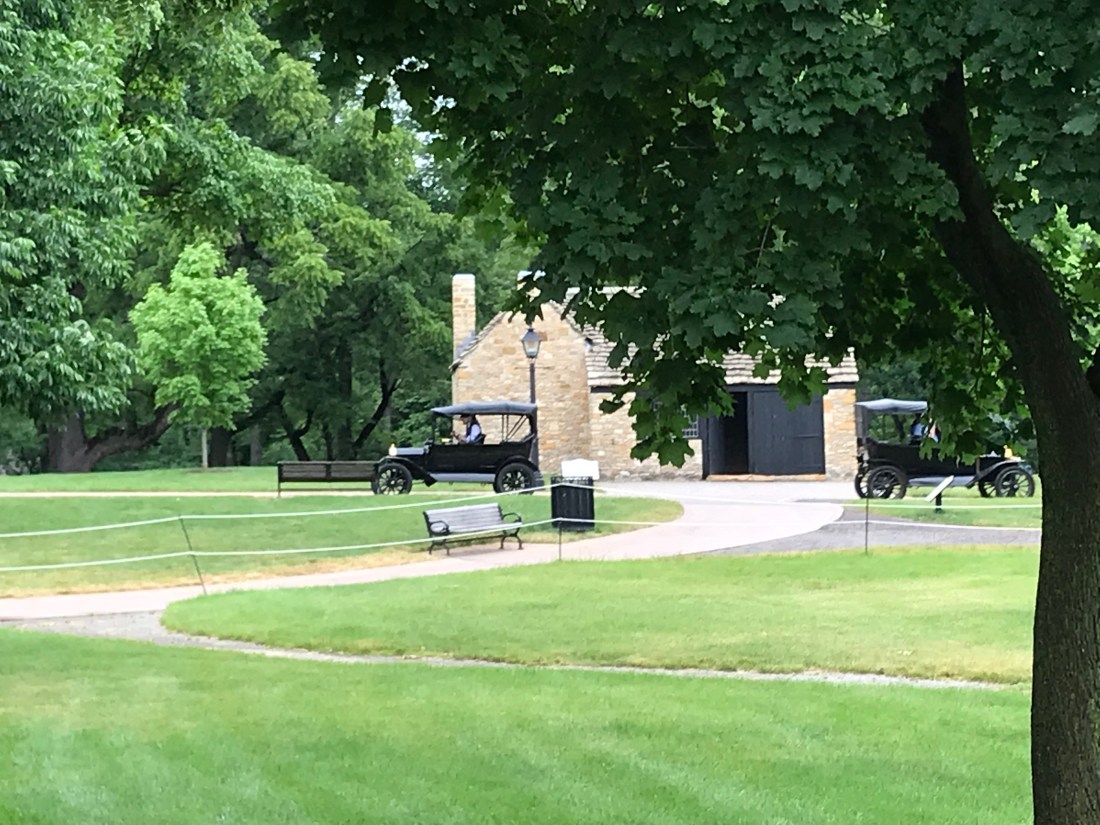 Here’s those Model T Fords I was talking about! And the best part? You can actually get to ride them (We got the Ultimate Riding Pass, which granted us access to the Carousel, Model T Fords, carriages, and the train)!
 Here’s a closer look at the train.
 Down another walkway. Who knows what could be found?
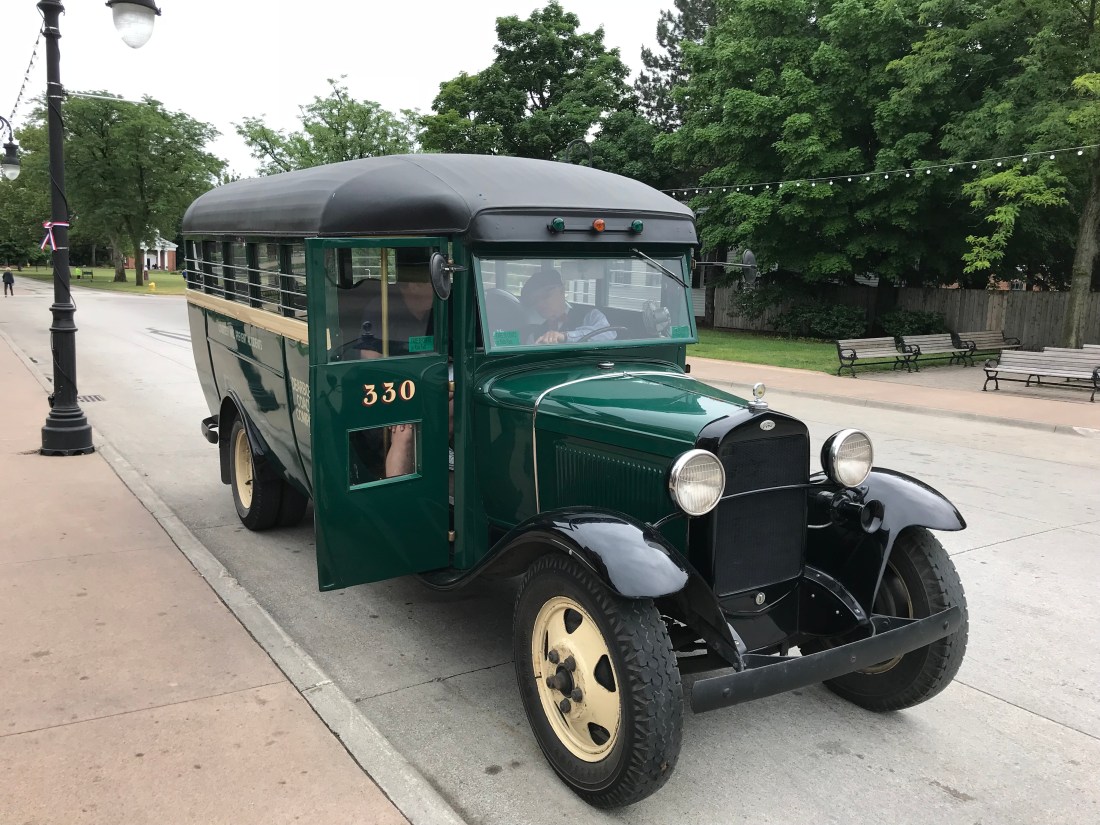 And this vintage bus actually grants tours around the area too!
Heading inside, and meeting our driver (most of the workers wore clothing appropriate to the time period), we toured the roads this time, and saw many sights that got us eager to explore (that I will soon show)!
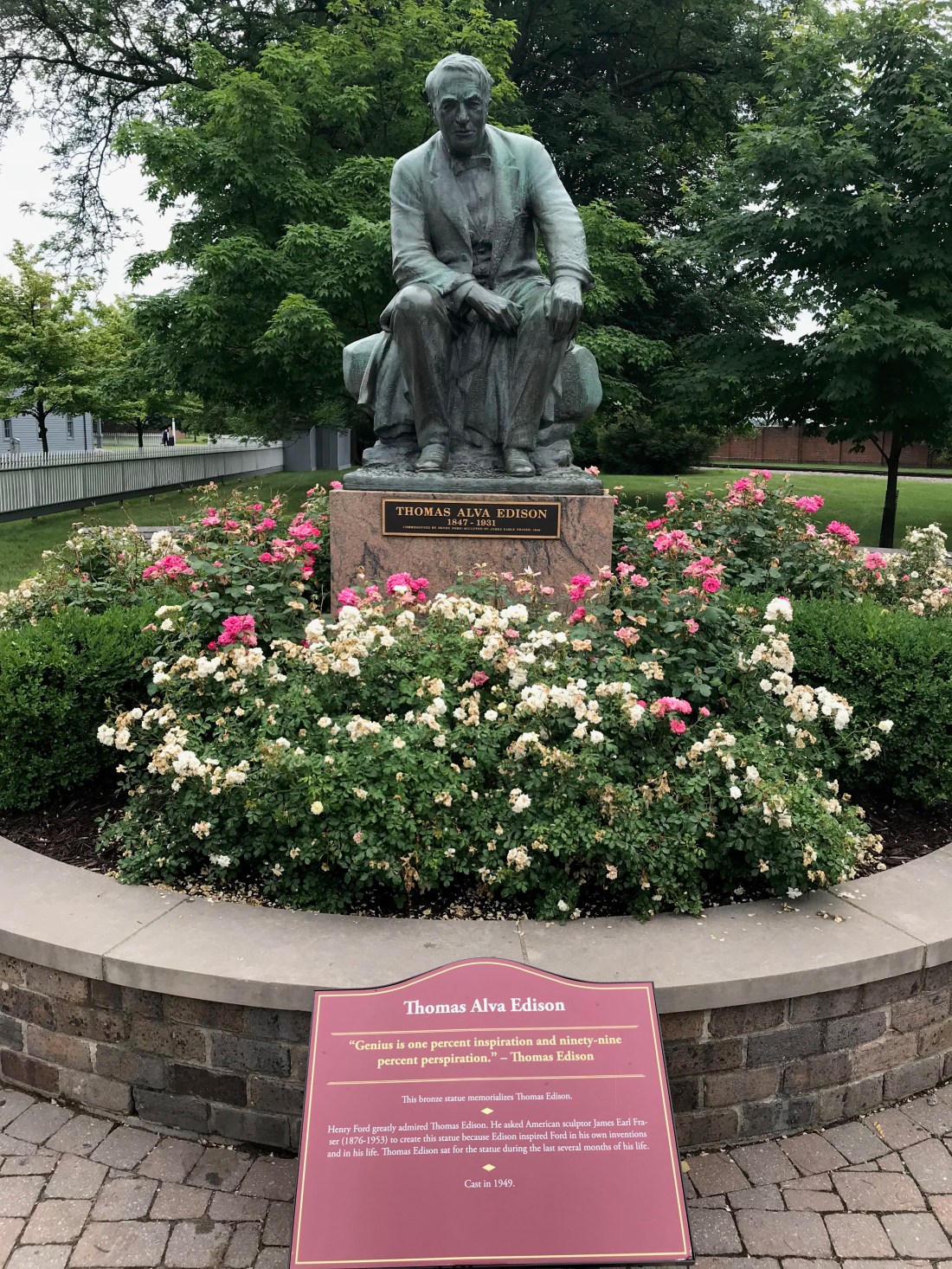 Thomas Alva Edison… no one could doubt that he was a shrewd businessman and ambitious inventor. Henry Ford looked up to him as his friend and a hero.
 Most of the buildings present in Greenfield were brought in from other places, while others were replicas. As no city wanted to donate their town hall, Ford constructed this from scratch.
 Here’s looking down main street, we’ll look at more of these places soon!
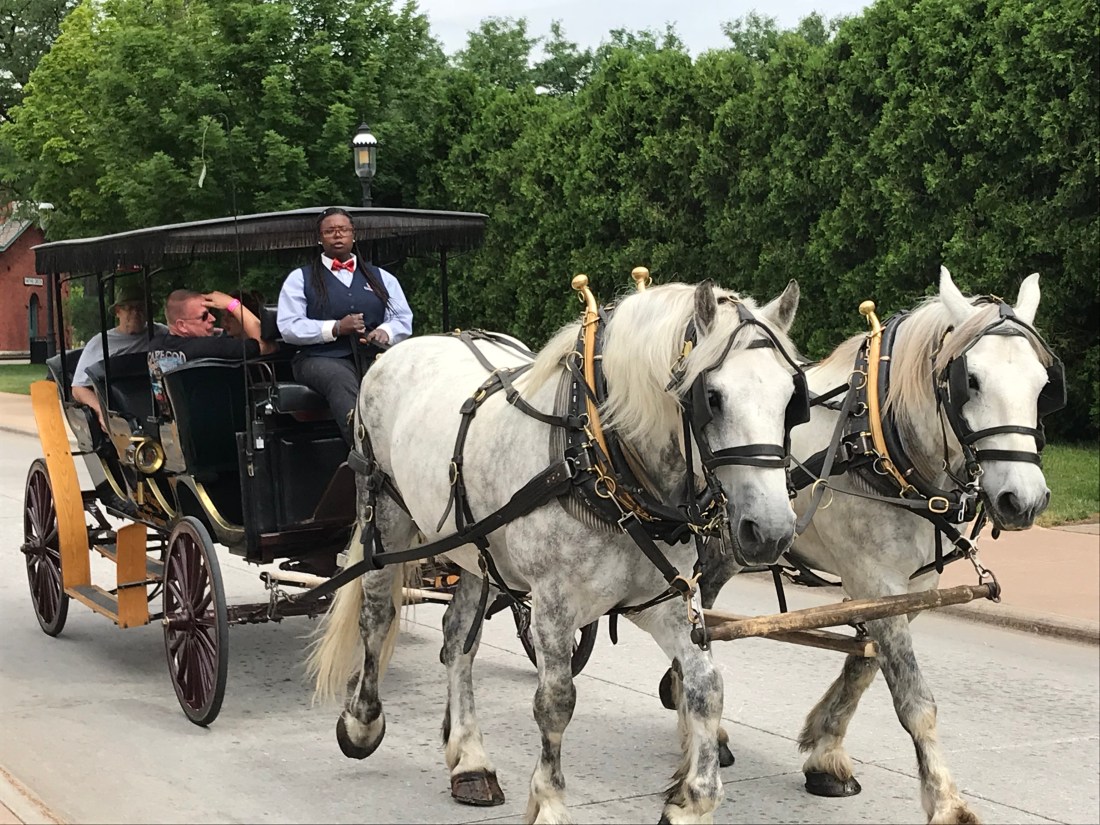
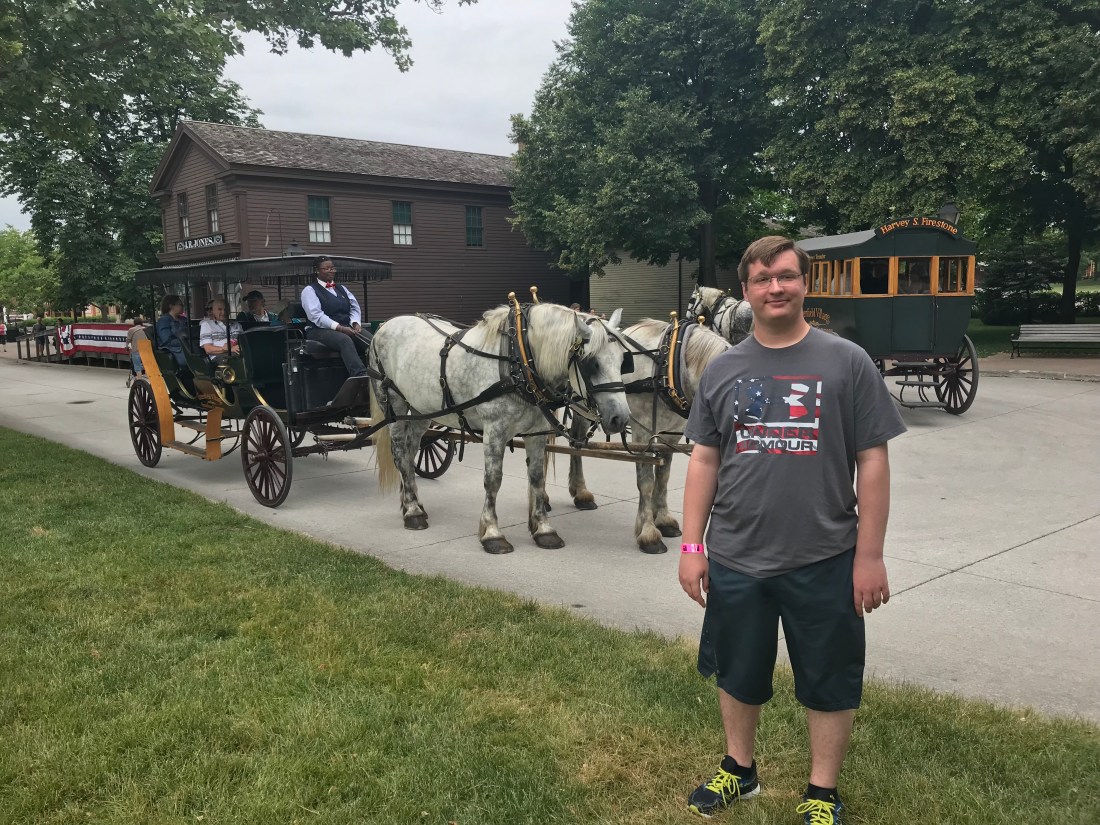
Here are those carriages! One can hear the clop clop clop of their hooves from a good distance.
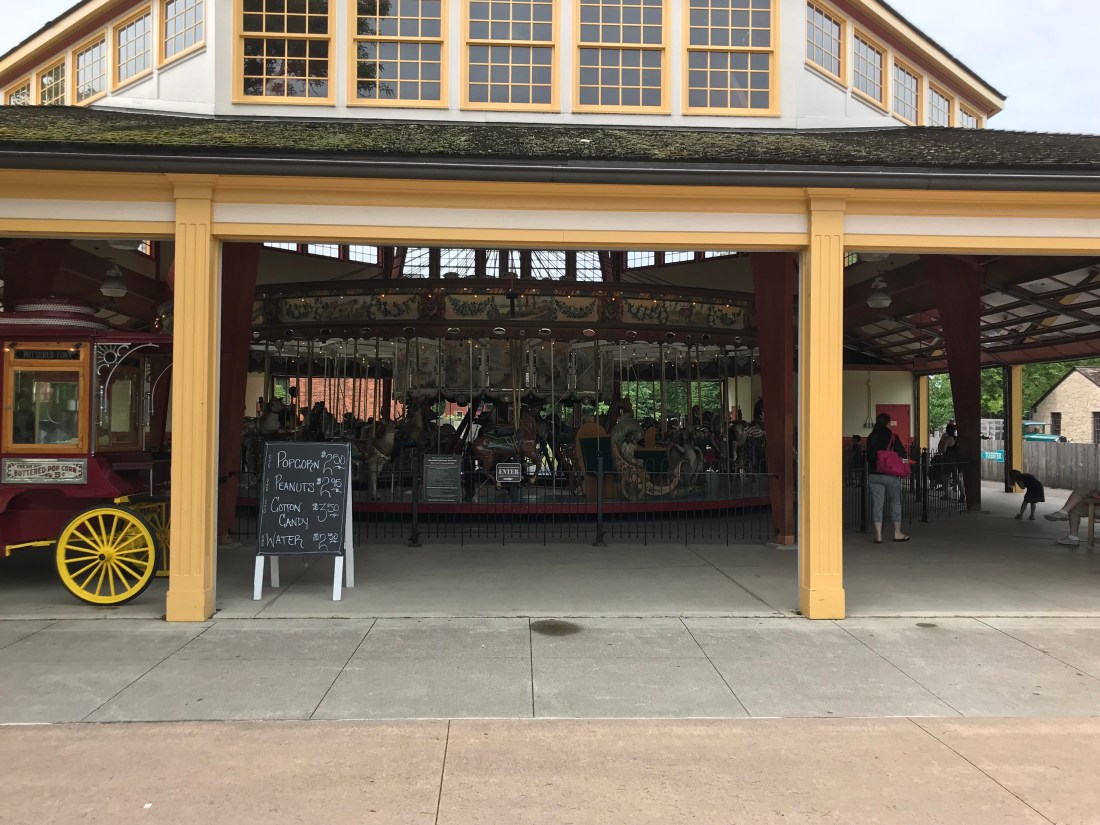 A carousel! The building isn’t original, but the ride itself is!

Over 105 years old actually… restored to painstaking detail.
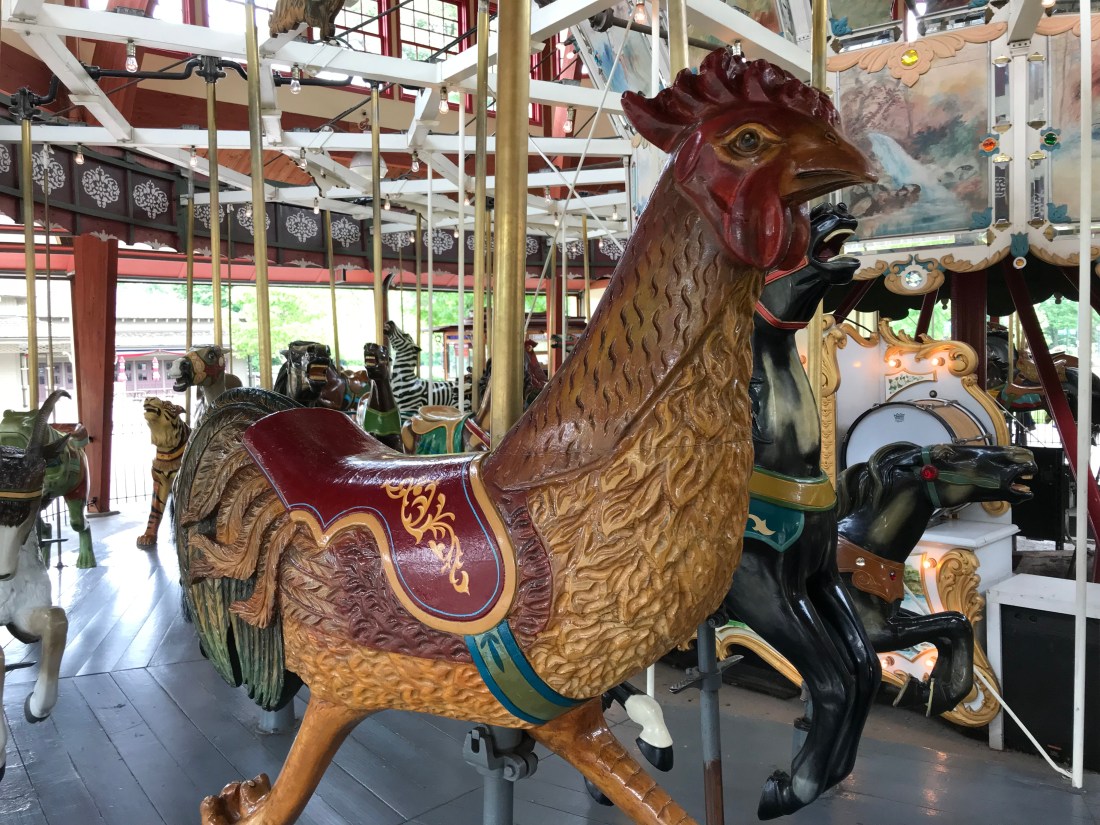
Well, there’s only one thing for it. I hopped on my trusty rooster, and off we went!
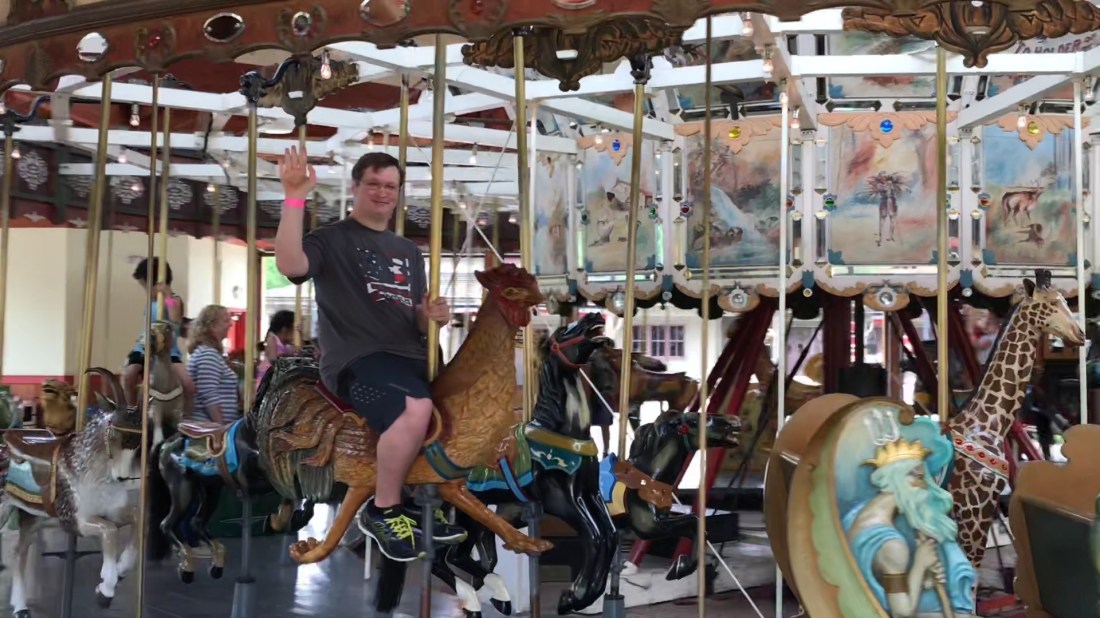
Don’t judge me. I’m doing it for the “Historical Perspective”.
Riding a children’s attraction sure works up an appetite… we headed on over to the nearby “Eagle Tavern”, similar to one that could be found in 1850s Michigan.


These people are dressed to impress!

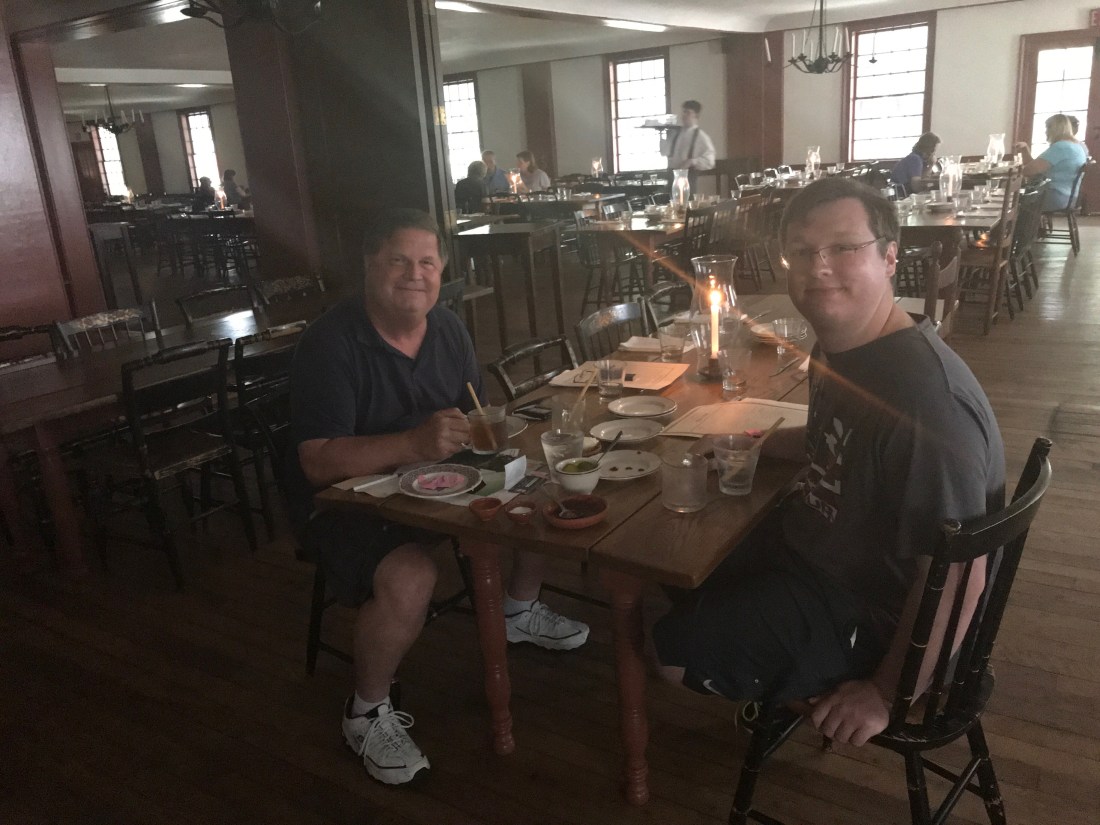 Lunch by candlelight…

This was my meal! Roast Pork and Onion Sauce with Asparagus and Potatoes! The bread was really nice too, with some of the best raspberry jam I have ever tasted!
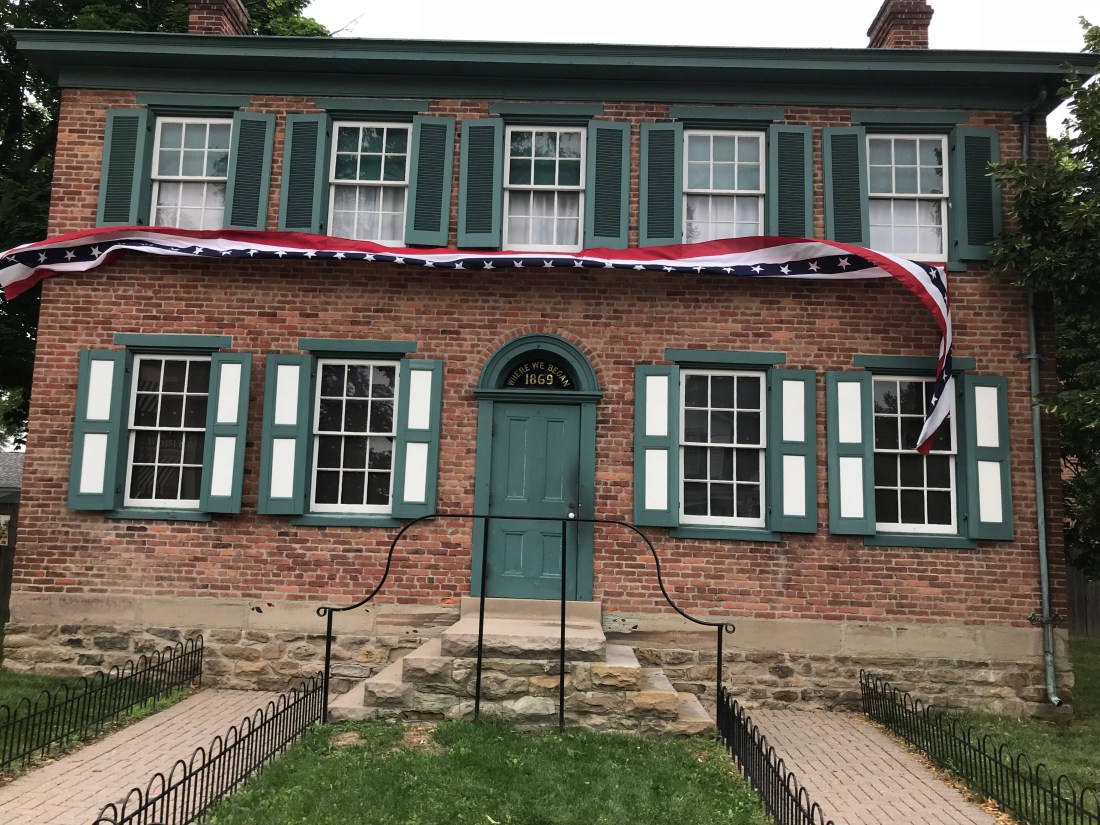
And this is the Heinz House! In case that sounds familiar, this is the Heinz Company that makes all kinds of condiments, including their famous ketchup!

This is an actual Michigan train roundhouse! The rotating track is still functional, and every 20 minutes, there is a demonstration where kids can push the levers on each side to move the track.
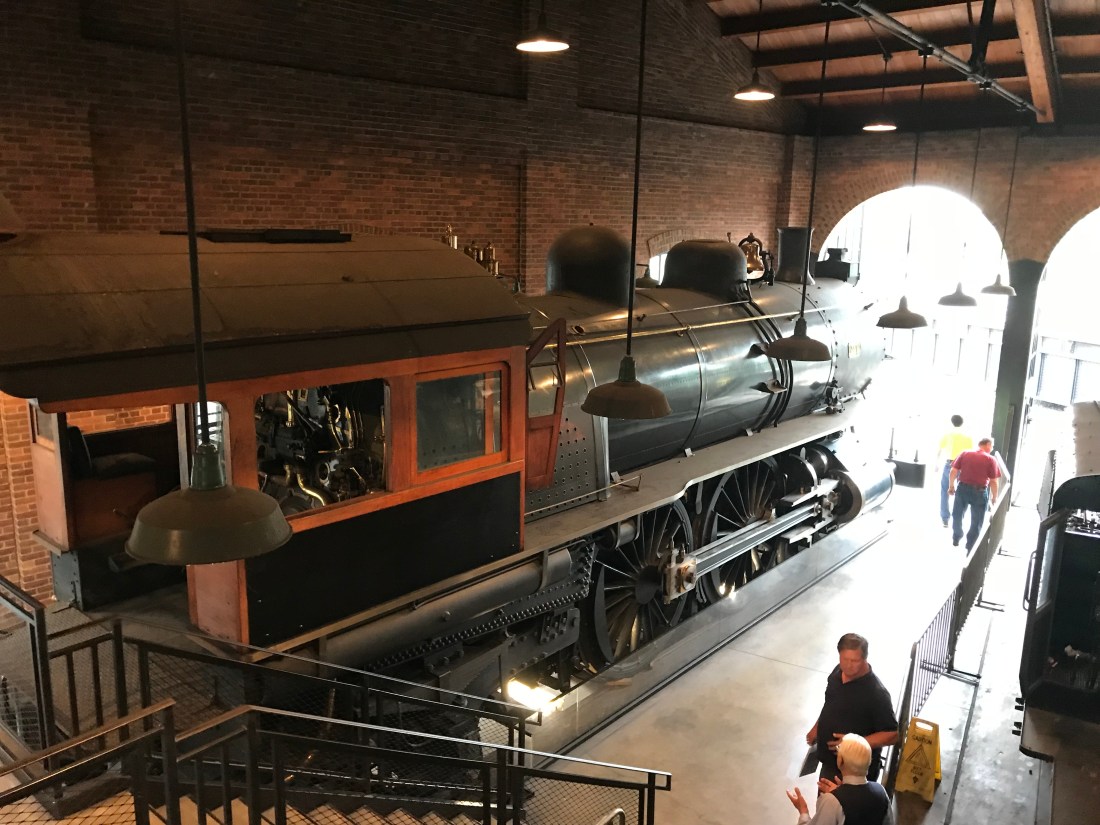
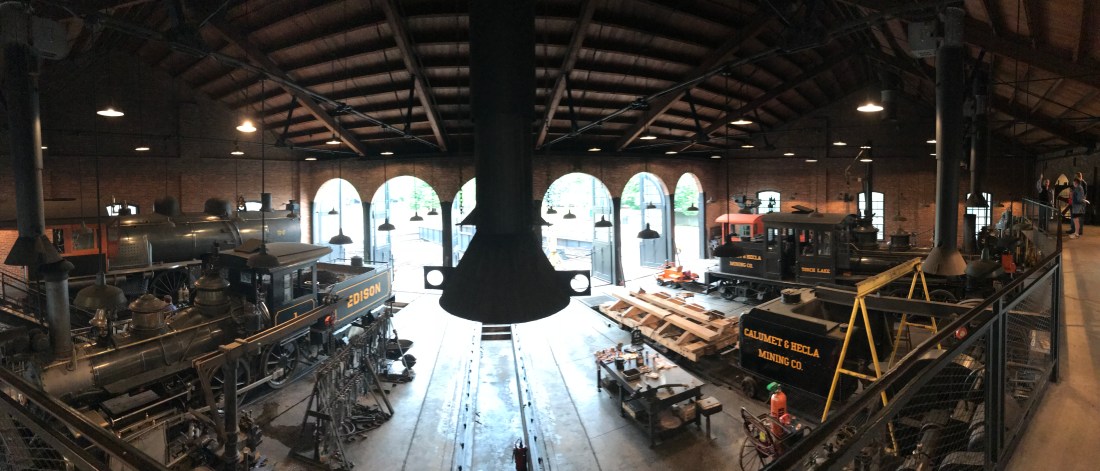
 Here’s inside the roundhouse! Reminds me an awful lot of the one in Durango, in Colorado.
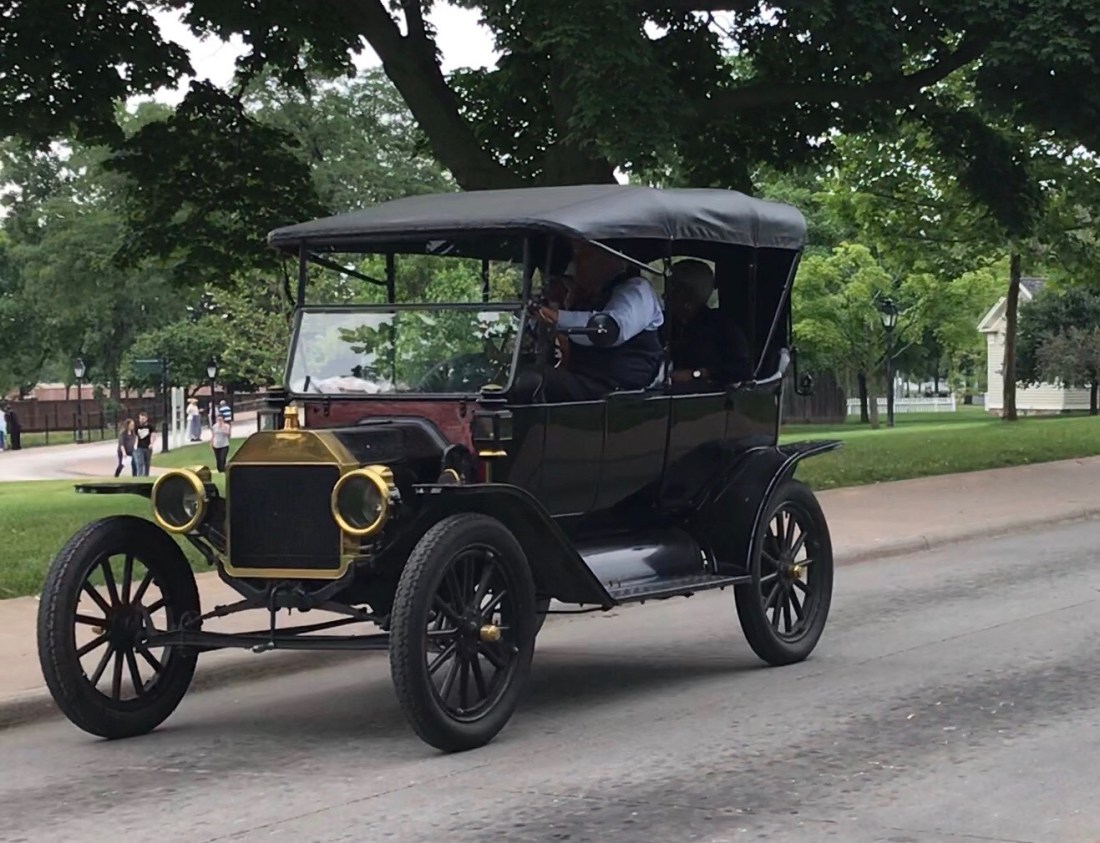
We even got to ride about in the Model T Ford around town! It was just so intriguing to see these nearly century old cars still operational. It’s an enchanting experience unlike any other.
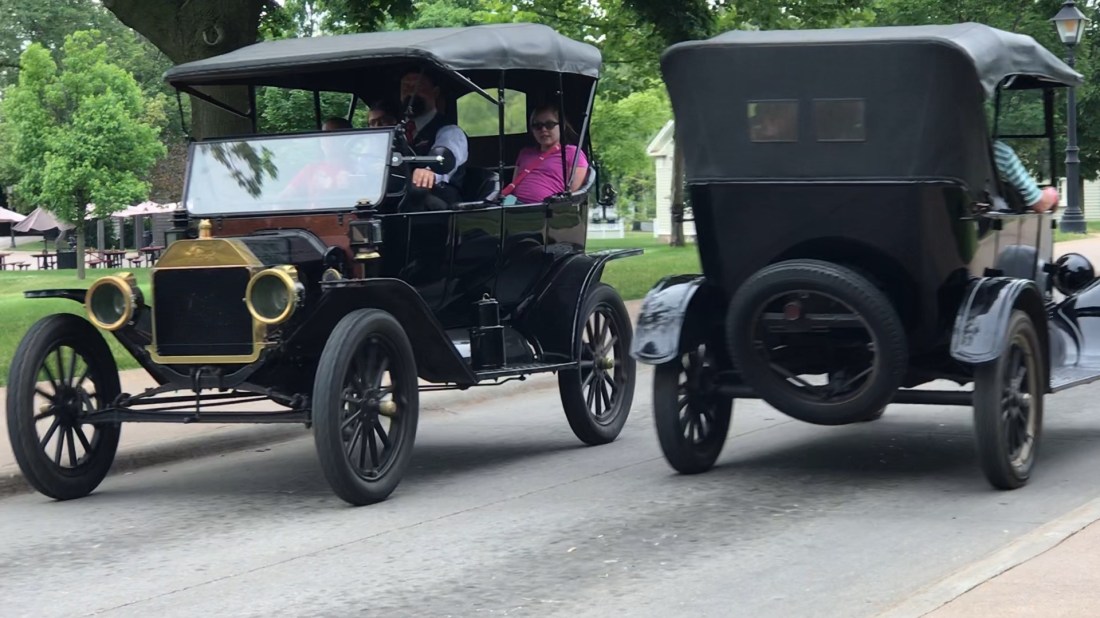
There are about 13 cars in the “fleet”, which load and drop off passengers at a “depot”.
 This is actually an Edison Power Plant! While Edison promoted the Direct Current System (D.C., which could only power things a mile way), Nikola Tesla instead advocated his more popular “Alternating Current System” (A.C., which had a farther range). Still, this is an original building, moved to Greenfield Park.
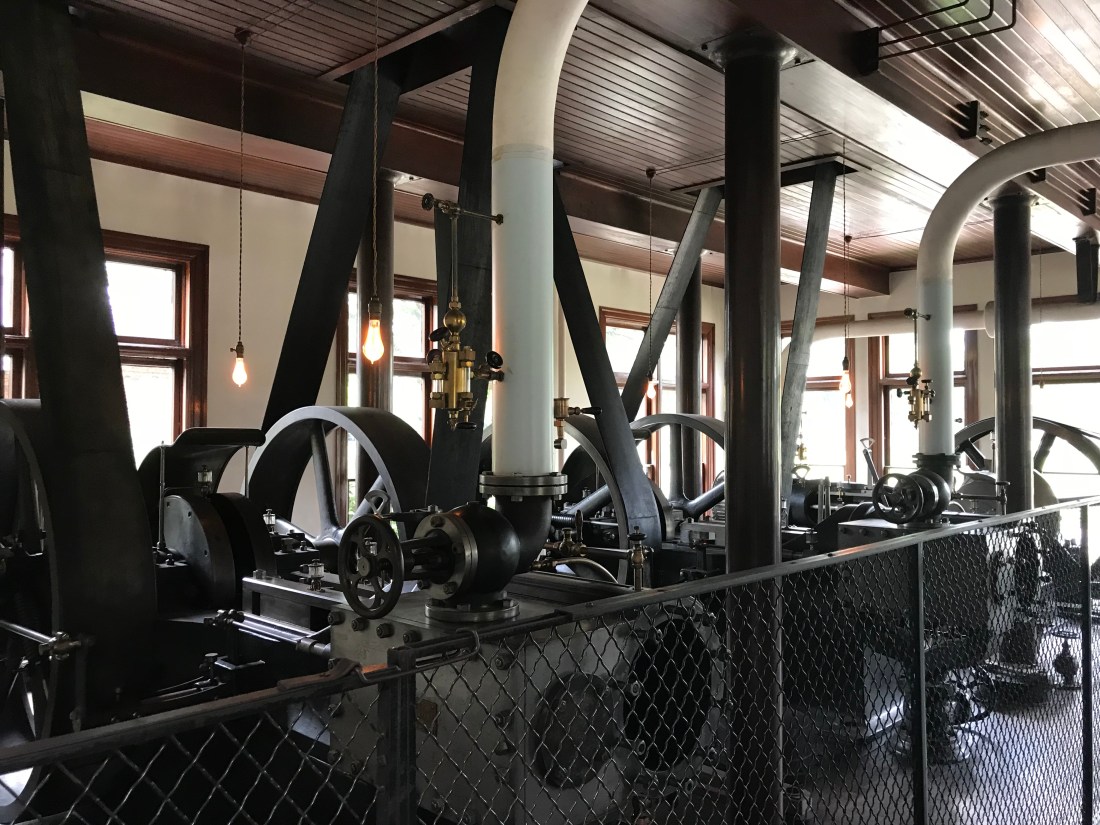
 And these are actually inside the plant! That furnace in the second picture has the words “T.A. Edison on it, if you look real close.

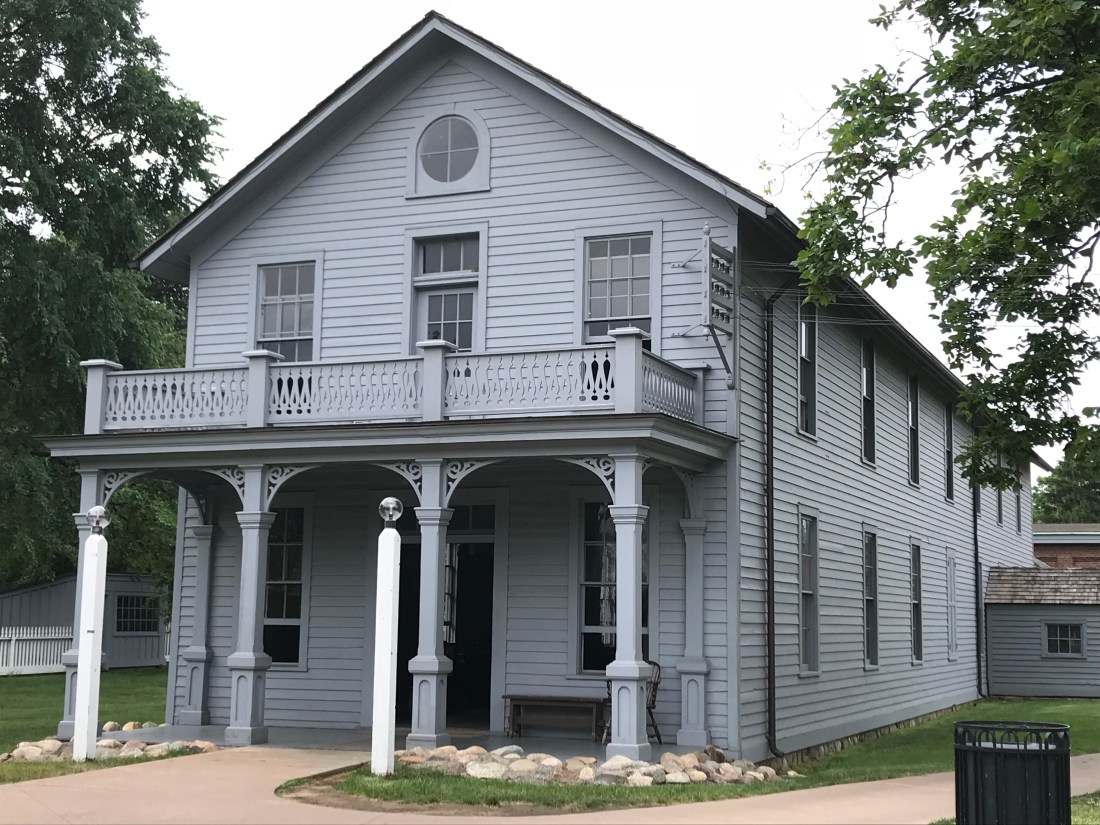 Also present was the actual MENLO PARK! This complex of buildings was where almost all of Edison’s experiments were performed, and where he created the first successful lightbulb. Edison told Ford that the complex, under no circumstances, could leave New Jersey Soil.
So what did Henry Ford do? He shipped a bunch of the soil from New Jersey, and put the buildings on THAT soil. Even back then, loopholes were in common usage.

This woodworker’s shop helped with any related services needed to meet Mr. Edison’s experiments. Note the wood shavings on the ground.

 And this long row worked out any crafting of machinery or forging to meet standards. Edison had his men working constantly to create more and more breakthroughs every day.
This is the main building’s first floor, where a majority of operations would be underway. All the items on the shelves were replicated to exact detail as when Thomas Edison was alive. When Edison came to inspect the place, he came out 30 seconds later, saying that the place wasn’t this clean. Very particular guy, Edison.
 This was the “Chemistry Nook”, where presumably substances were made to suit Edison’s needs.
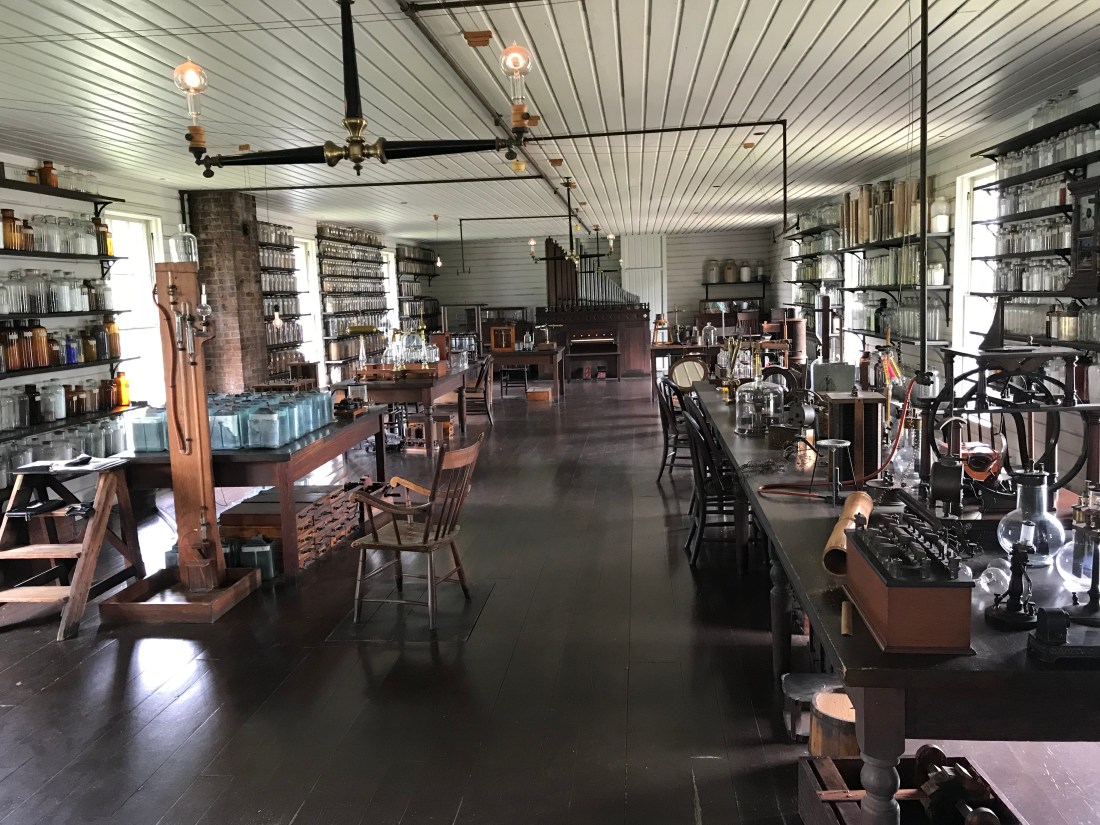
And this was the main laboratory! Imagine all the discoveries that Edison made in here…
And yes, that is a pipe organ in the back. The workers would sometimes entertain themselves by playing it.

In every known language!? Well… that was pretty big back then. Audio recordings were unheard of!
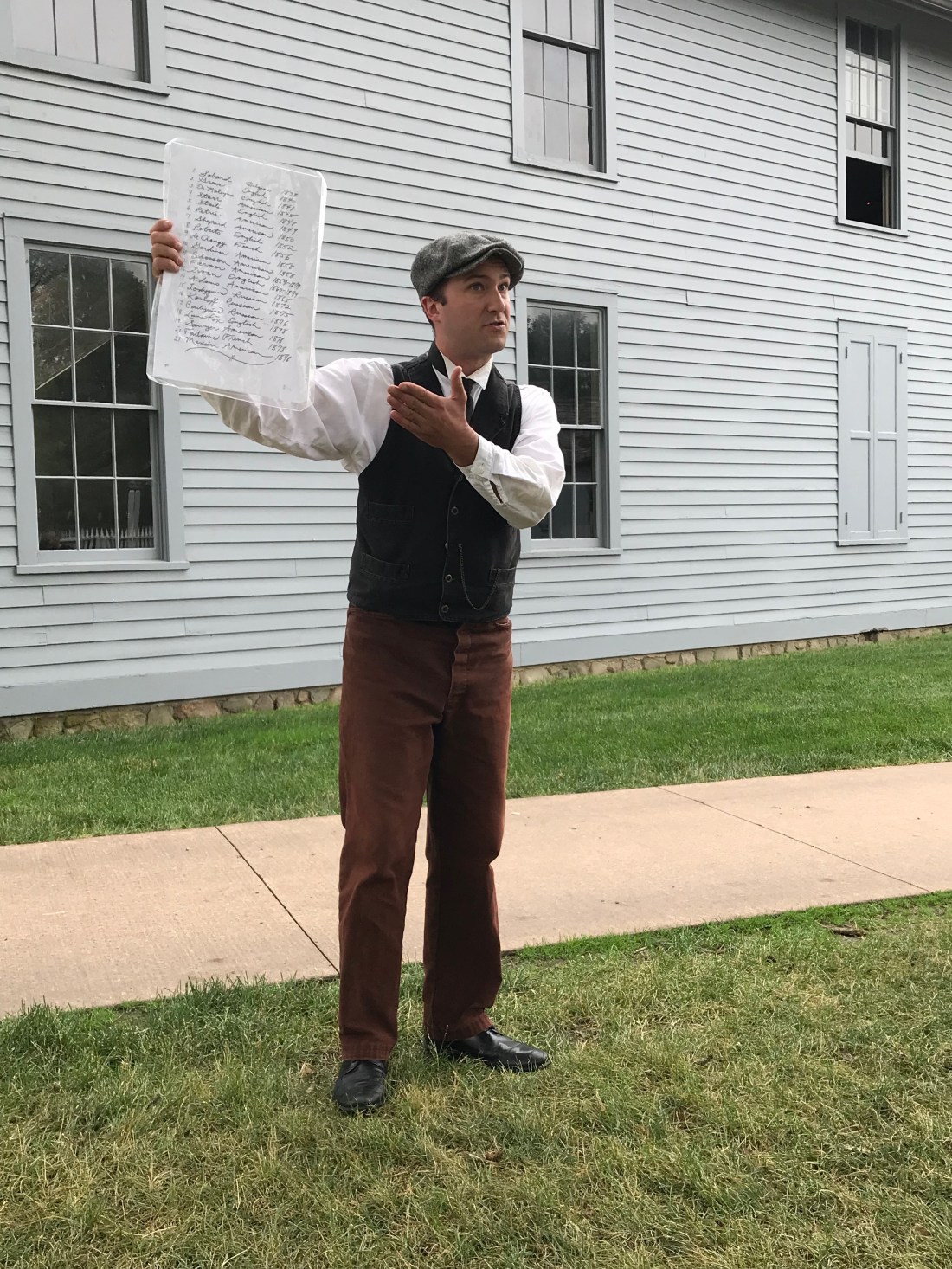
Mr. Edison (how many famous people have we met already!?) also gave us a presentation on how Menlo Park operated, and how the development of the first successful lightbulb came to be. Fun fact, that very same lightbulb is found in the Smithsonian Museum of American HIstory.
 On main street, we also discovered the Wright Brothers’ home! Their sister and father would listen eagerly as the brothers continued experiment after experiment, until they successfully created an aircraft that could last 59 seconds in the air!
 A small play on the porch consisted of actors depicting Wilber, Orville, and their sister, Katherine. It helped capture the emotion and great impact that the Kitty Hawk Flights made to change the course of history forever!

Even their bicycle shop from Dayton was there! It was here that the Wright Brothers planned, designed, and constructed their flying “airplanes”, and truly defined the limitless boundaries of human ingenuity.


And here is the bicycle shop itself! Notice that the rims of the wheel are wooden.

 And in the workshop and garage, they constructed all their devices and aircraft! It must have been very exhausting, working in a place like this.
 And this was actually the first Ford Motor Company Factory! Due to it’s size, its apparent why it only lasted a couple of years. Ford moved his business to Piquette Avenue afterwards, which we showed two days ago.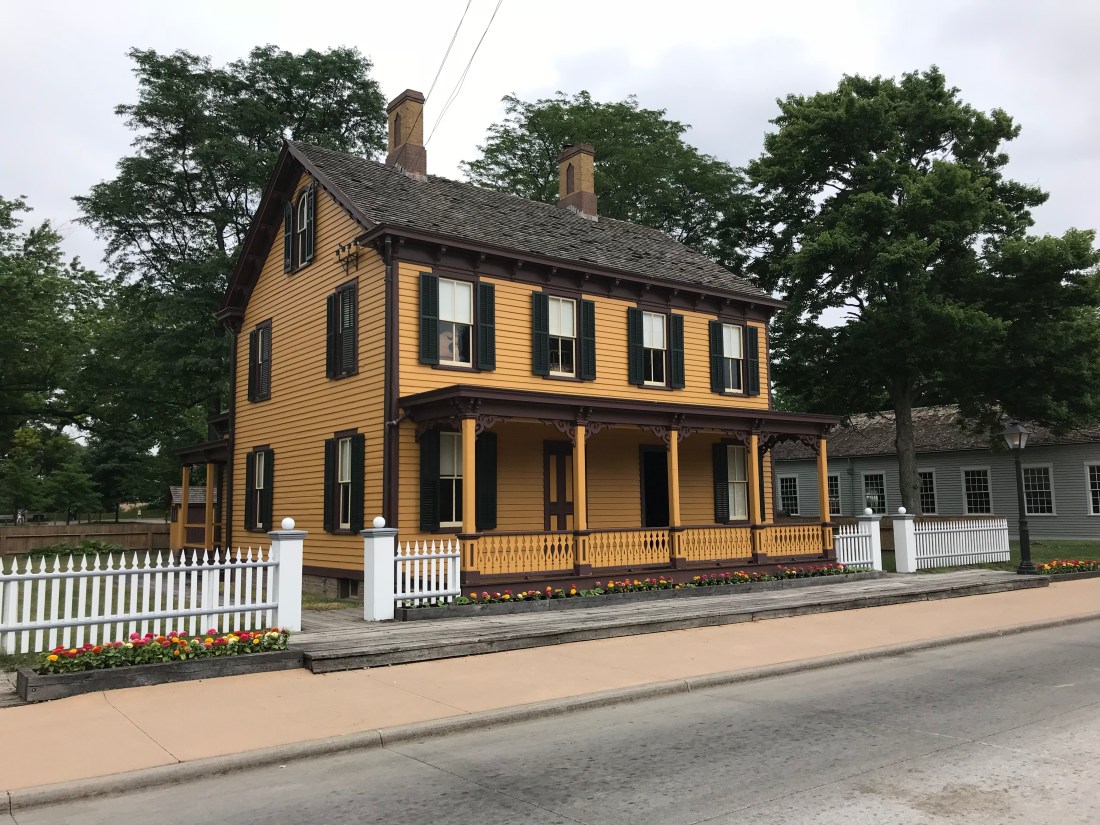
Houses like this set the atmosphere. A lot of these homes date back to the 1800’s.
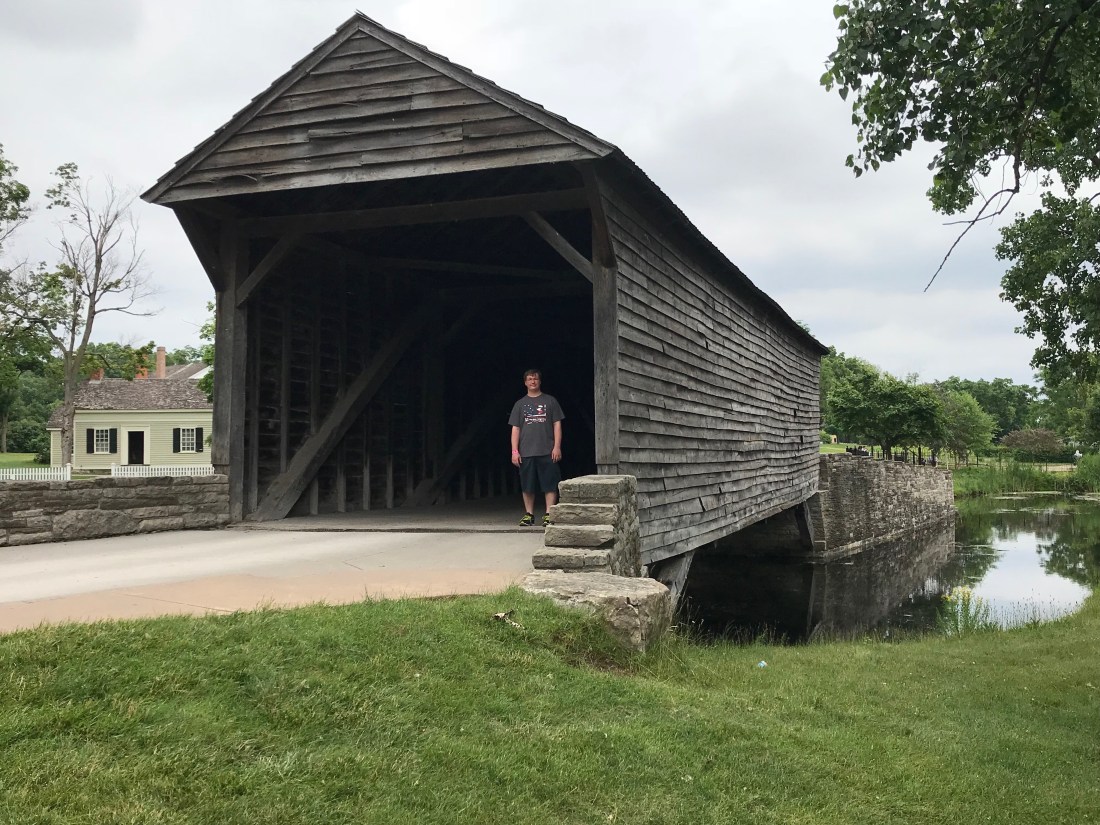 Here’s me at the toll bridge!
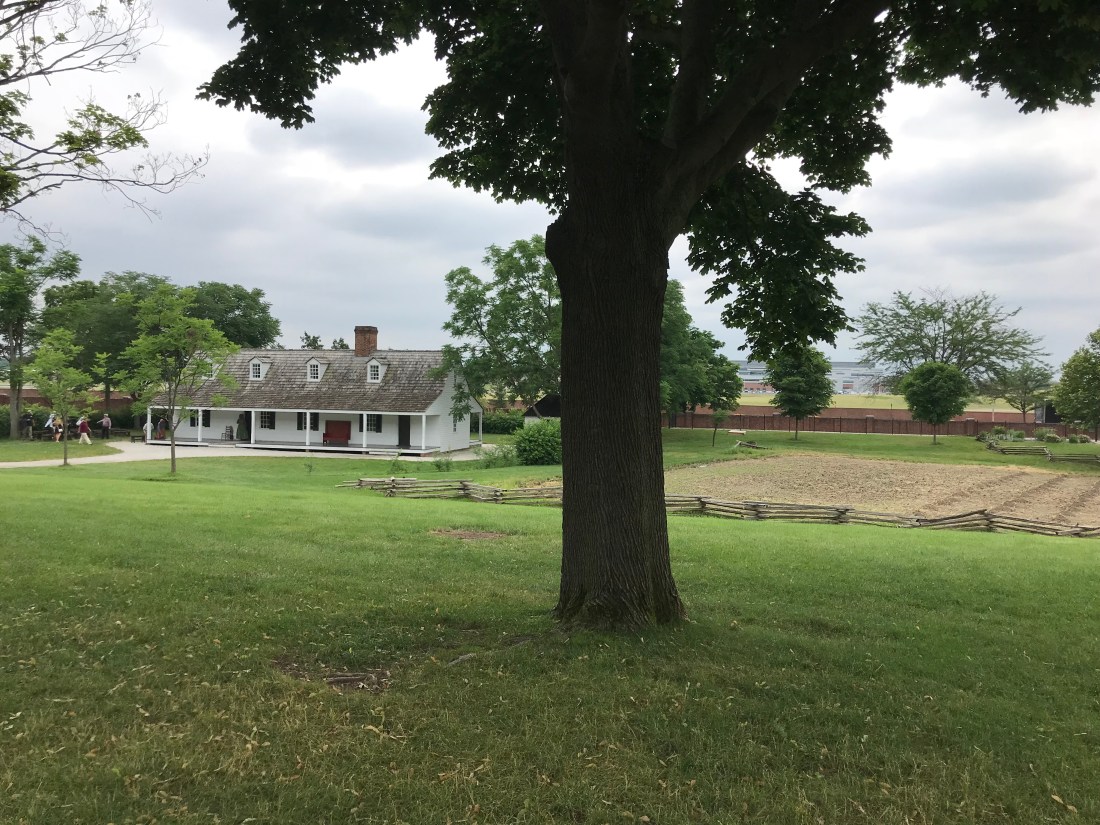 Across the way is a plantation house brought from Maryland. And whats growing in that field you might ask? Tobacco. As time was pressing on though, we couldn’t explore the inside of the house, along with others.
 This house was curious, as it was not only shipped from England, but it was entirely made out of stone, even the roof tiles (look closely)!
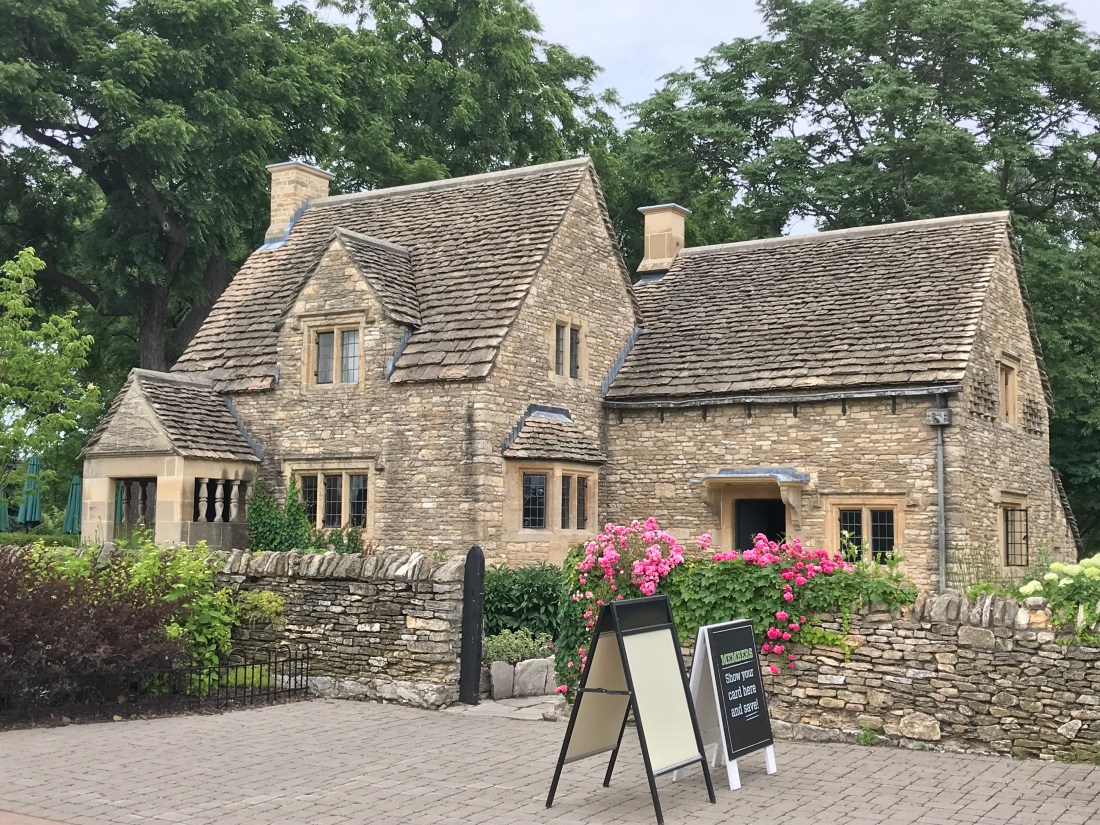
Why was this brought here? Because Henry Ford’s wife Clara loved the look of it. Whatever the wife says goes.
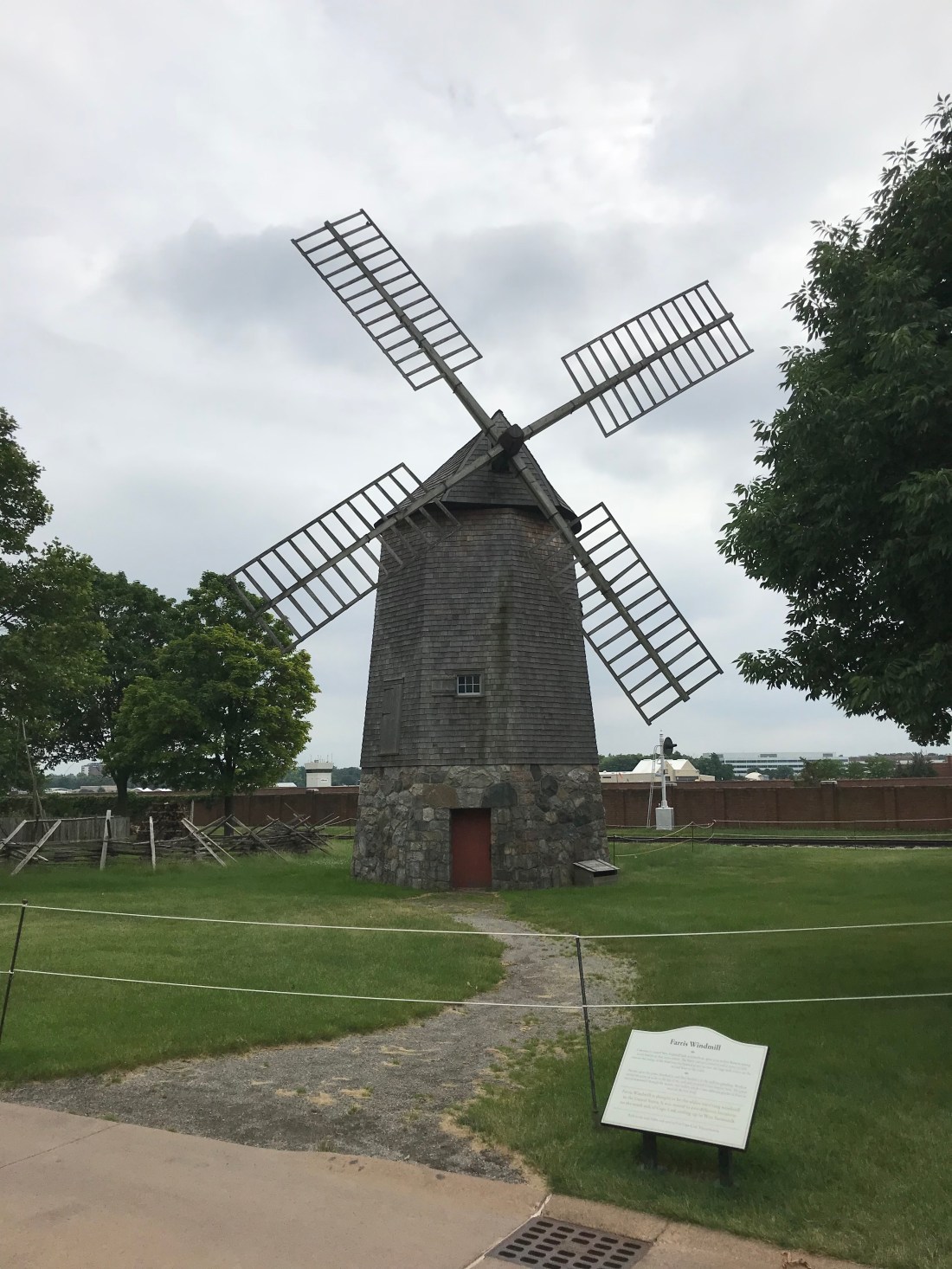 This windmill was brought in from Cape Cod in Massachusetts, and is said to be the oldest remaining windmill in America! So in other words, it would have been founded sometime after the Pilgrims landed in 1620.
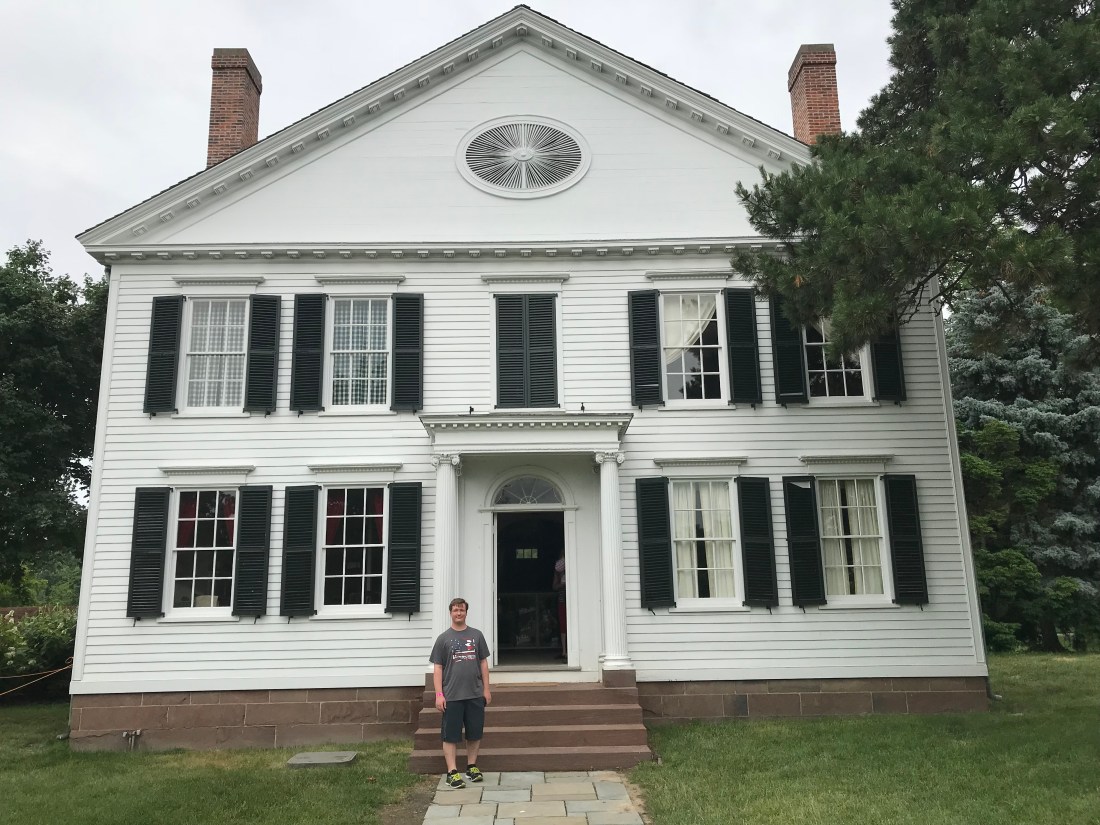
This house belonged to Noah Webster, who of course, created Webster’s Dictionary in 1828. It was apparently a hobby of his in retirement.
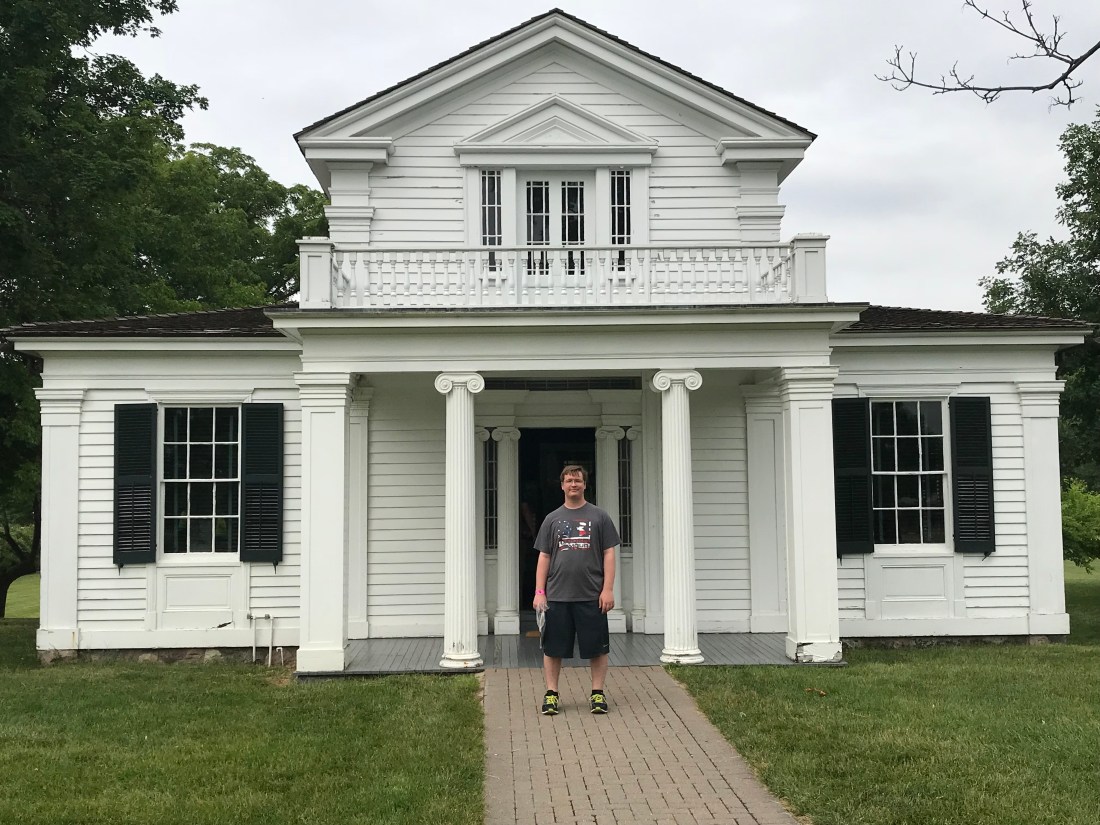 And this house belonged to Robert Frost, who stayed in nearby Ann Arbor for a time. I wonder what poems he wrote in here?

This garden is especially pretty, especially with the surrounding area, like in the background. Earlier we saw 1840’s dressed women harvesting crops here.
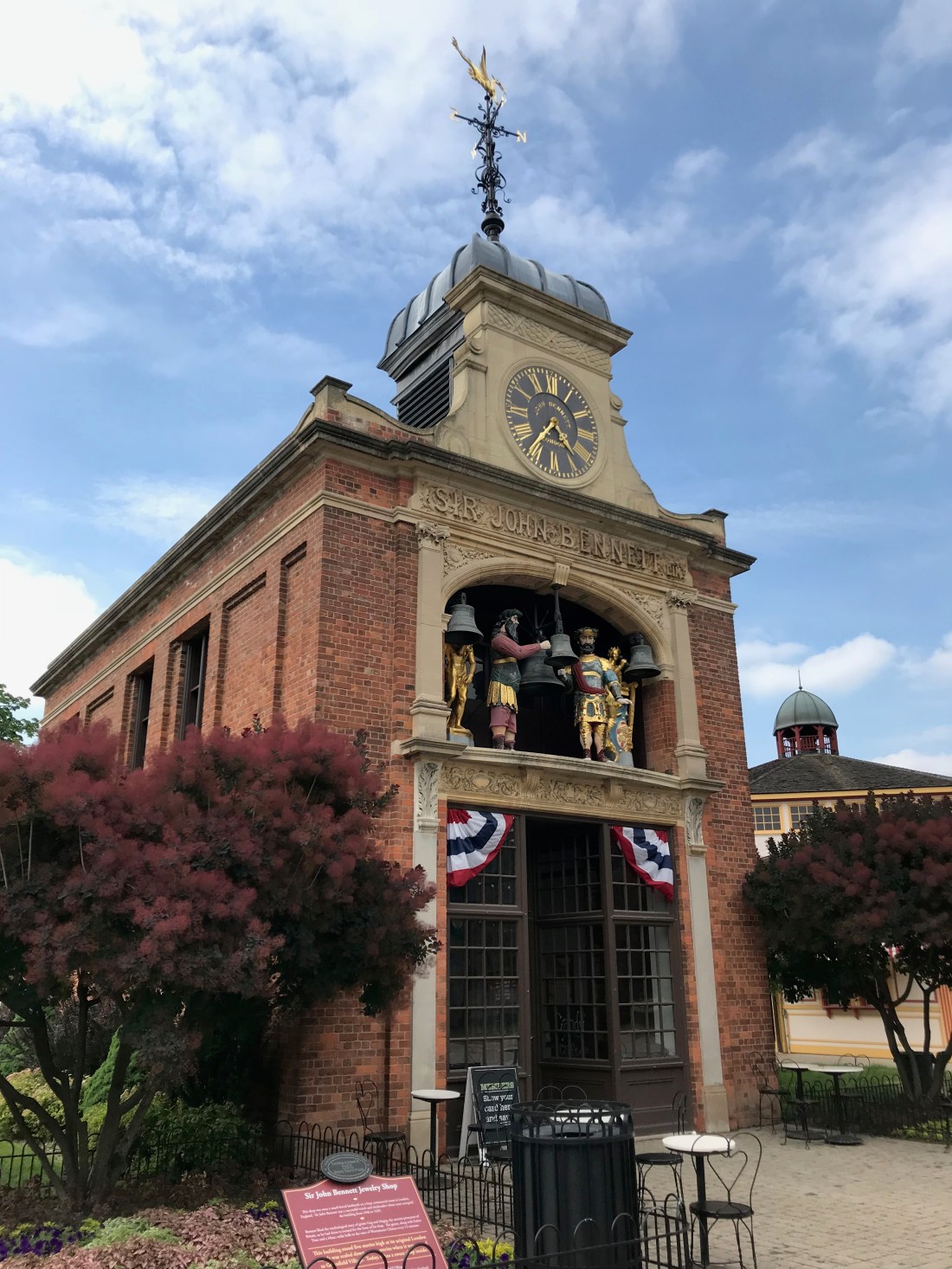
This original four story building was brought in from England and cut down to two floors. Why? Because apparently, there was a law in every town that said a building couldn’t be higher than the church. Yes, that was in fact a law.
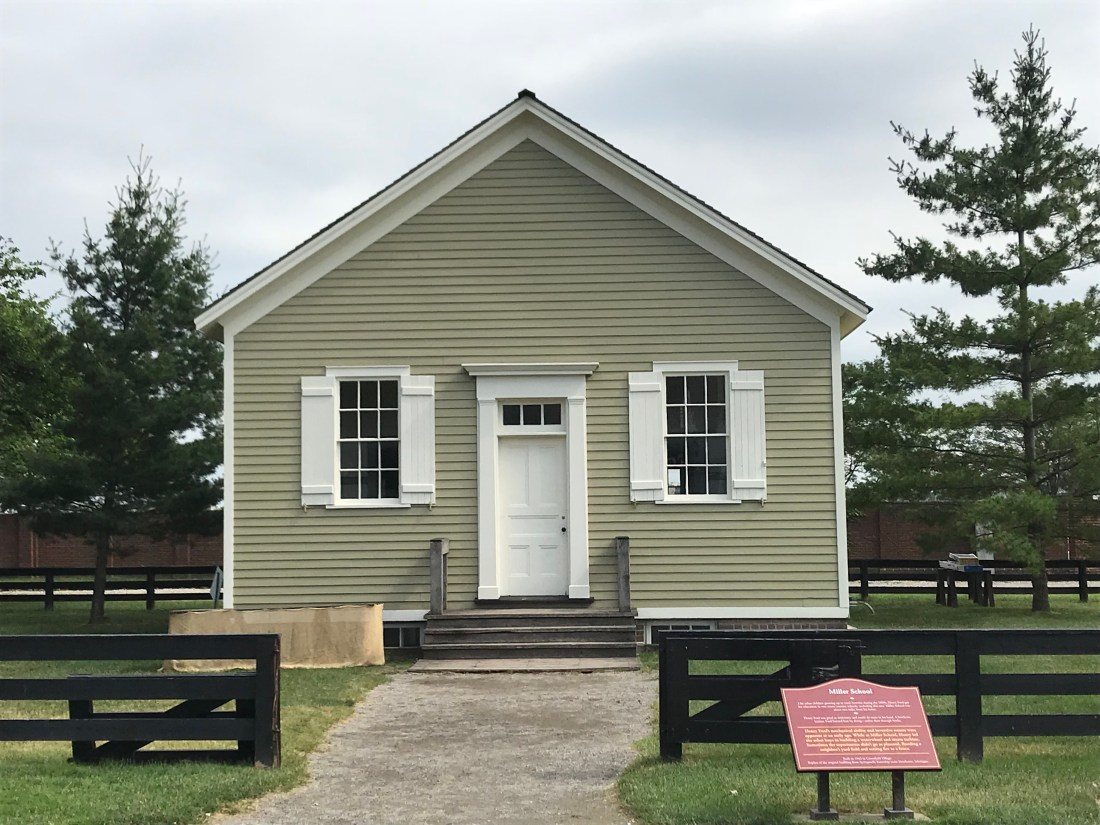
And this school was attended by Henry Ford! Many aspects from his childhood can be seen in this village.
(This next photo isn’t mine, the picture I took was lost somehow.)

This is the Henry Ford Birthplace, where Ford was born into a large family on the second floor. Little did anyone know what name he would make for himself!

One last pic by the bus!

This wagon worker’s shop was the repair place for just about anything made out of wood. It was certainly well enough equipped to do so. After that, we had to leave, as we had spent nearly 7 hours here, and it was 5:00 PM.
You know how little kids (or older adults) have their own little models of towns and whatever goes inside them? Greenfield Village is a perfect example of that, except it is a life-sized wonderland of a very wealthy billionaire, businessman, and entrepreneur. There’s nothing wrong with that of course, because this jewel of living history still shows us much of what it was like to live in times before us, in conditions that perhaps even our ancestors have lived in. Besides the thrills of riding a carousel, or taking the Model T Ford out for a spin, you learn a lot about what humankind has been, and will be capable of. The sky’s the limit, as is our imaginations.
Soon enough, departing from The Henry Ford and Detroit, we entered Ohio.

Entering Toledo, we passed by the Toledo Jeep plant (where perhaps my own 2012 Jeep Grand Cherokee was made), and then encountered the skyline of the city.
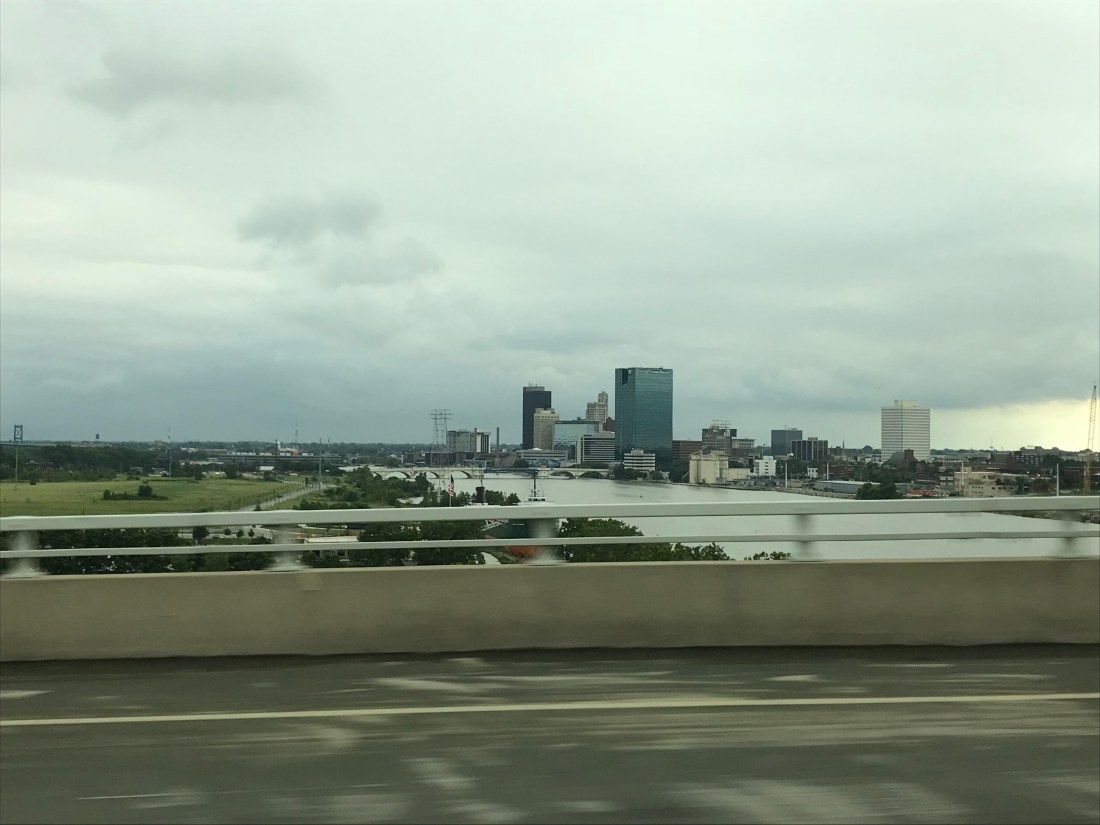
Now I can truthfully say, “Holy Toledo!”
We are currently in nearby Fremont, Ohio, where the Rutherford B. Hayes Presidential Center is located on the grounds of his estate, Spiegel Grove. Once we leave the hotel, we will visit there, and move further east to Cleveland. Time will tell what we see!
Have a good day everyone!
 Mark's Historical Roadtrips!