
Welcome everyone, to Day 16 of our trip! Sorry for the late publishing, we’ve been busy.
Yesterday we visited two southern presidents who let’s just say, were both famous, and infamous. I speak of course, of Zachary Taylor, and Andrew Jackson!
So, while we pack to hit the road again, here is yesterday’s account!
Zachary Taylor National Cemetery
It only took us 30 minutes for us to arrive on the outskirts of Louisville (we never actually entered deeper into the city).
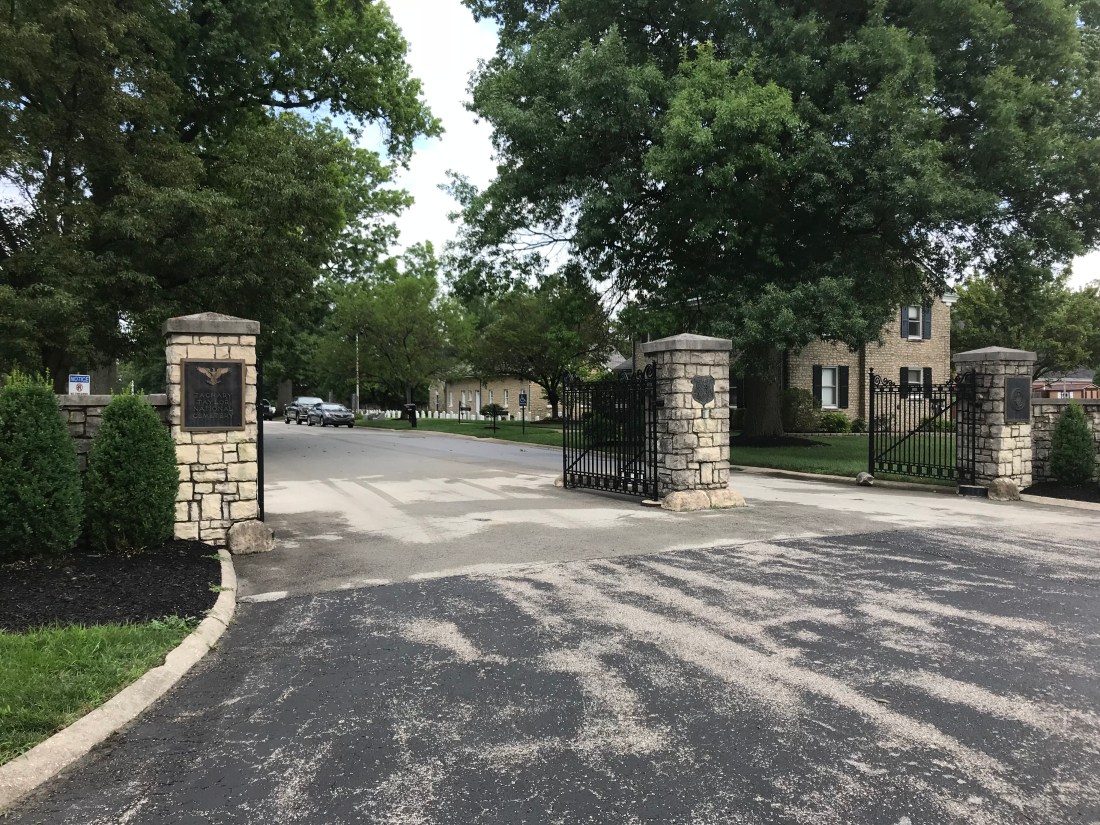
Why is it named the Zachary Taylor National Cemetery? Because Zachary Taylor is buried here. Good logic.
Actually, these grounds used to be part of Taylor’s estate of “Springfield”, with the family cemetery being located on the property. You’ll see in a moment.

A long field of white headstones stretched as far as the eye could see…
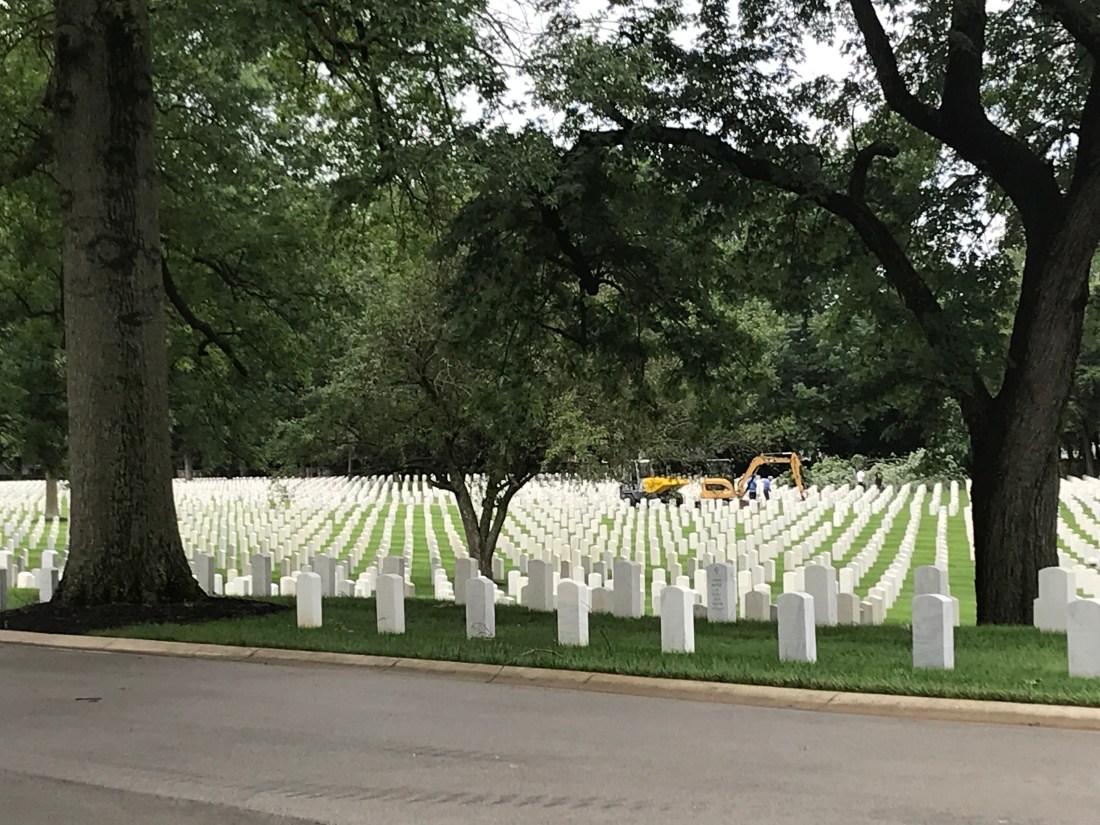
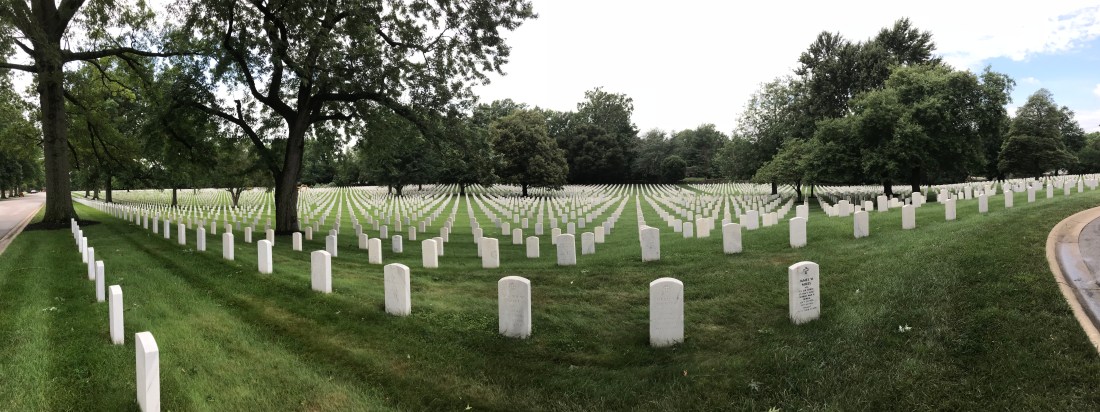
This is awfully reminiscent of Arlington National Cemetery isn’t it? As a matter of fact, veterans from every war in the history of the U.S. (except for the Revolutionary War) are buried here!
Still… the staggering emotion of all those who gave their lives was of course, a sobering fact to the realities of war and the cost of peace..
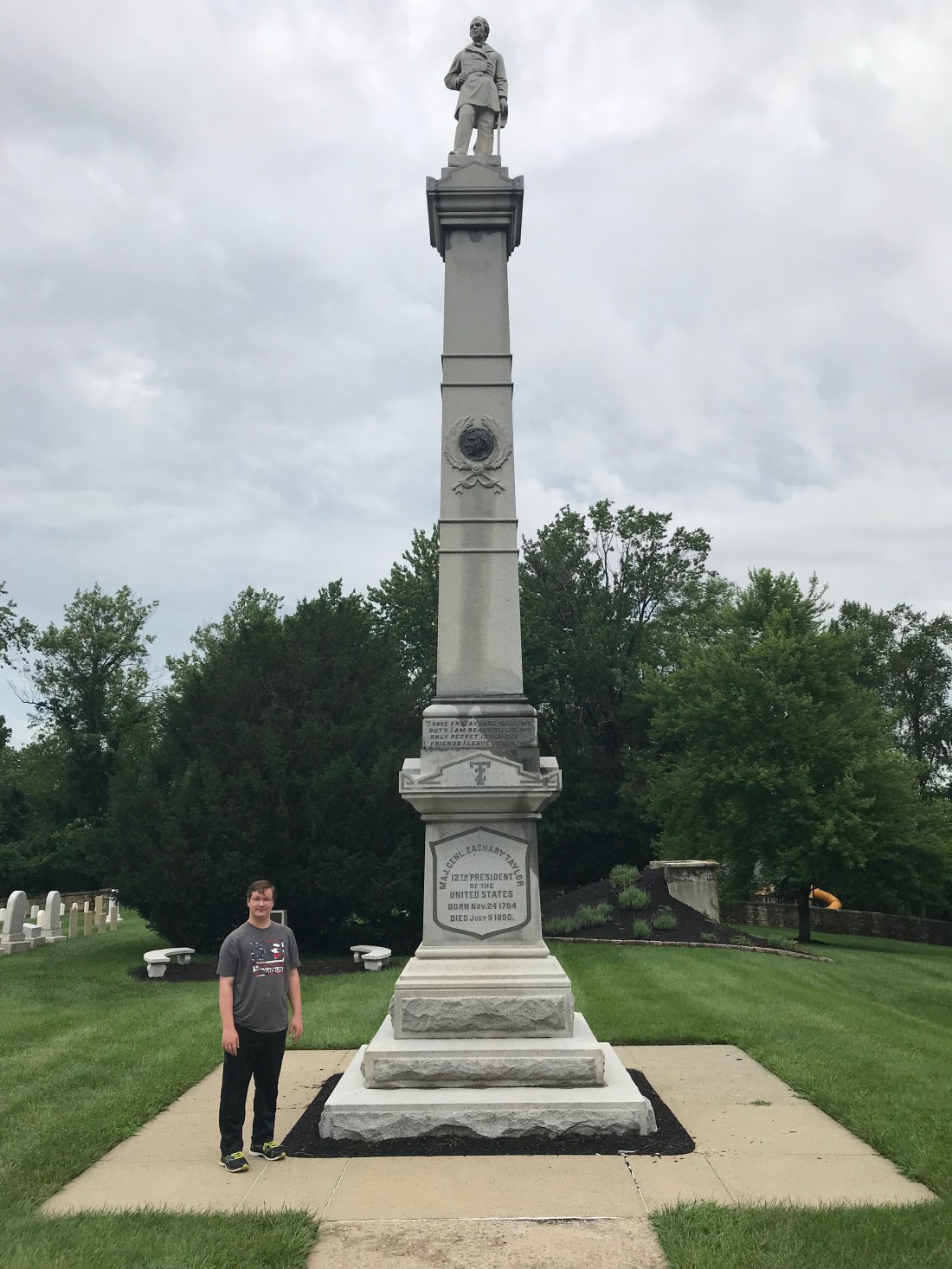 The Taylor plot is located straight down the central road towards the back. This 50 ft memorial was erected to commemorate General Taylor.

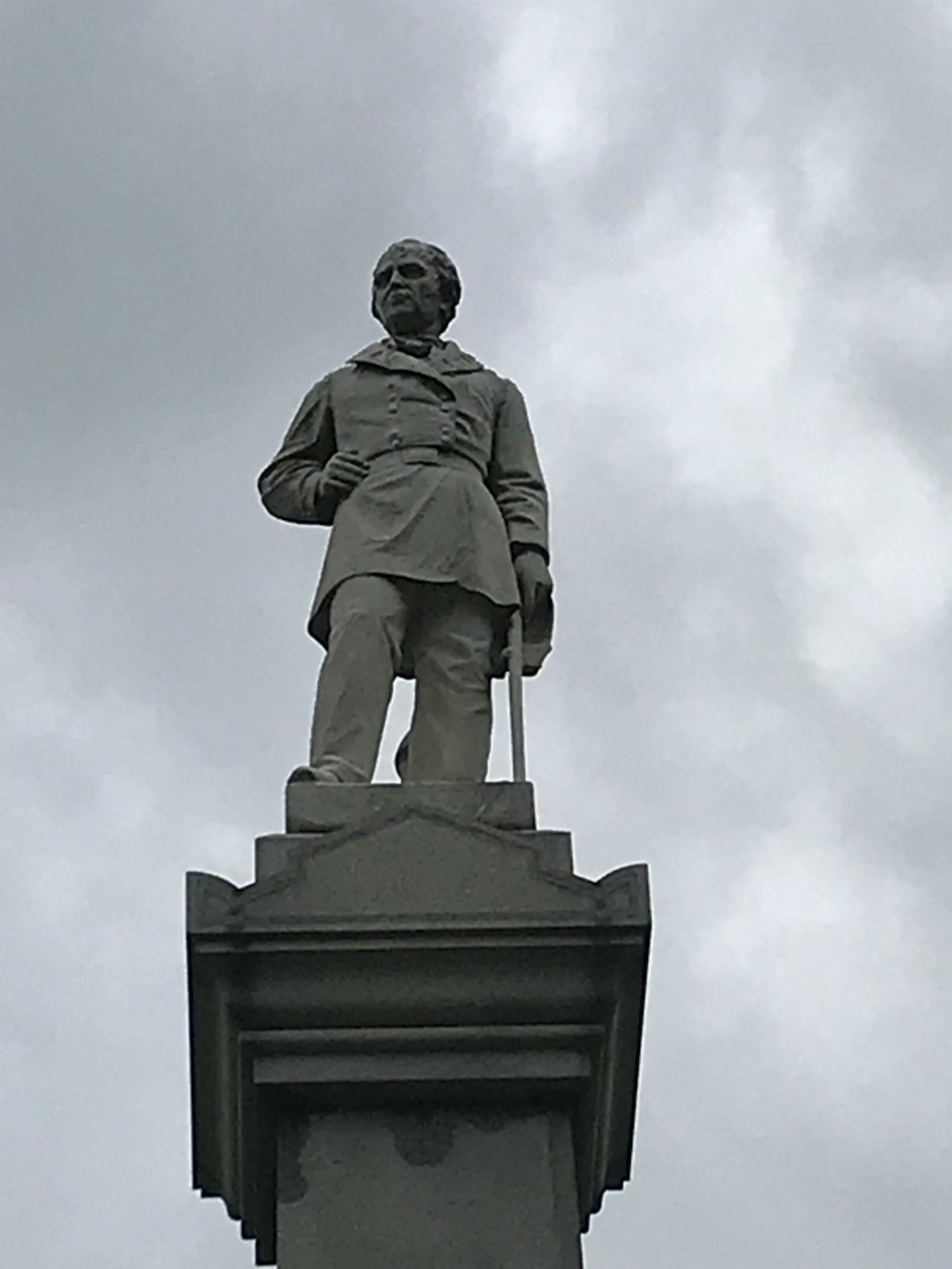 Sadly, Taylor is yet another president who died while in office. As of this moment, out of the eight that have died prematurely, we have seen seven of their gravesites (Franklin D. Roosevelt being the exception).
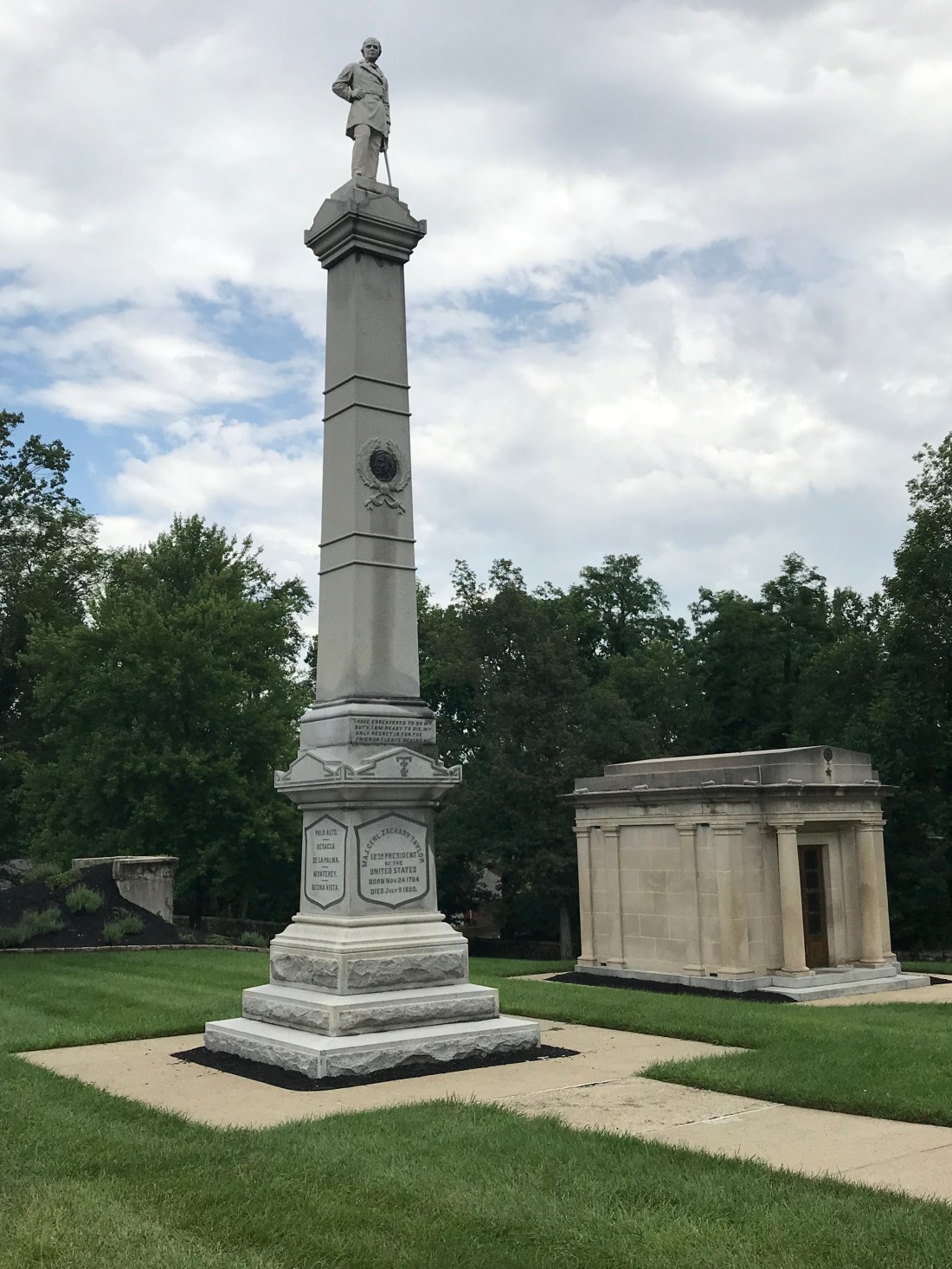 And there is the crypt itself…
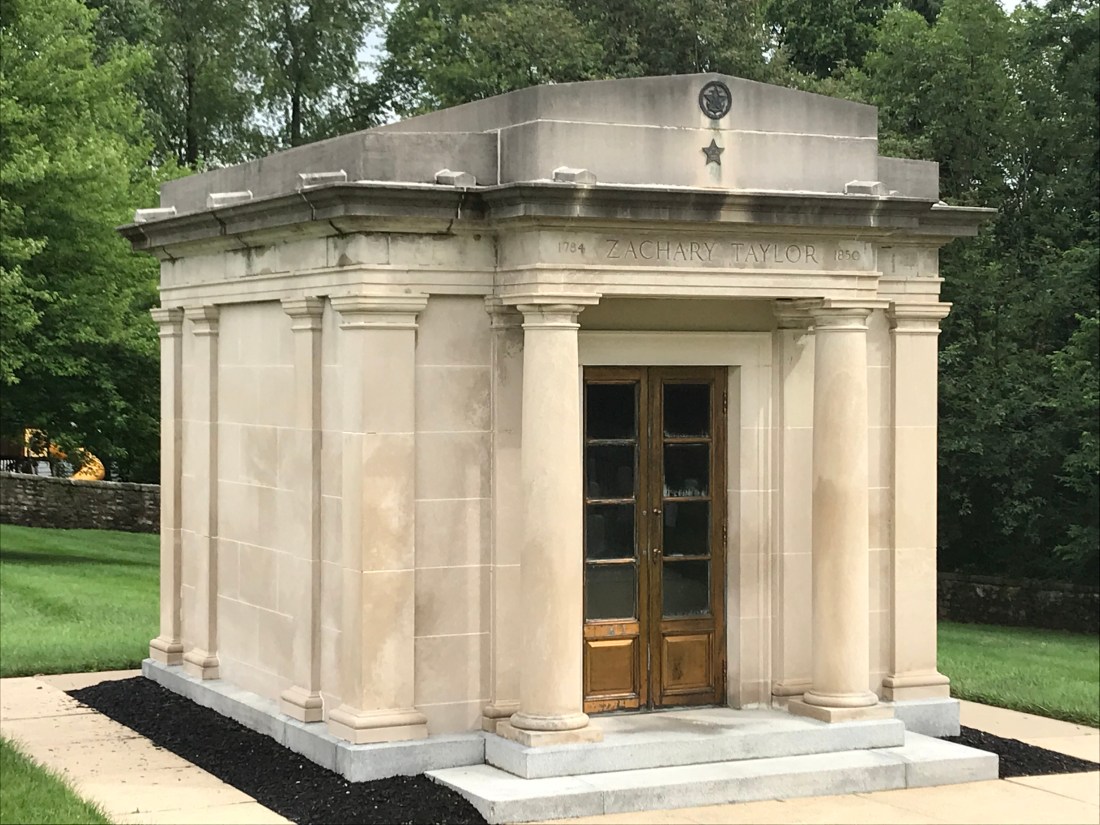
 Kind of looks like something from Texas does it?
I’m not sure if it’s a coincidence, but Taylor’s service to protect the Texas border from Mexican troops during the Mexican-American War (particularly at the Battle of Palo Alto) might have had something to do with it. It certainly helped to cement his reputation with the American populace.
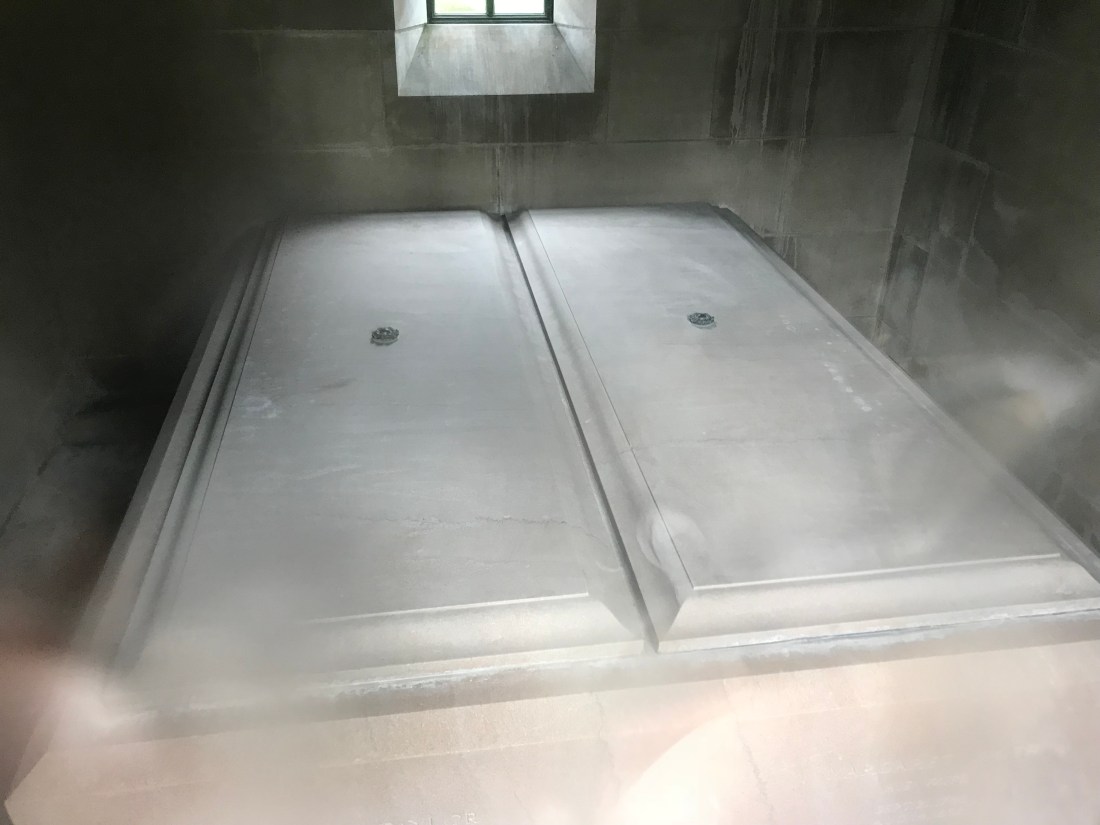 And here’s inside! That is him on the left, his wife Margaret is on the right.
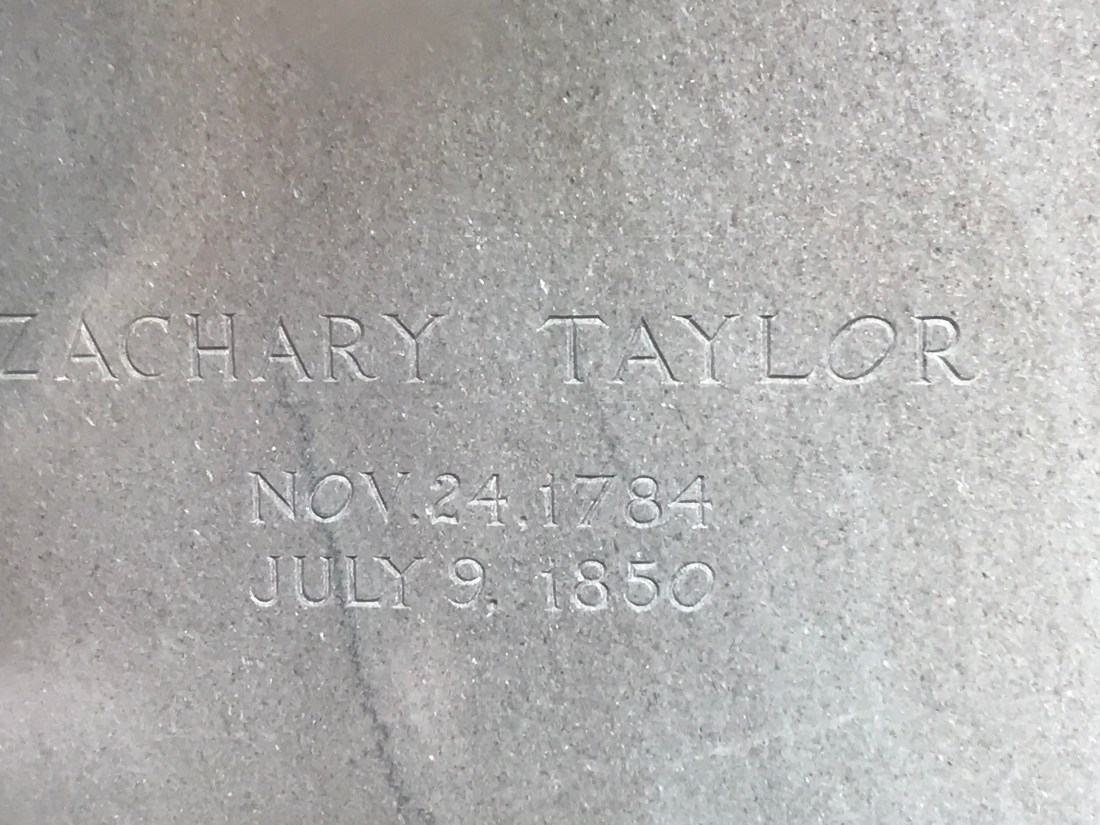 On July 4th, 1850, Taylor ate copious amounts of raw cherries and an ice cold pitcher of milk during celebrations at the Washington Monument. He died five days later. The cause of his death is still debated to this day, with some in the past even suggesting the possibility of poisoning. His body was exhumed in the 1990’s by medical professionals, who were able to rule out the possibility of poisoning.
 Behind the tomb was the original vault where he was buried. Per request, it was moved to the new one.
 And here is where the original family plot is situated.
So basically, thats the cemetery! its only a couple of acres, but while we’re here, let’s see his original Springfield House!
We took a tour of the neighborhood behind, and found it!
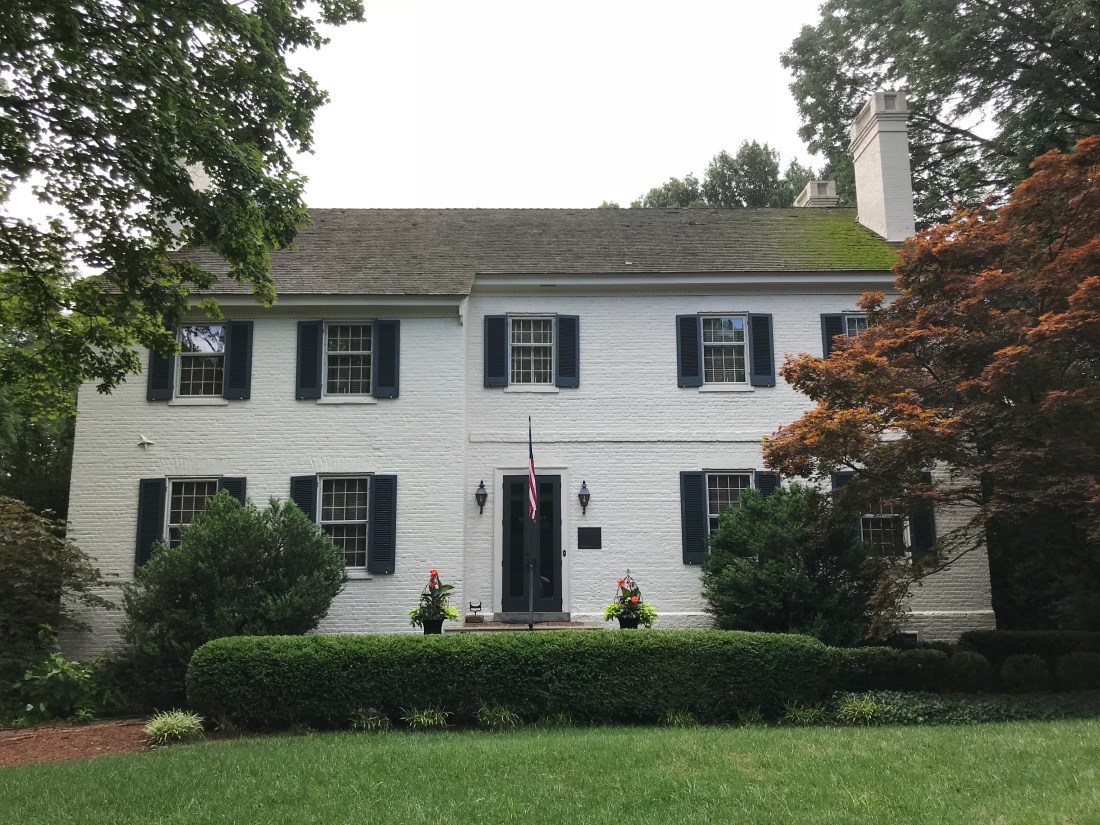

The house is a very nice one, and as you can see, the Taylor’s have had quite a prominent history, particularly during the Civil War. One of Taylor’s grandsons died in the Battle of Chickamauga. Unfortunately, the home is a private residence. Taylor is perhaps the only president with no actual tourable historic site to his name, which is a great shame…
Done in Louisville, we then continued south into Nashville, where we returned to Central Time Zone!
With an extra hour on our hands, we decided to tackle The Hermitage, the plantation home of Andrew Jackson, located near Nashville!
Andrew Jackson’s Hermitage

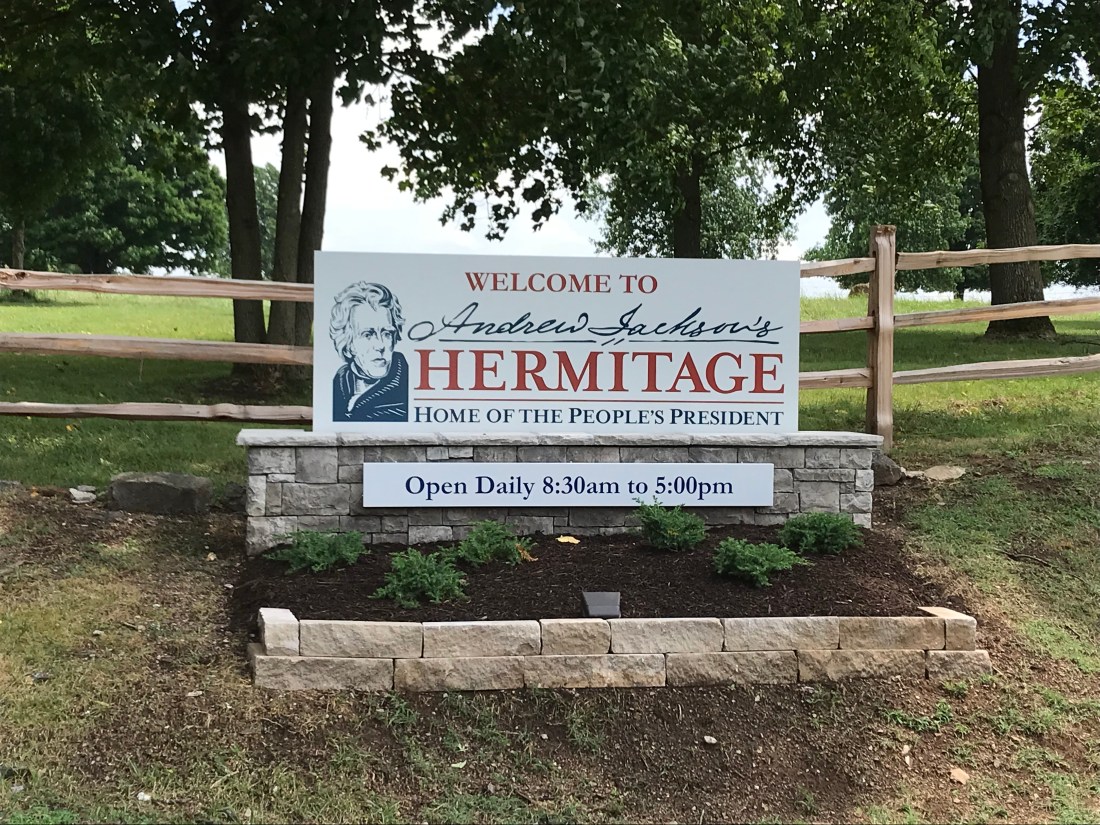 And here we are!

I decided to make history by putting myself on the $20 dollar bill! Unfortunately, they kept the design of Jackson, despite him being a major opponent of the bank system.
First, we toured the small museum in the visitor center, after a small video.
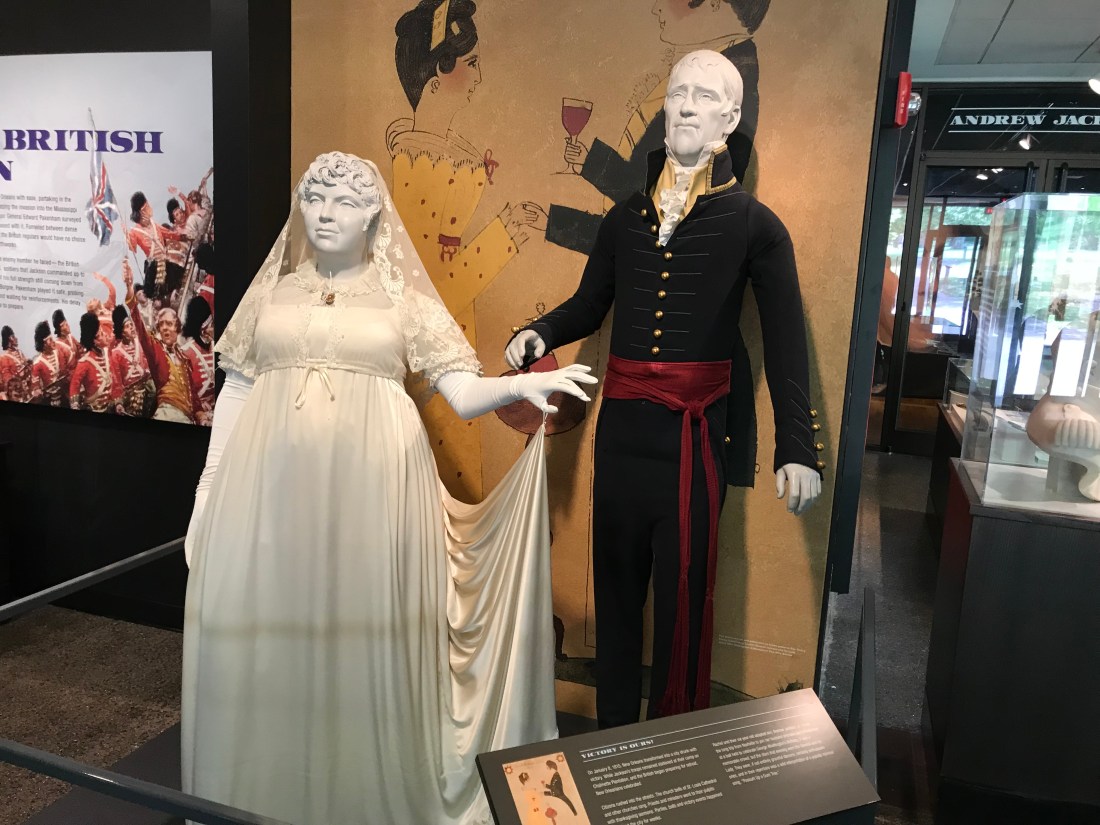
Theres’s Jackson and his bride Rachael. Rachael, being first married to Lewis Robards (in a very separated marriage), failed to divorce him before marrying Jackson. Jackson’s enemies railed accusations of bigamy against the couple, which would plague them for decades afterwards.
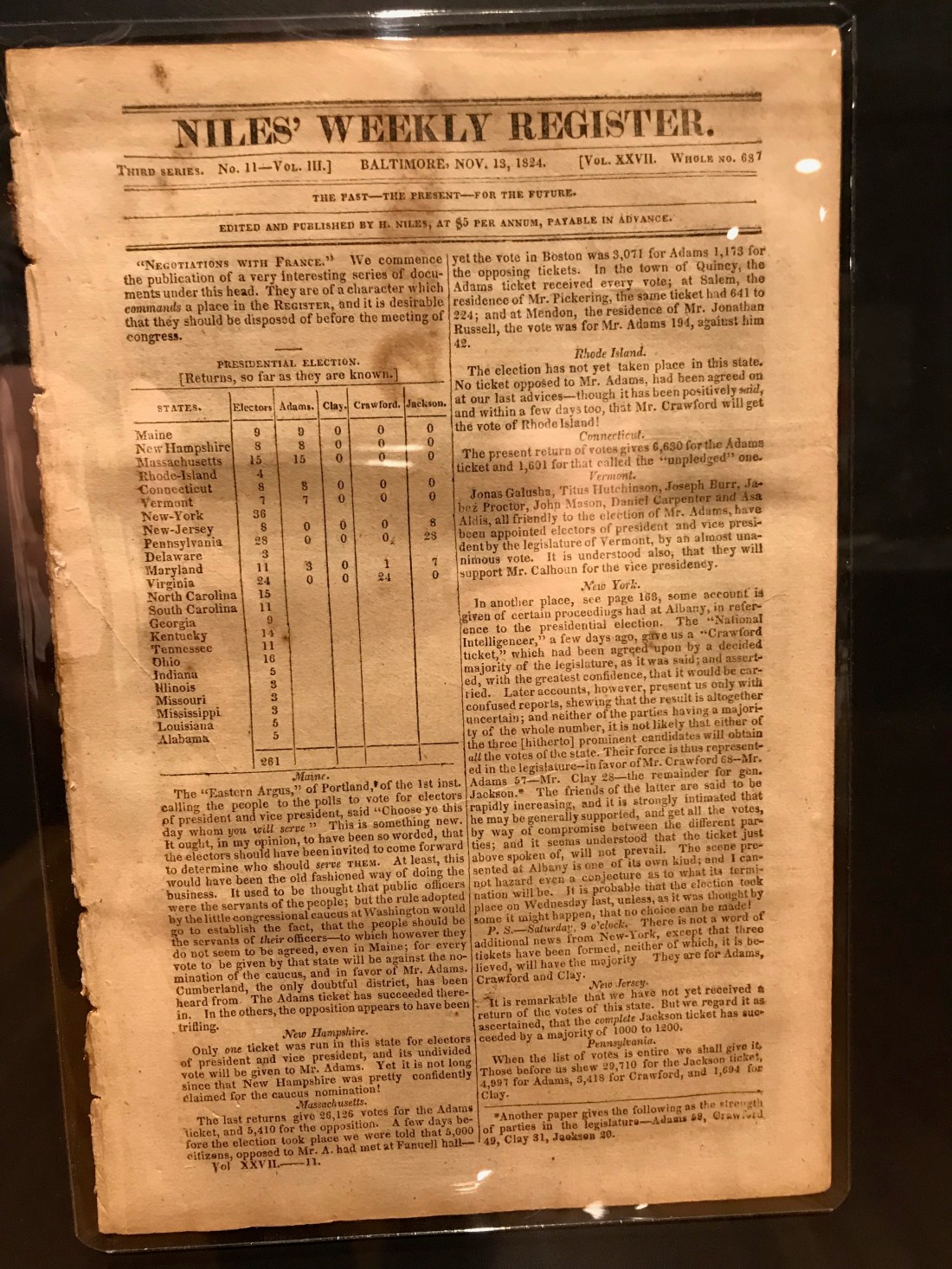
The election of 1824 was one of the most controversial and bitter elections in U.S. History. Four candidates ran against each other in order to attain the White House. There was Andrew Jackson, John Quincy Adams (son of 2nd President and founding father John Adams), Henry Clay, and William Crawford.
No one won the majority needed to win, so the two with the highest number of votes, Jackson and Adams, went to the House of Representatives.
Henry Clay then offered Adams a deal… if Adams made him Secretary of State, Clay would give Adams his electoral votes. And thus, the “Corrupt Bargain” was sealed, and Adams became our sixth president.
Naturally, that didn’t settle well with Jackson, and in the four following years, mudslinging between both Adams and Jackson ensued, creating one of the nastiest political confrontations in history.
 Among the insults exchanged was the mention of Rachael’s affair. Even though General Jackson won the election, Rachael was heartbroken, and only three weeks before the inauguration, she died. It shook “Old Hickory” to his core.
To put it simply, Jackson didn’t mind insults to himself, as he received them often. But if his wife’s name or memory was insulted, Jackson furiously would never forgive that man, and bear those grudges for decades.
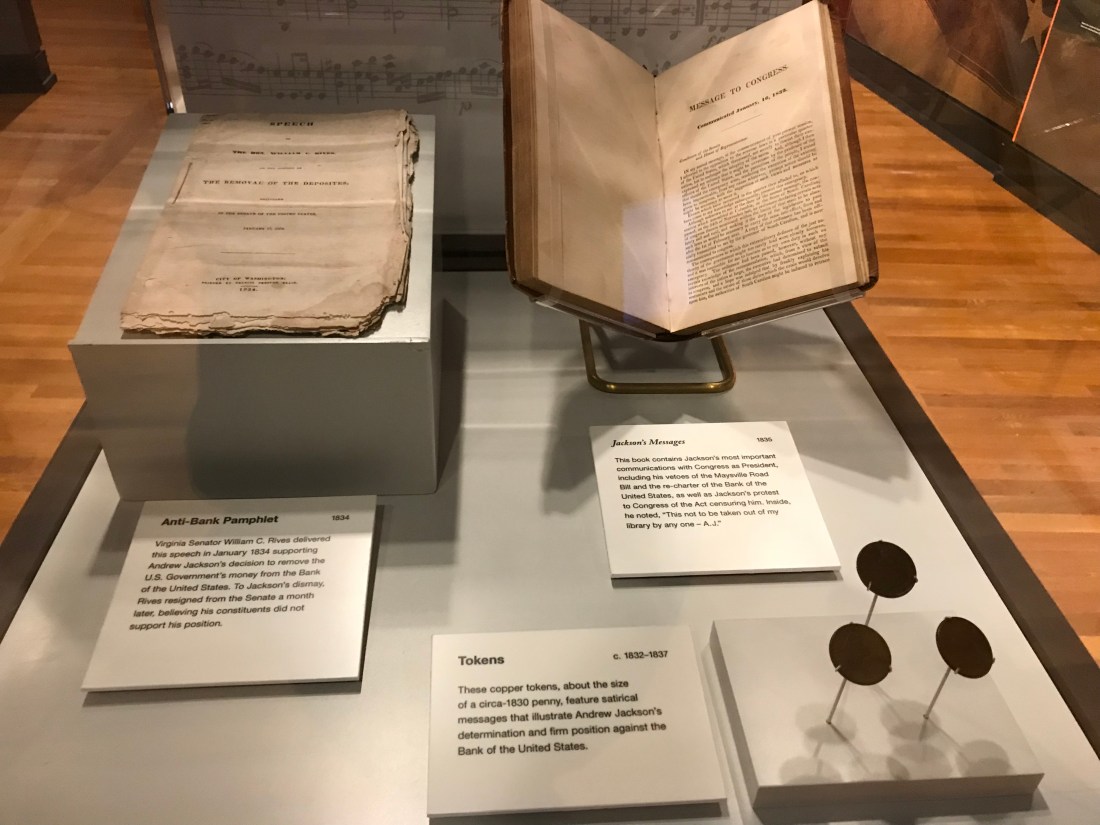
Jackson was enemy #1 of the National Bank, which he thought benefited the wealthy aristocrats instead of the people. He did everything he could to end the national bank, and end it he did, by secretly funneling its contents to state banks. Unfortunately, with the bank’s collapse it brought about the Economic Panic of 1837.
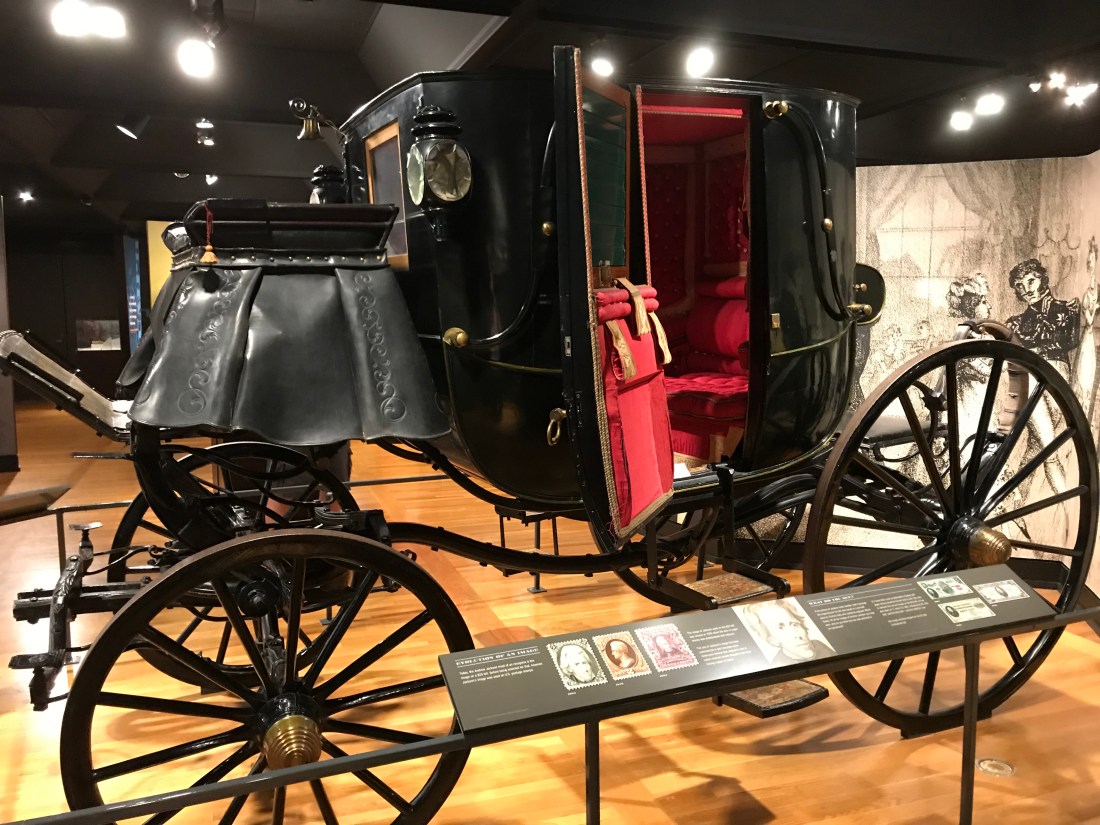 Back then, carriages were the Ferrari’s of the 1800’s. Jackson had a nifty one right here.
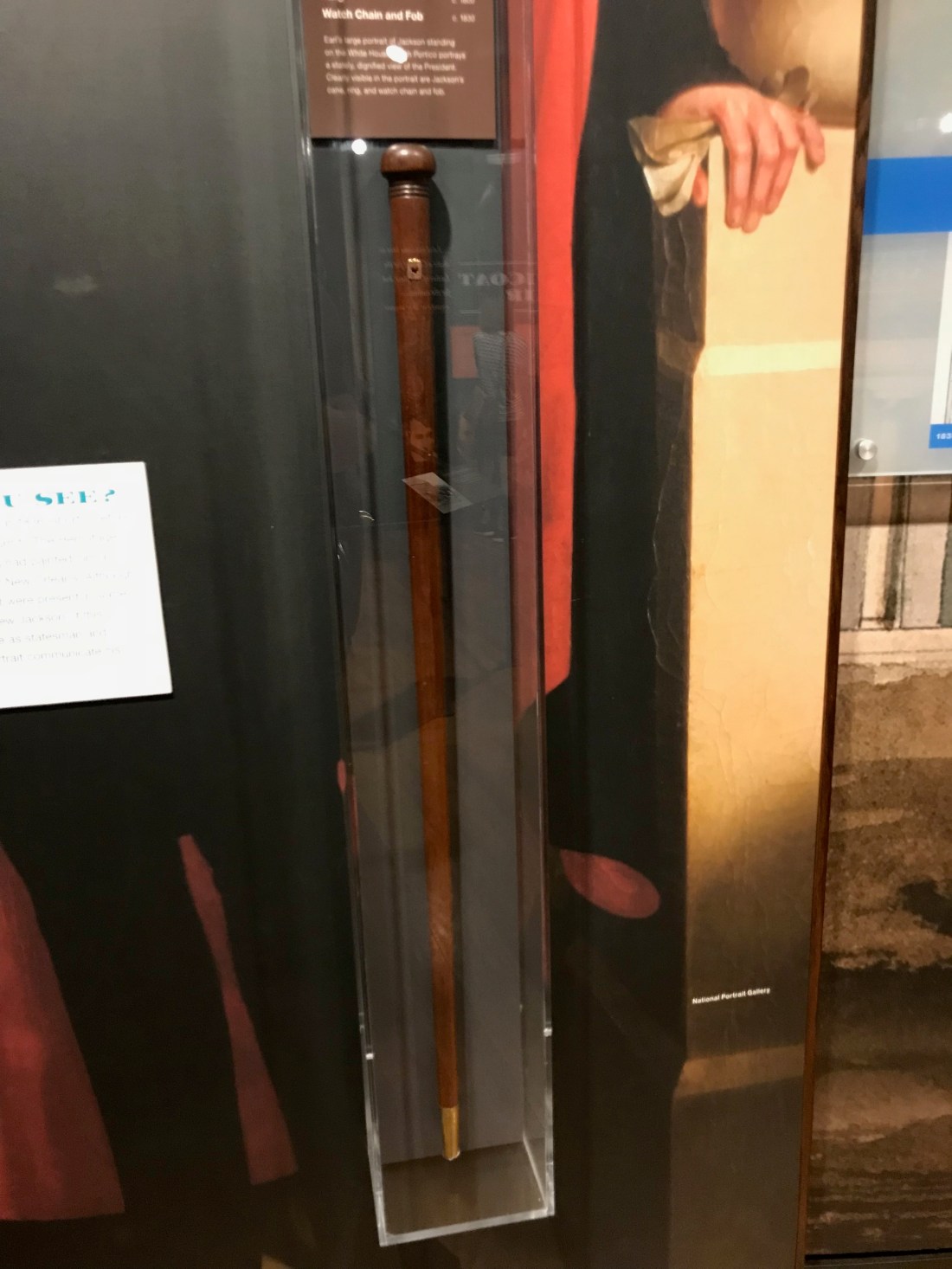 Jackson’s cane was infamous. Once, while exiting the Capitol, a man ran up with dual pistols to shoot at the president. With both guns misfiring, Jackson chased after the man and nearly beat him to a pulp with his cane, before being pried off by onlookers.
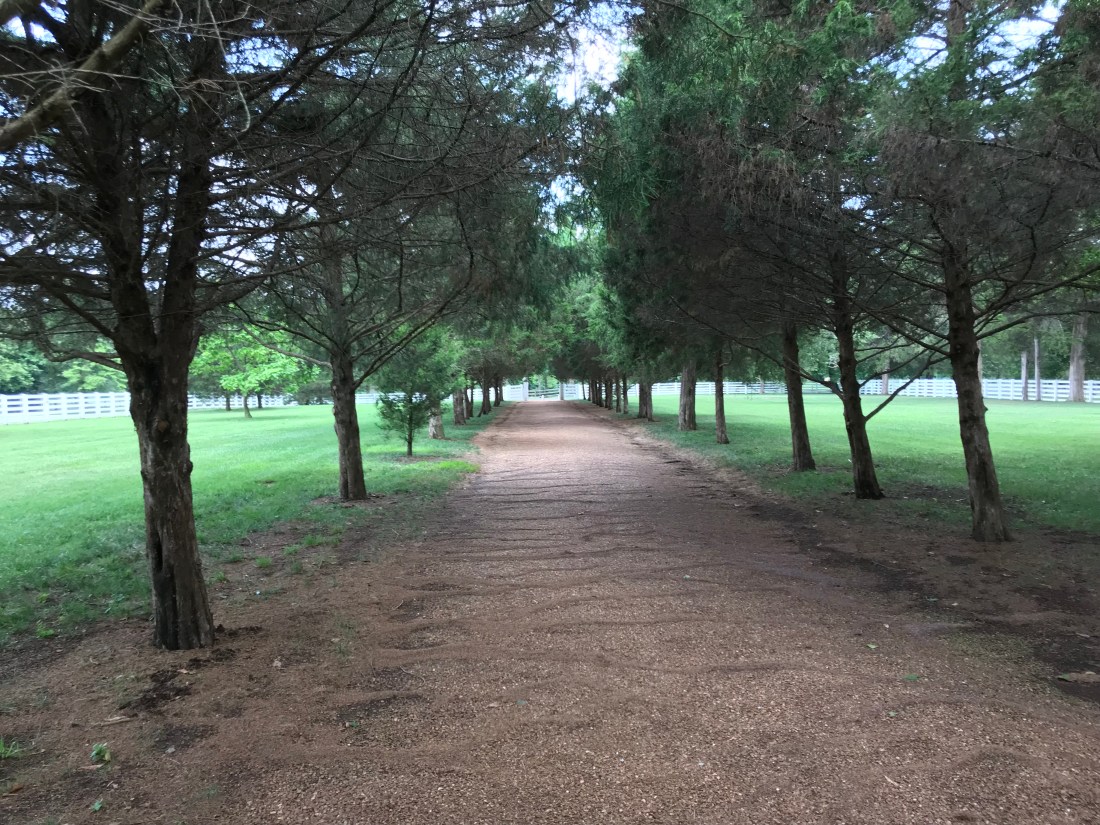
Anyways, onto the grounds!
Surrounding us were a number of cedars, and also Tennessee’s state tree, “Tulip Poplars”.
 And that’s looking at the front of the mansion. This two-floor house is massive.
 The mansion is very typical of a southern plantation house, yet has that “Old Hickory” feel to it. It’s housed guests such as Martin Van Buren, James K. Polk, and even Sam Houston, a prominent Texan founder and leader (Houston hailed from Tennessee before traveling to Texas).

Unfortunately, the mansion tours didn’t allow photography. But the inside contained very majestic wallpaper and decor, including rooms such as the parlor (where parties and receptions were held), the dining room, the library, the guest bedrooms, and the master bedroom (where General Jackson passed away in 1845).
One thing I was fascinated to learn was that anyone could come to the Hermitage and rest there, in a capacity almost similar to a “Bed and Breakfast”. They could even have a meal with Jackson himself! Those times simply don’t exist anymore…
Jackson preferred to be referred to as “General” rather than “President”, as he considered his victory at the Battle of New Orleans during the War of 1812 to be his most outstanding achievement, with his later presidency as a “reward” of that victory.

We came out the back entrance, and looked at the size of this place!
Those pillars are actually made of wood, painted to look like marble. It was a very effective deception.
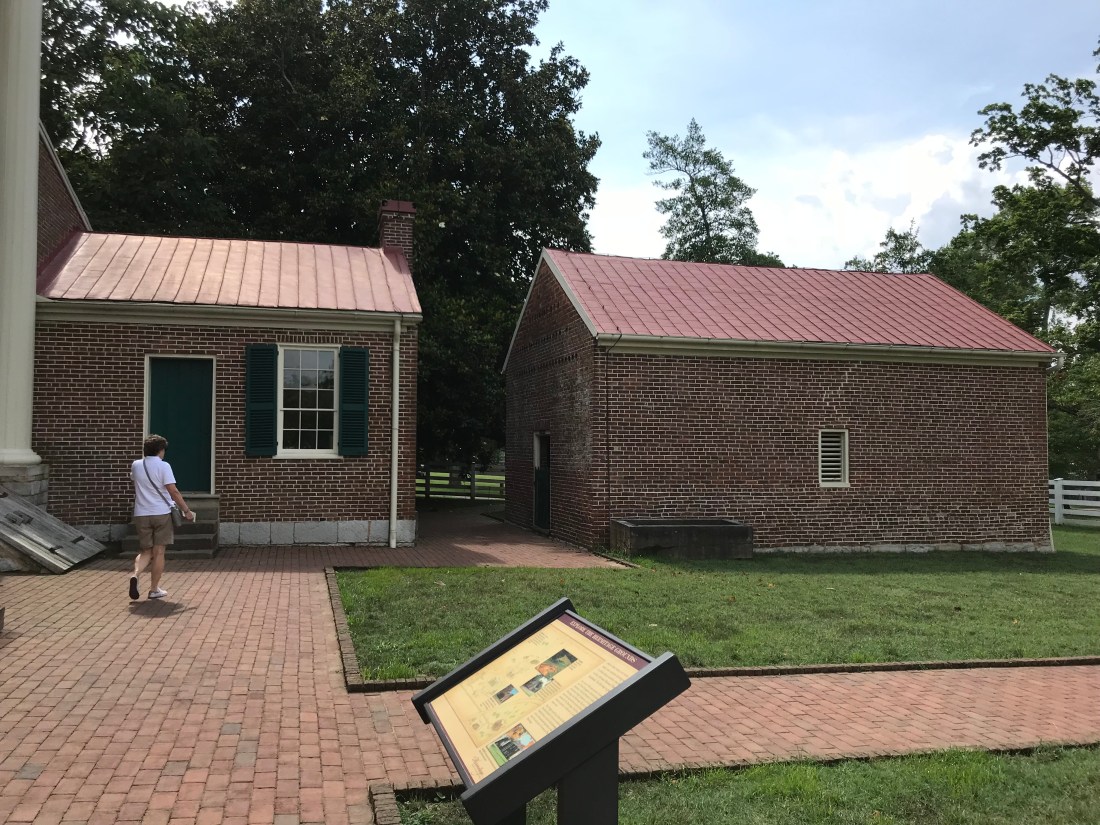 The courtyard here was a very happening place, as slaves and servants would rush here and there doing chores, or preparing food, or doing some other task to keep the farm booming. These two buildings are the kitchen and the smokehouse.
 Here’s the kitchen, run by Betty, one of Jackson’s 165 slaves, who would ensure that the food made here would be taken into the dining room in the mansion. Known for her sharp tongue, she was once punished severely by Jackson, by having one of his overseers whip her publicly.
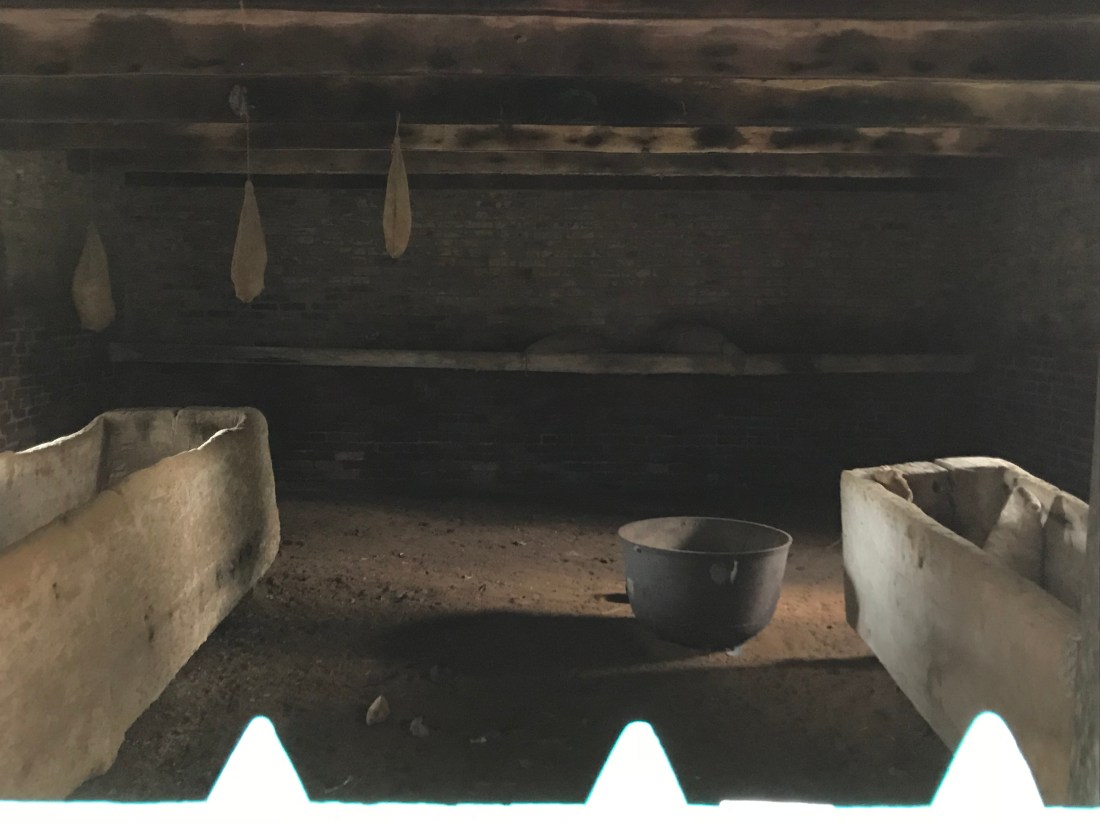 And naturally, the smokehouse was where the meat of pigs, chickens, cows and others were prepared to cook and serve at dinner. This place was appalling in it’s day I bet.

And for those muddy days after a good rain, slaves had to scrape their boots of mud on this, and then head inside.
 The grounds were very expansive, and beautiful… and hot. We were practically “swimming in sweat”.
The cabin you see above belonged to “Uncle Alfred”, perhaps Jackson’s most trusted slave. Alfred lived here all his life, even after Jackson died. When the Hermitage became a tourist site, he was its very first “tour guide”, having had first hand experience of the slavery here, and service to Jackson. He died in 1901 at the very venerable age of 98, which in those times, was unheard of.

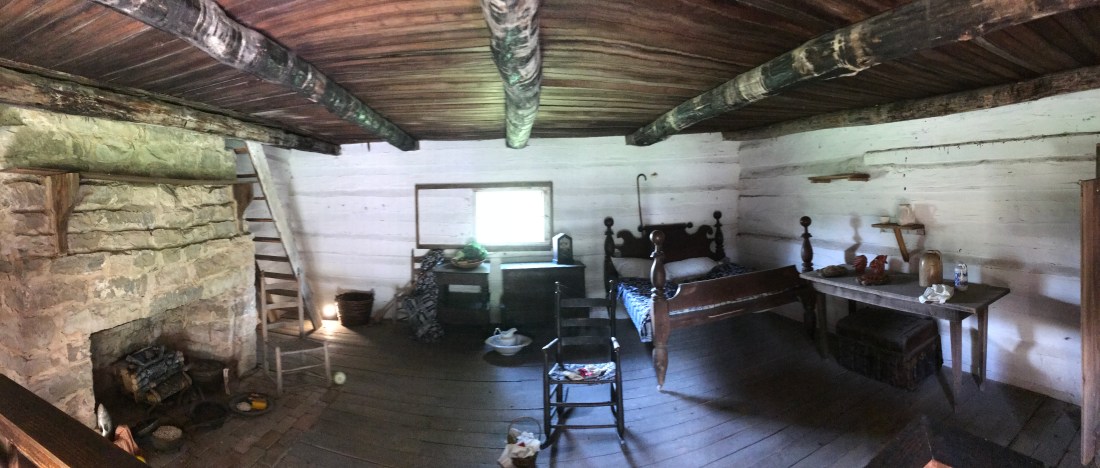
Here’s looking inside one of the slave cabins.
There were many cabins like this, but many were torn down due to poor conditions. Though Jackson was said to have treated his slaves “well”, he never saw slavery as a moral issue, in contrast to other earlier presidents who did own slaves.
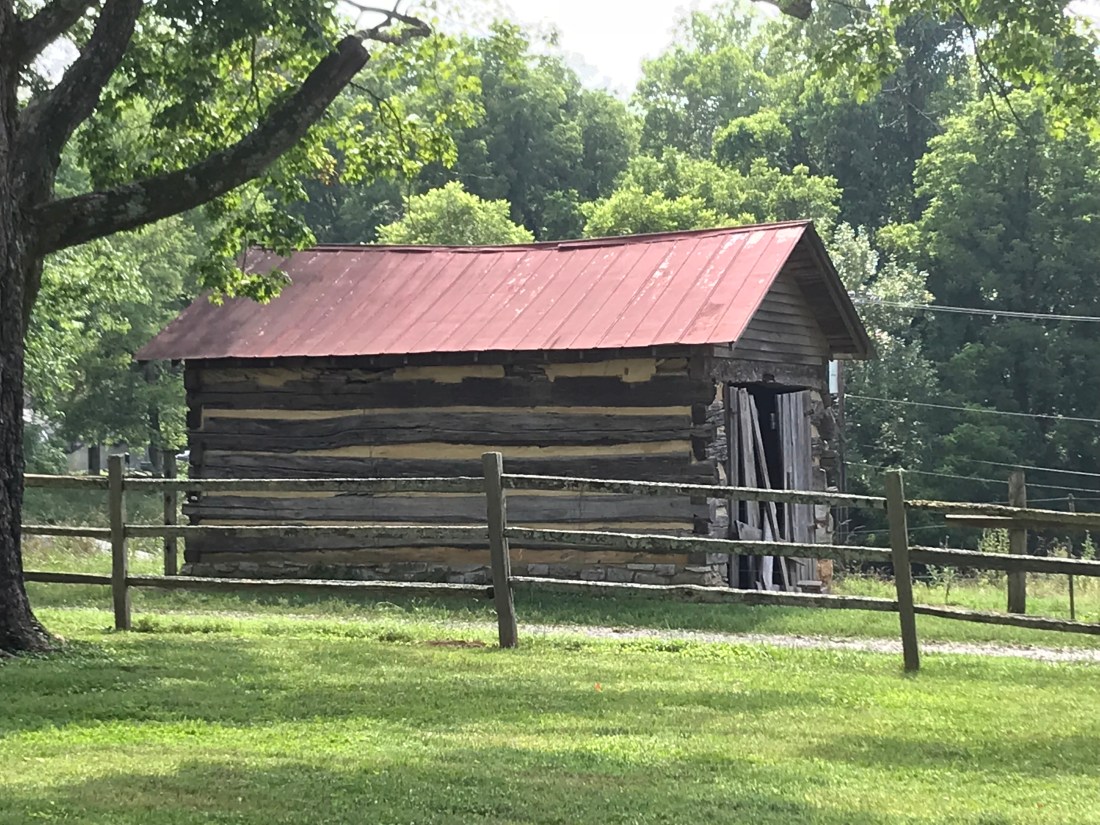
This was part of the stables, where Jackson kept a couple of his trusty steeds.

The “Spring House” was constructed over a natural spring, hence the name. It was where water was gathered, and also served as a good place for early refrigeration.

The spring runs further into the woods, alongside a nature trail…
 I know I’ve used the word several times before, but these woods are gorgeous! Birds chirping, cool breezes underneath the canopy, and a natural stream running by. I can see why Jackson loved this area. Apparently, Native Americans lived here too for a time, hence the number of relics found in archaeological pursuits.
Although it does bear a reminder of Jackson’s forcible removal of Native-americans from their native soil, (through the Indian Removal Act) forcing many tribes to settle in reservations to the west… thousands died along the way on the “Trail of Tears… it was perhaps the darkest moment of Jackson’s presidency, even more so than his stance on slavery.
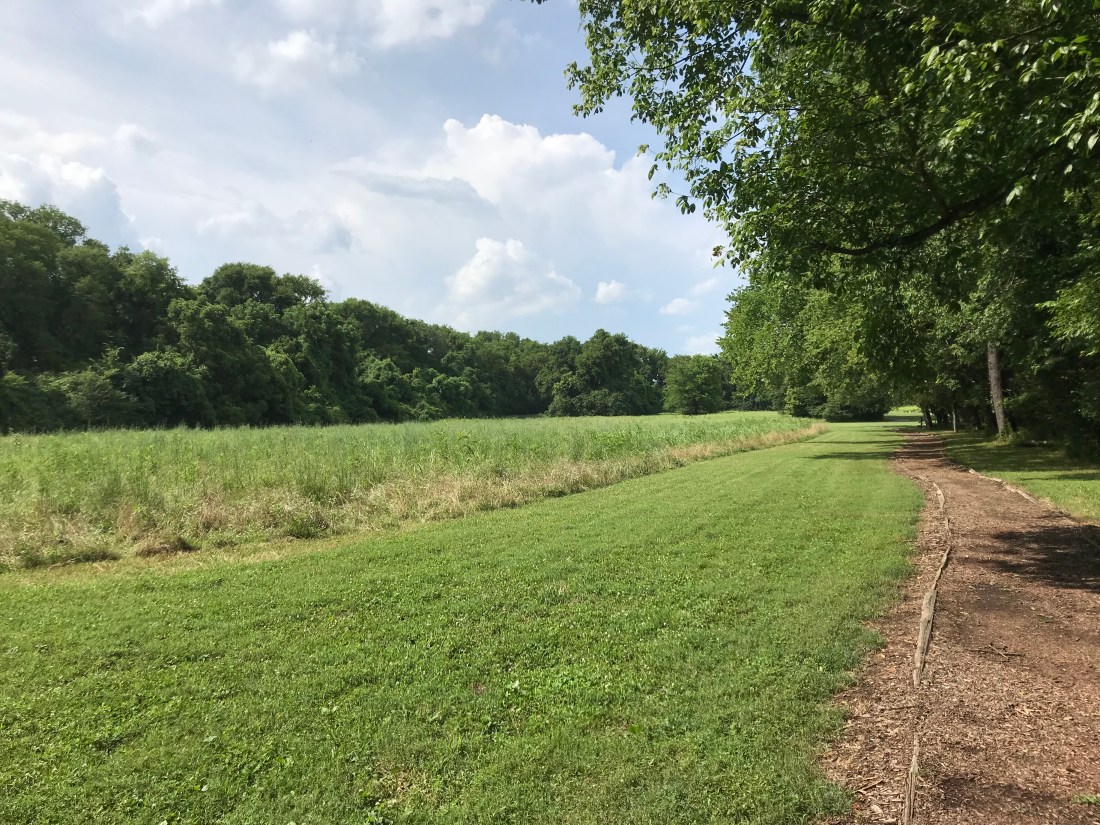
This long stretch of land actually was one of the most busiest areas on the entire estate, as it comprised the main community of slave houses. Half of the slaves of the plantation lived here, and gathered together for meals, songs, and meetings. Of course, that is long since gone,
 And this long expansion was the actual field where slaves toiled long hours of the day to harvest cash crops such as cotton and tobacco. Though the fields have long lied dormant, you could swear you could hear the voices of singing over a field of white cotton.
 We weren’t the only visitors either, these four wild turkeys also crossed our path (likely two females, and two males with the tail fans), so we got closer…
 After one of them “gobbled” at me… I backed up, and let them alone.
We also saw a number of deer in the distance. Who knows what else lives out here?
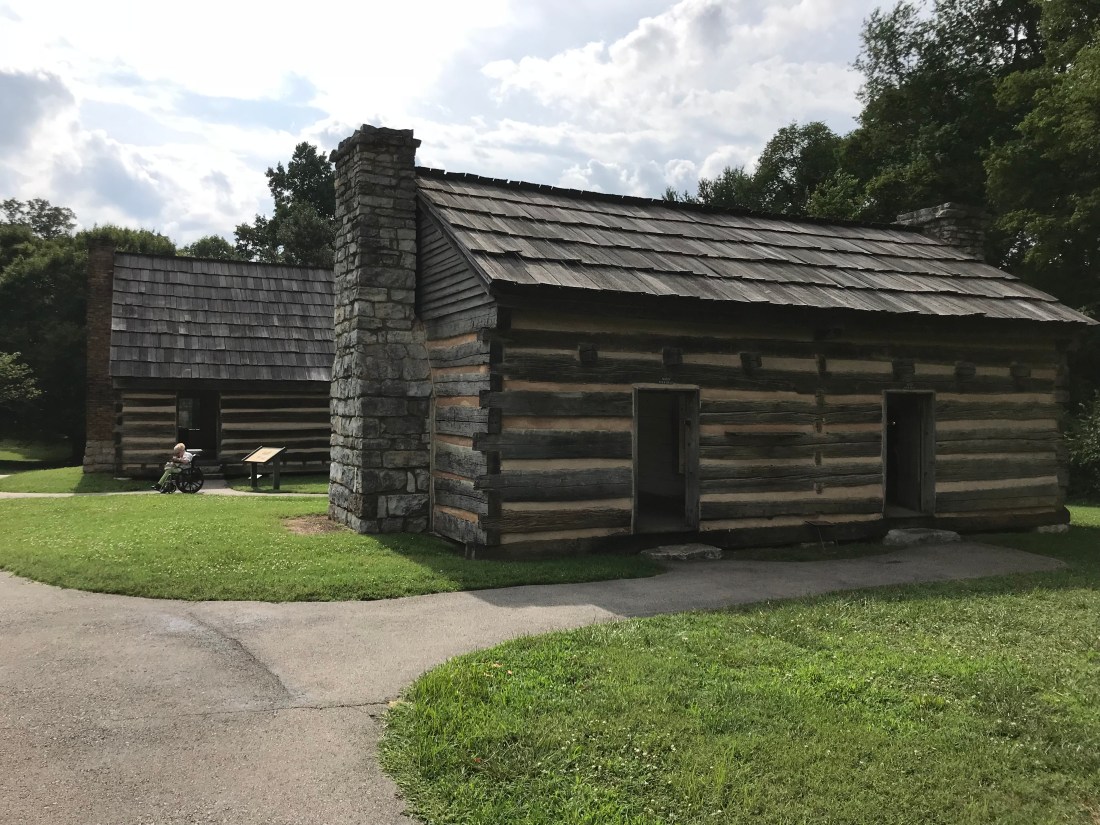 This cabin here was actually the original “Hermitage House”, where Jackson lived prior to the mansion’s construction. You couldn’t tell the difference between this or the slave house behind.
Yet another beautiful area.
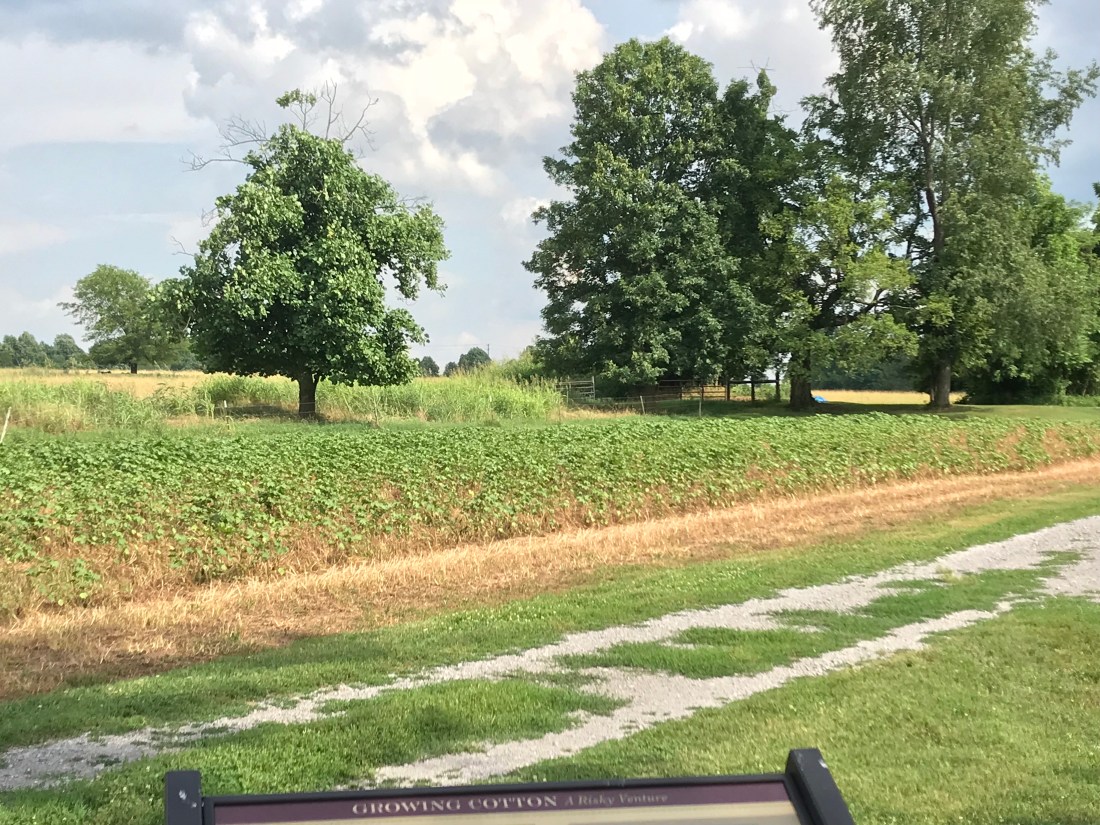
In the spring, these Cotton plants show a snow-white color, in an effort to show visitors how difficult it was to harvest them by hand, as slaves did. Besides the hard shell covering the plant that could cause cuts, there was also the difficult of getting every tiny seed out of the cotton. Of course, this was before the invention of the Cotton Gin, which could process cotton a lot more efficiently.
The last thing to visit was the garden, which contained the Jacksons’ tomb.


As you can see in the last pic, we are nearing the Tomb…
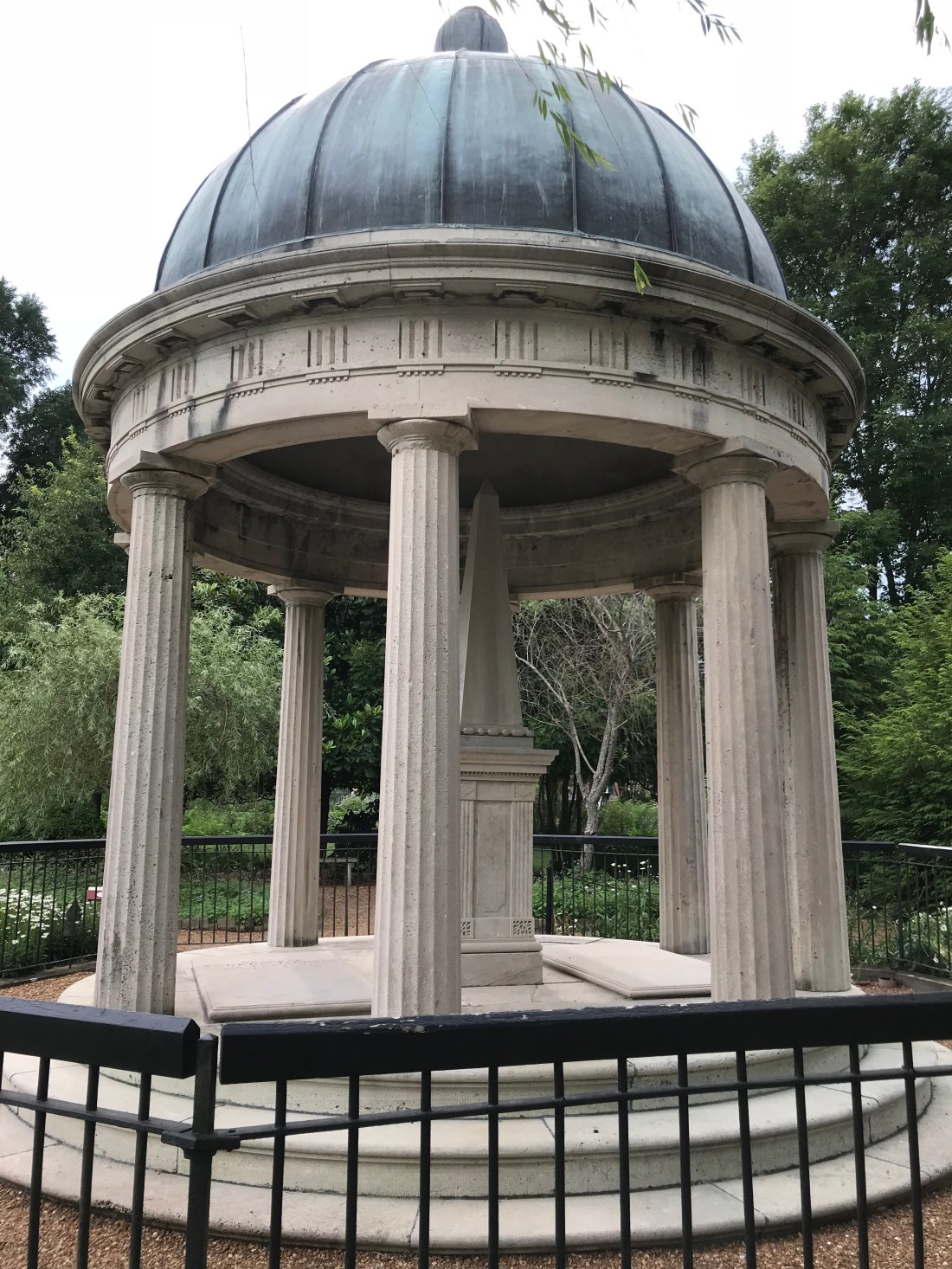
 Here we are.
 The tomb is an iconic piece of the Hermitage all together. Rachael was buried here following her death. Andrew Jackson loved her very much, even so that he placed her portrait across from his bed, so that would be the first thing he saw every day. And of course, the library window had a view out onto the garden, and the tomb.

 While Rachael’s grave has a long and beautiful epitaph (written by Jackson), President Jackson’s own grave simply reads, “General Andrew Jackson”.
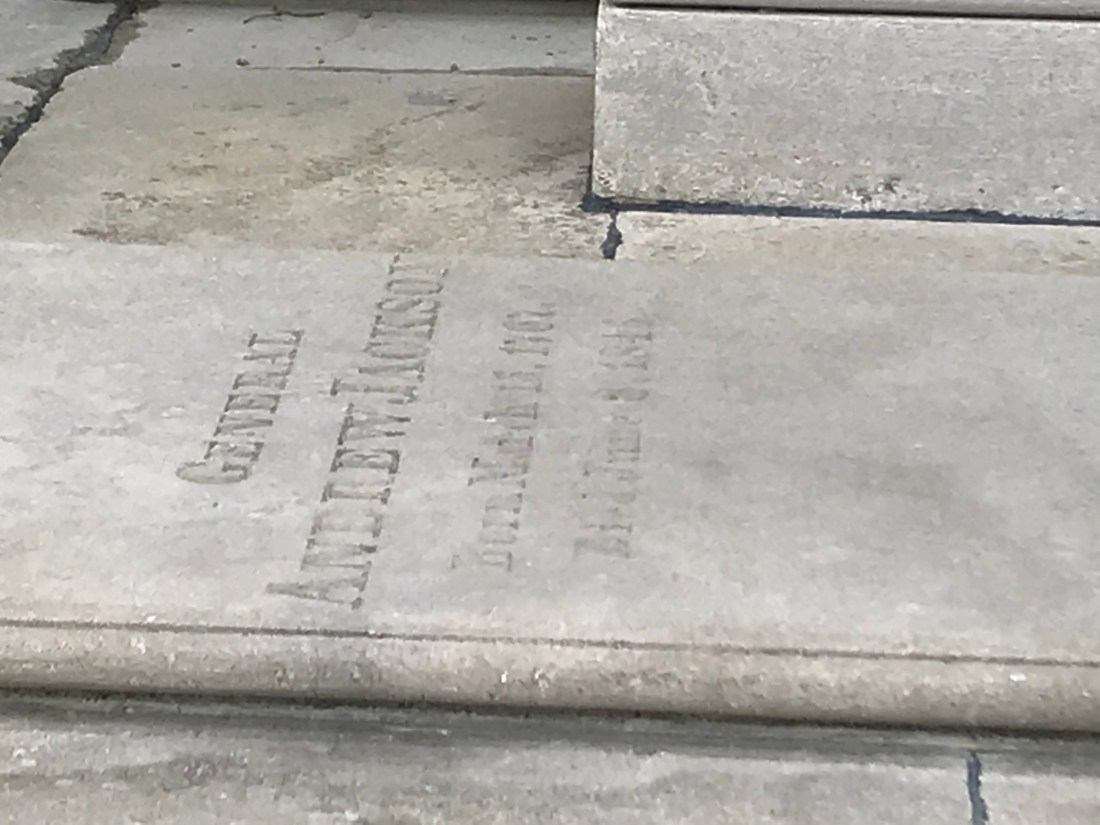
 A number of Jackson’s descendants are buried here in a small cemetery as well. The tall one in the back belongs to Sarah Yorke Jackson, who was Jackson’s daughter in law. After the death of Emily Donelson, Jackson’s niece, Sarah would succeed her as White House Hostess, at only 20 years old.
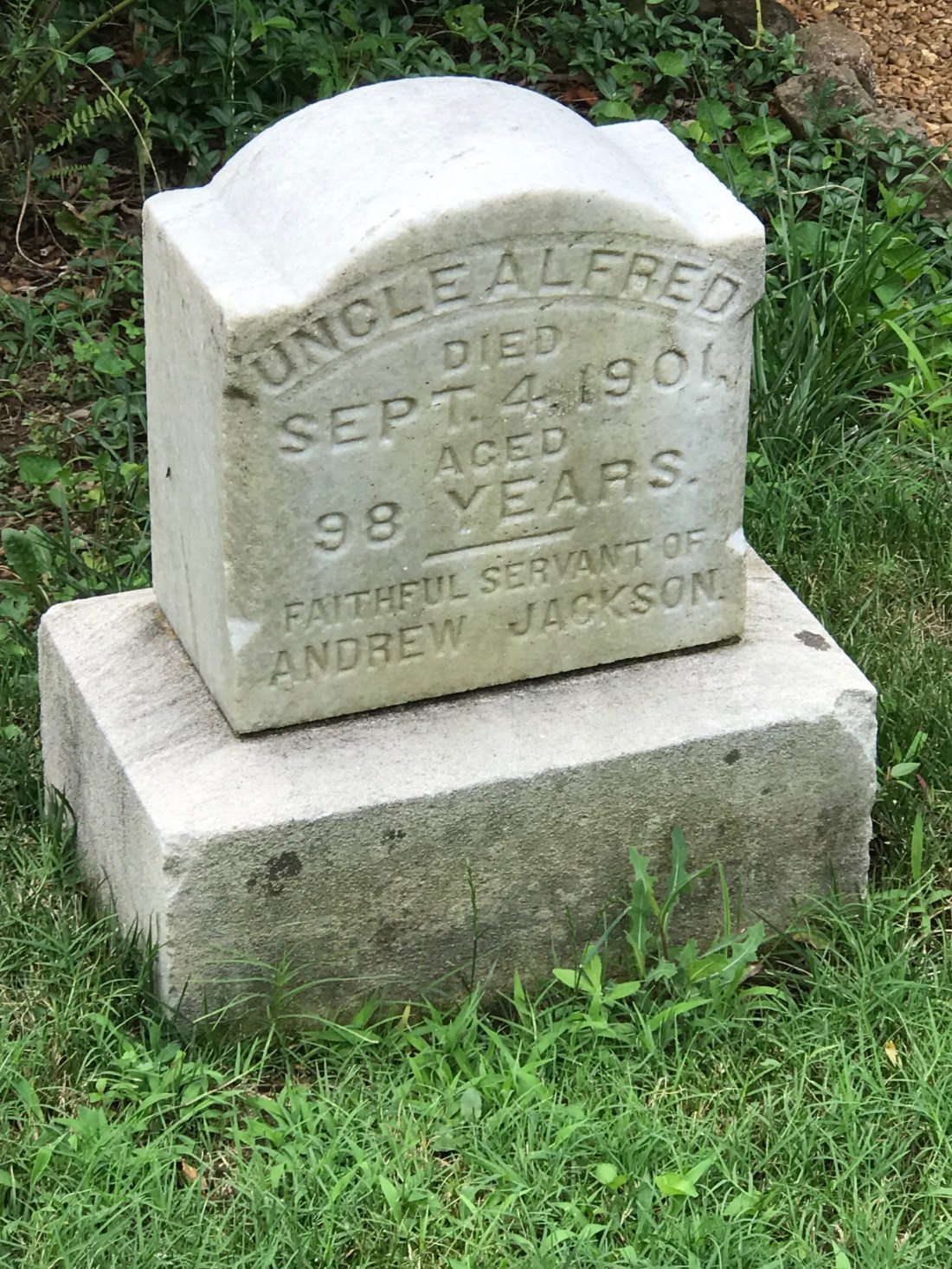 And nearby is old “Uncle” Alfred.
 Jackson was many things, and he captured every aspect of an average individual, both the good, and the bad. And like all individuals, he had many contradictions. He championed for the common people, for those who were put down by the aristocracy and the wealthy, and he wanted the Union to be preserved, and believed that unity was the only way to achieve true liberty.
However, he did own slaves, and saw no moral repugnancy about it. And he forcibly removed millions of Indians further west away from their homes. And the grudges and hate that he held for his enemies was opposite to the Christian faith that he was pledged to.
Whether or not you agree or disagree with Jackson’s policies or his image, there is little doubt that he left such a profound impact on our society. Many today reference his iron-clad will and his fight for the common man, and others, well… for less than ideal things. But what president isn’t weighed from both good and bad?
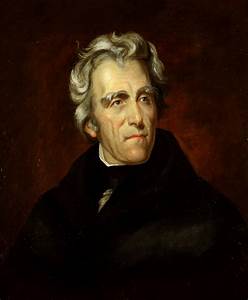
But that’s for us to decide… who WAS Andrew Jackson?
Perhaps only time will tell…
After leaving the Hermitage amidst heavy storms, we arrived in Nashville, and toured the city for different sites to see the next day.

Ryman Auditorium is legendary for being the birthplace of Bluegrass music, and has remained in the hearts of Nashville, the music community, and the world for over 100 years. To this day, performances still play with the beat in this temple of Country Music. We’ll come back the next day.


Suffice it to say… Broadway Street was a hopping place. There wasn’t a single restaurant along this display of neon that didn’t have a band playing in it. Nashville certainly has an outward charm to it… amidst all the noise, lights, and other city sights.
Eating at a rooftop restaurant (with very good pulled-pork sandwiches), we then came across…
 The Country Music Hall of Fame! Yet another destination to come!
Thank you all for putting up with my lateness on this blog post of two days ago!
I’ll try to keep on schedule now, there’s only a couple more before we are finally home!
Thanks everyone, let’s wrap up this trip with a bang!
 Mark's Historical Roadtrips!
One thought on “Day 16, Pilgrimage to the Hermitage (La Grange, KY to Nashville, TN) (6/27/18)”