
I’m sure the title might have given it away, but today we visit one of the landmark sites of the American Civil War… Appomattox.
Here on April 10th, 1865, Confederate general Robert E. Lee surrendered himself and his Army of Northern Virginia to the Union Army led by general (and future president) Ulysses S. Grant. Though some fighting continued afterwards, this is often credited as the end of the war.
And we have two different sites to show you! The Appomattox Museum, and the Appomattox Courthouse National Historical Park. Join us!
The American Civil War Museum (Appomattox)
If you recall from my previous posts, the American Civil War Museum consists of three locations. The White House of the Confederacy, and the museum locations at Richmond and Appomattox. Now we come to the latter.

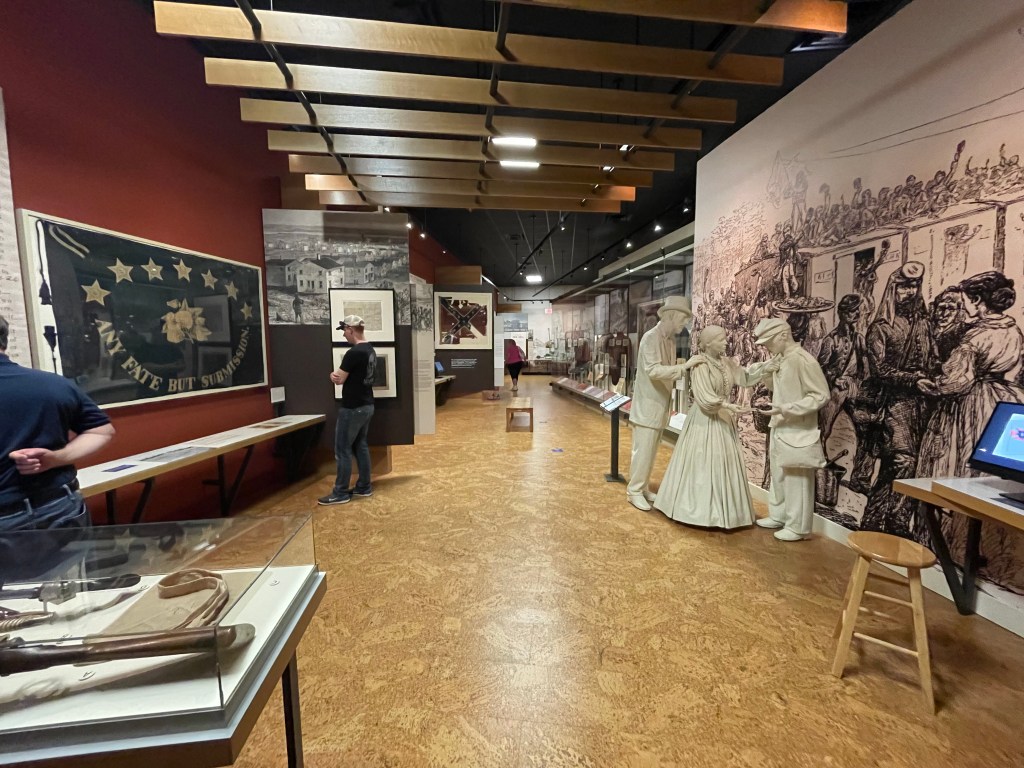

Having been pursued by the Union Army for weeks, and following various skirmishes, Lee decided to surrender to Grant, declaring “I would rather die a thousand deaths.”


Thus, Grant and Lee met at the tiny community of Appomattox Courthouse (the town was literally named “Appomattox Courthouse”), and there they officiated the surrender of Lee’s Army. For many, it was the end to a long and bitter struggle.


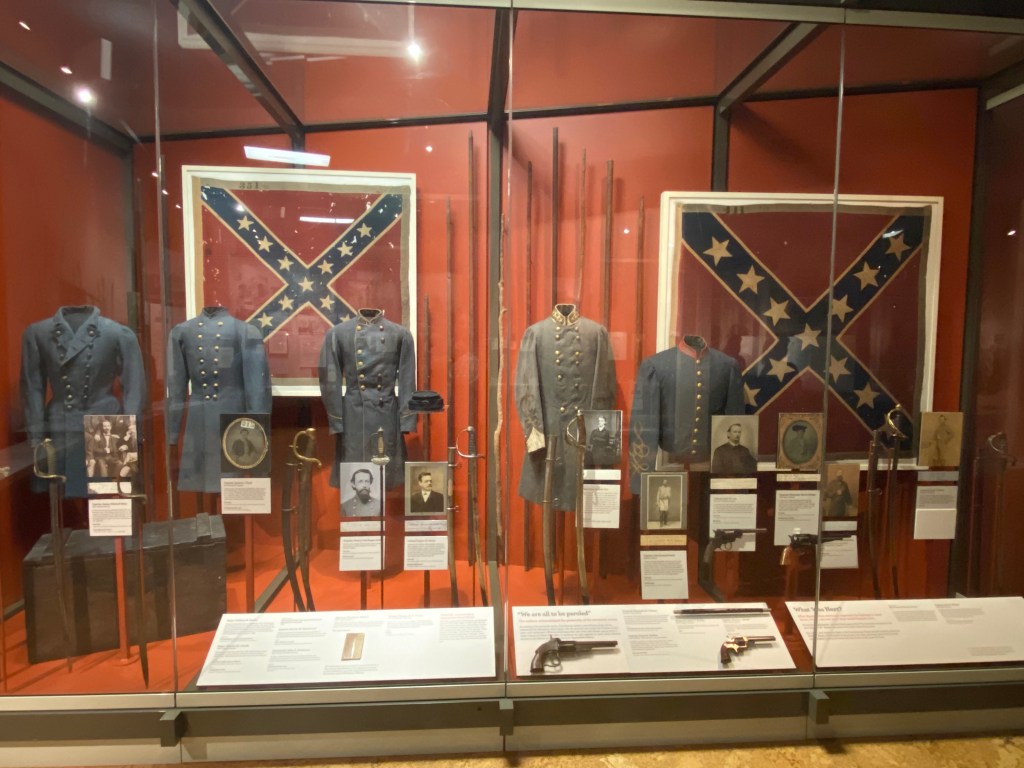
Their meeting lasted only 90 minutes, but it didn’t take long for word to spread throughout both the Union and the Confederacy.

There were many different reactions across the continent. Some were confronted with feelings of jubilation, others defeat, and others anger or mournfulness. It was only four days later on April 14th that President Lincoln would be shot and killed by John Wilkes Booth.

Some individuals, like Brigadier General Thomas M. Logan (left) and Governor John Milton (right) committed suicide, refusing to concede defeat. Those that didn’t would prove to be embittered against their “conquerors”.

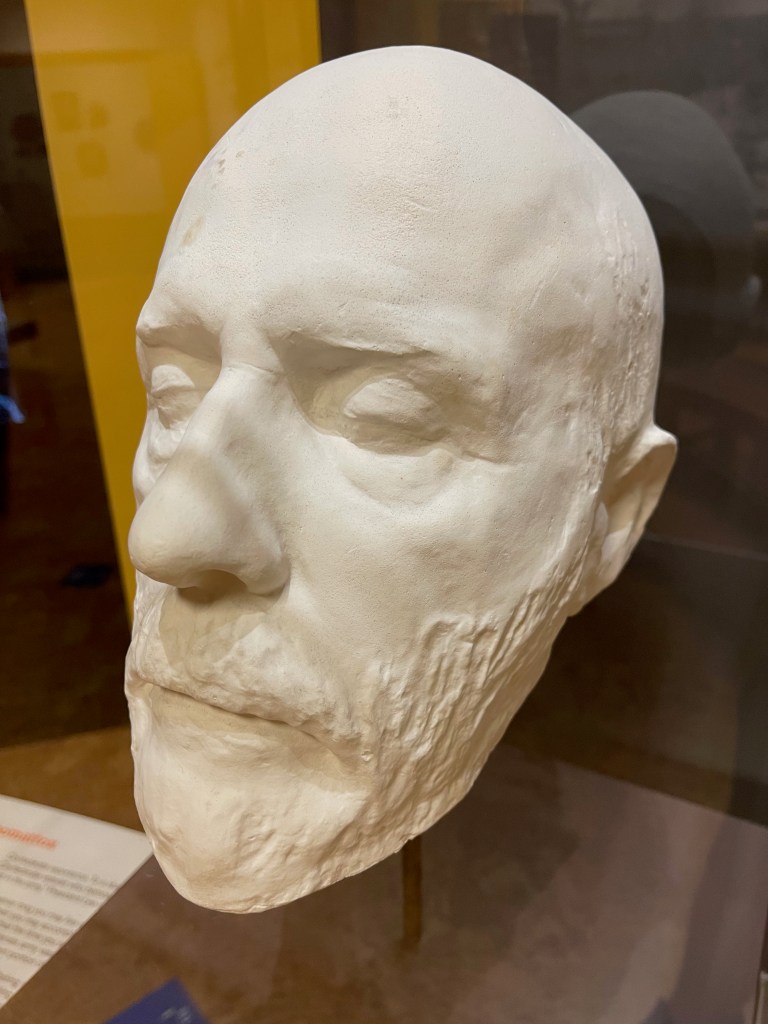
Any death mask can prove to be rather haunting… especially considering this was how Robert E. Lee looked when he died.

Indeed, though the Union would be reunited with it’s southern brethren, the “Lost Cause of the South” would continue to persist under the idols of Jefferson Davis, Robert E. Lee, and other Confederate leaders. Made into symbols of bigotry and hatred, racial injustice would pierce the south long after the passage of the 13th, 14th, and 15 amendments, granting African-americans freedom, citizenship, and the right to vote.

Many freed slaves soon found themselves impoverished, and thus were exploited by their former masters. Under the Sharecropping System (in which servants would be provided with shelter, food and “payment” by their often former masters), literacy tests (excluding African-americans from voting), and further terror brought by vigilante groups like the Ku Klux Klan, the rights of African-americans and other minorities would be infringed on by the South.
Even after the end of the war, its’ scars run deep…
Barely a mile away from the museum, one can find the actual site of the town where it all came to an end.
Appomattox Court House National Historical Park
Grant and Lee needed a place of neutral ground to conduct their surrender… somewhere close, and on neutral ground. The nearby town of Appomattox Court House proved to be just the place.

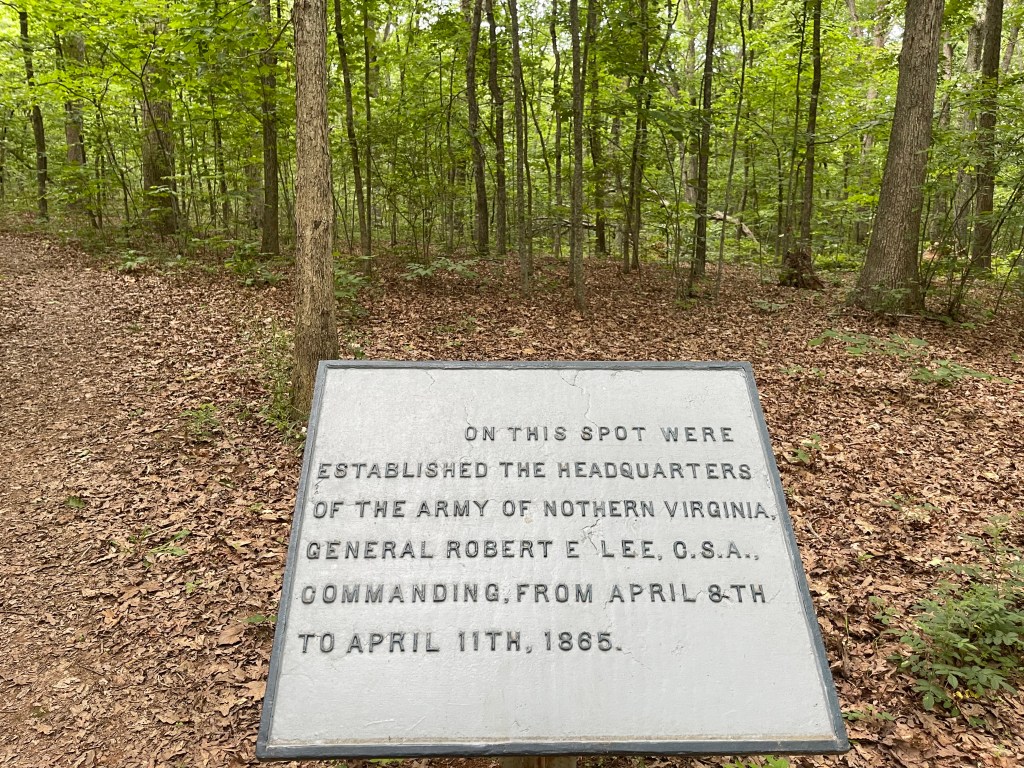

The victorious Union Army would occupy the tiny community, and slightly north of the town, Grant and Lee would meet. The tension was certainly present, but Grant and Lee would treat one another with respect and dignity. So it seemed to be with their men as well.
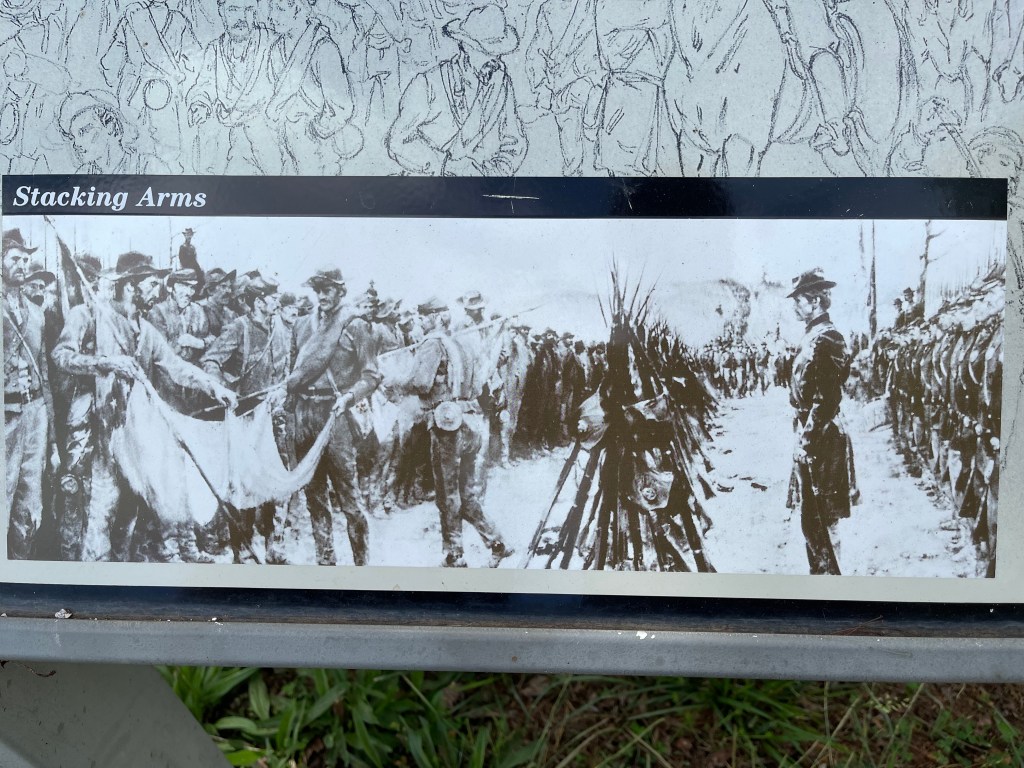


From the front porch of one home, one could see weary Confederate soldiers laying down their arms as they surrendered… some silently weeping from their lost cause… others, merely relieved to receive food for the first time in days… the war had took its’ toll on both sides.
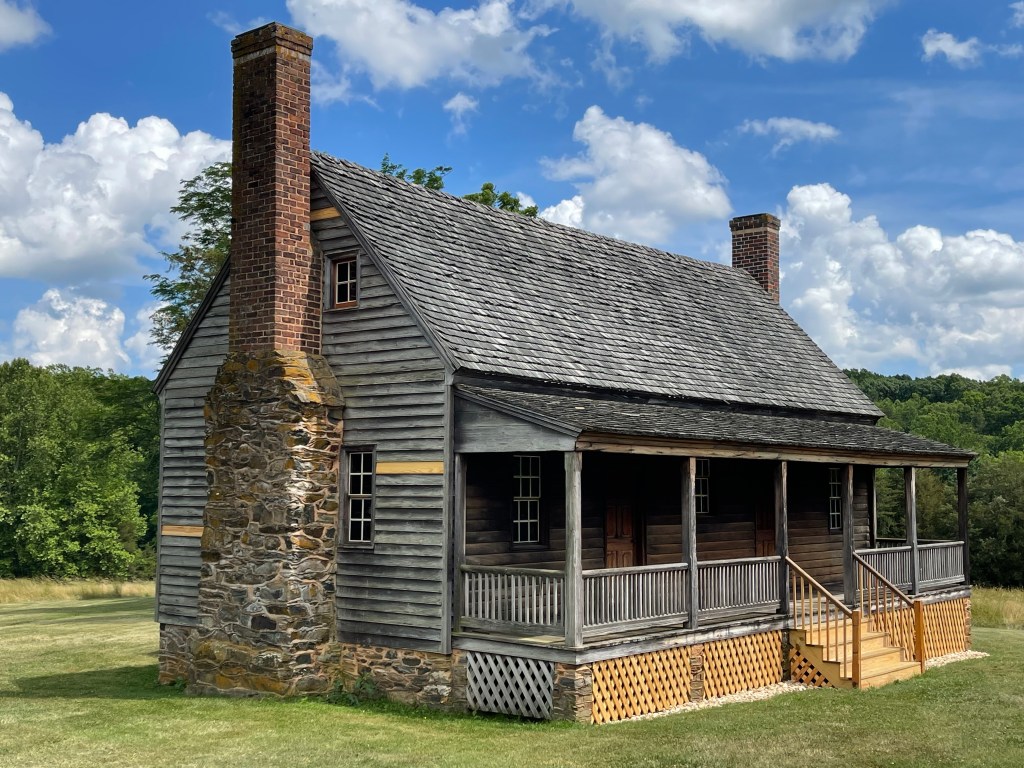


The house above was built by the Speaker of the Confederate House, Thomas S. Bocock.
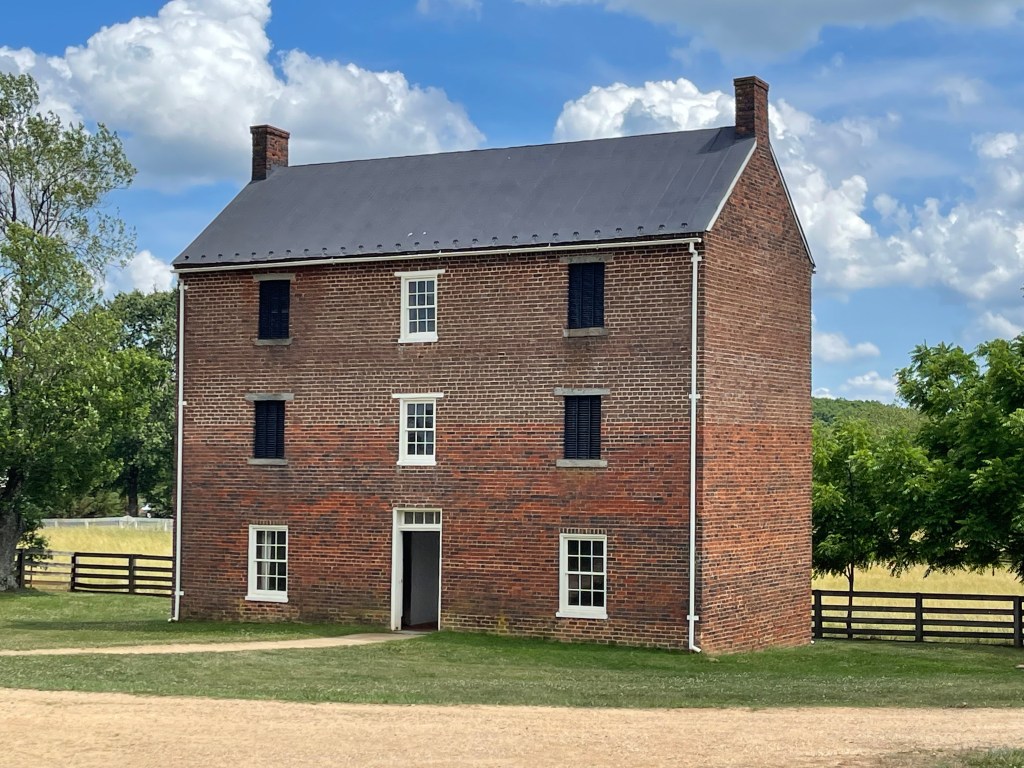

Originally named Clover Hill in 1819 (after the tavern located here), the town would get it’s name from the nearby Appomattox River, and from the important court house located here.
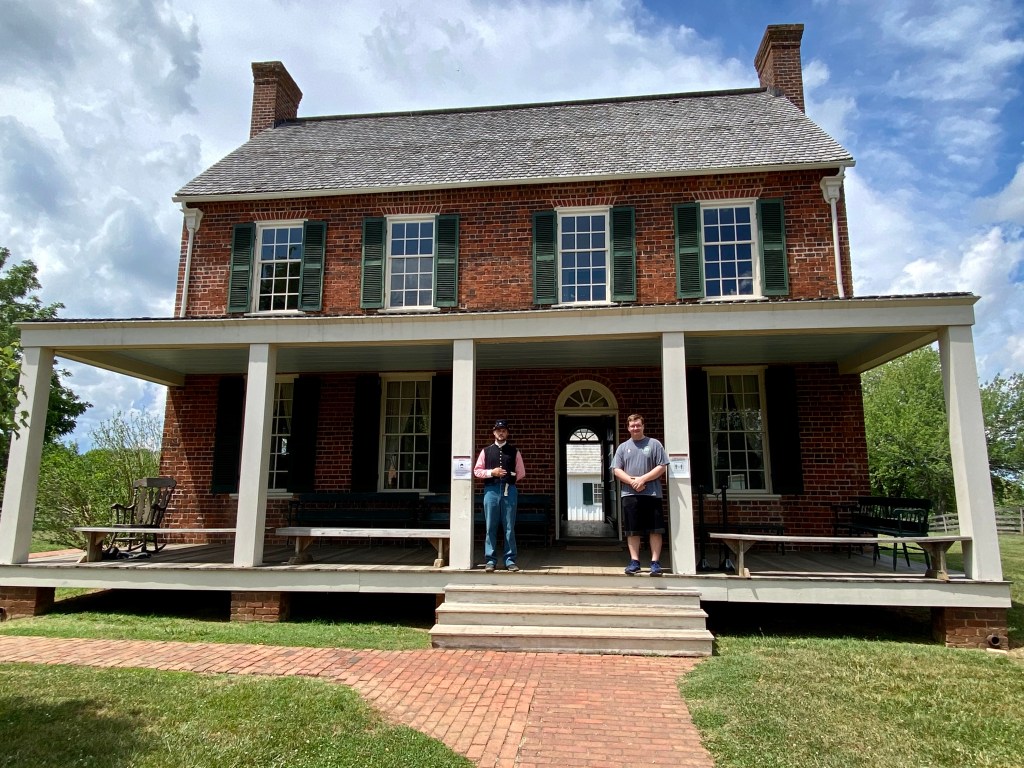

At the Clover Hill Tavern, Union soldiers printed out over 300,000 parole slips for Confederate soldiers, allowing them to return home.
Grant’s merciful and charitable treatment of the Confederate soldiers is a detail that is well-remembered. There was no gloating or cruel taunting from him, or any of his troops. It was a solemn moment that few others could ever match.
Appomattox Court House, pictured above, was the center of the community back in the 1800’s. This building however, unlike most of the others, is a replica, as the original burned in 1892.
Contrary to popular belief however, the signing of the surrender was not here at the Court House. Because it was closed on Palm Sunday (and the preferability of neutral ground between Union and Confederates), they decided to have it nearby…

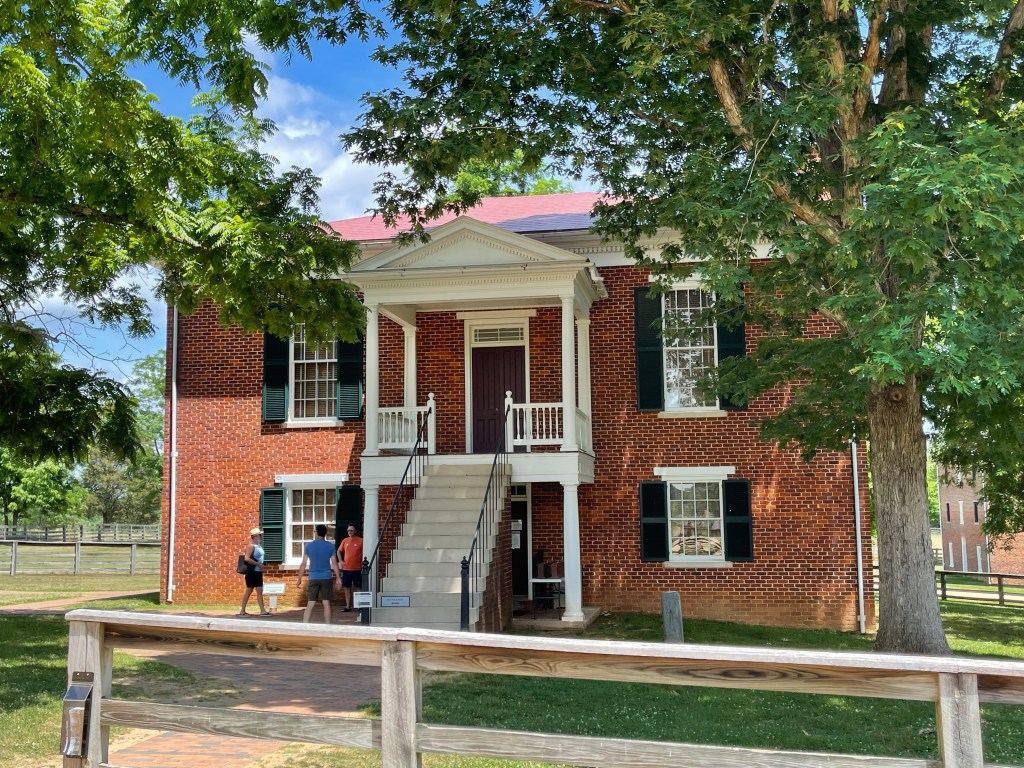
Owned by Wilmer McLean, a buisnessman who had fled Manassas during the First Battle of Bull Run (one of the first battles of the Civil War), the McLean House would ironically be the location of one of the last landmark events in the war. The house was deconstructed in the 1890’s, so the house you see here is a replica.
Yet its’ still very evocative of that moment… imagine Union soldiers surrounding the fence, silently waiting to see what would happen. When the two generals strode out, Grant stood on the front steps, while Lee climbed aboard his beloved Horse Traveller. Tipping his hat in a sign of respect, Lee left with his men to return to Richmond.


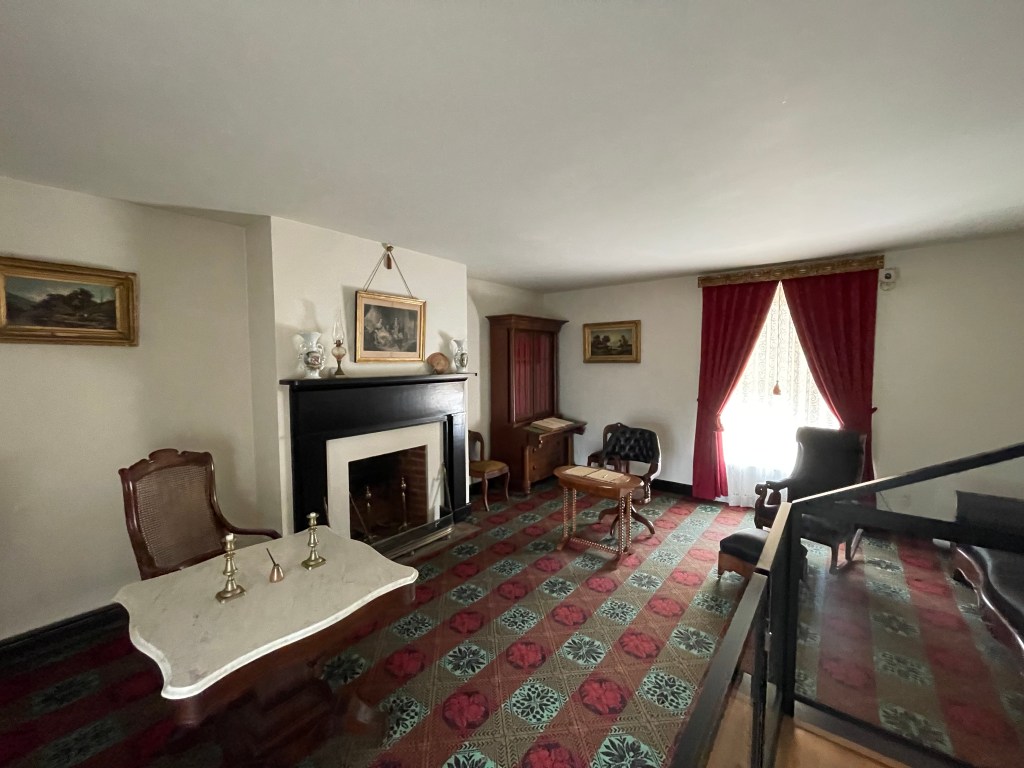
Here in this room, sat Lee, Grant, and their subordinates, as they paved the way for the War’s end. Grant sat at the wooden table (center), and Lee at the marble table (left). Grant would provide safe passage and give provisions to Lee’s soldiers as they returned home. Both West Point graduates, the two treated one another with remarkable class and dignity.
The War had finally come to an end… at least, the physical part of it. Both sides were left wearied by it, countless towns and cities had been damaged or destroyed, and over a million lives had been lost to senseless and bloody warfare. If we should learn anything from the final meeting at Appomattox, is that we can come together, despite our differences, and be able to reason with each other respectfully, and empathetically. And that is a very comforting thought, especially in this day and age.

As a side note, the two chairs and Grant’s table are kept at the Smithsonian Institution, and Lee’s Table up in Chicago.
Anyway, I hope that the shortness of this post was able to make up for my longer one yesterday!
Tomorrow we venture out for our final day in Virginia, as we visit Thomas Jefferson’s Poplar Forest, as well as the National D-Day Memorial. From there, on we go to Tennessee!
Hope to see you next time!
 Mark's Historical Roadtrips!