
Welcome back!
It’s hard to believe that the day after tomorrow, we’ll be safely back home in Texas…
But we’re following through with our plans! Today let us explore the James K. Polk Presidential Home & Museum, before arriving at our final destination: Nashville!
James K. Polk Presidential Home & Museum
Situated an hour south of Nashville is the town of Columbia, former hometown of our 11th President, James Knox Polk. Considered by historians to be one of our more underrated presidents, very few places remain today with the Polk signature. With most of his homes having been torn down, the only two remaining residences associated with him today are the White House, and this modest home.

Granted, Polk never actually owned this house. It was built in 1816 (the oldest two-story house in town) by his father Samuel Polk, and James (or Jimmy if you will) returned here after graduating from the University of North Carolina in 1818, living here for only 6 years.

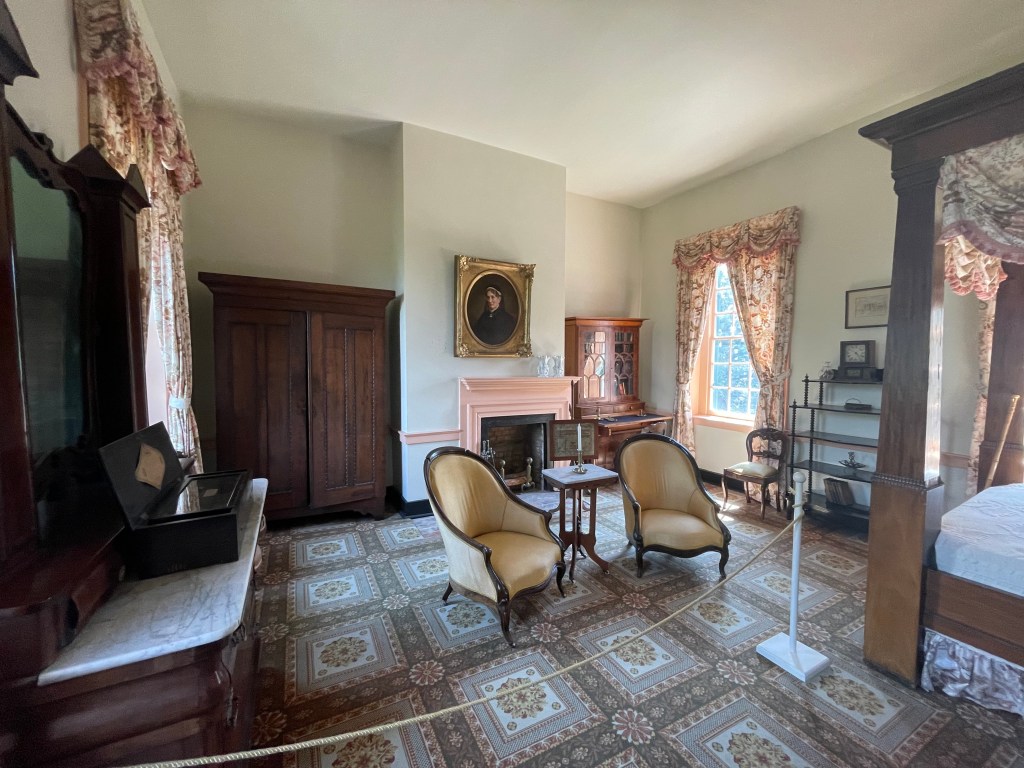
This house is rather unique from other presidential homes however. Rather than being made to look like it did when Polk lived here, various Polk artifacts from throughout his lifetime (the largest such collection anywhere) are displayed here as a form of memorial tribute to him and his wife Sarah. Many of these artifacts and furnishings come from their Nashville (and last) home “Polk Place”, which was torn down in 1900.

Some presidents, like Polk, have only singular historic sites to their names… its’ a shame, but it certainly highlights their importance into learning more about their subjects.

Polk, a Jacksonian democrat, followed the principles and ideals of President Andrew Jackson devoutly. That meant strict constitutional constructionism, free-market economics, patronage, expanded-suffrage, and of course, expansion west. Polk was so well known as Jackson’s “protege”, that he became known as “Young Hickory”, the heir to “Old Hickory” (as Jackson was known).
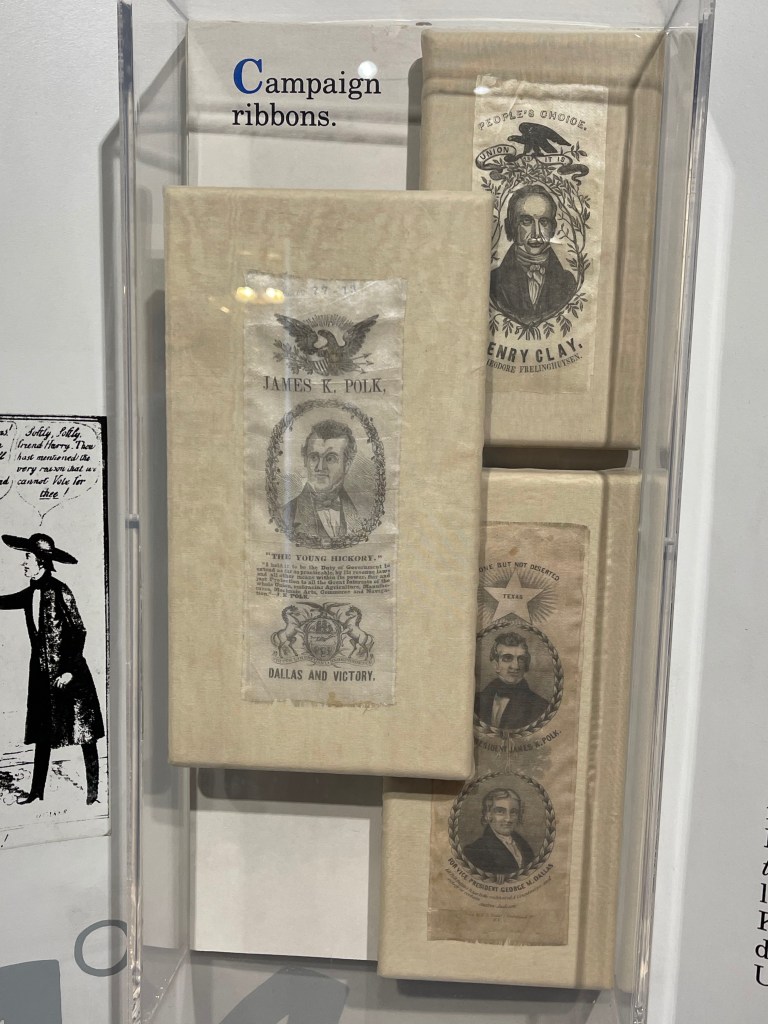
Despite having previously been both Governor of Tennessee and Speaker of the U.S. House of Representatives, Polk was a “dark-horse” candidate for the Presidential Election of 1845, who’s surprise appearance on the 9th ballot led to his party’s nomination, and later his victory in the General Election against Henry Clay, the whig candidate (who tried to run at least five different times to be president).

Polk was what we might call today a “workaholic”. Often working sixteen hours a day (with almost no recreation time), Polk was perhaps our hardest-working president, who micromanaged everything during his administration (to the consternation of his cabinet and poor health).

Polk made his oath on this bible, just as he did to the people. He swore that he would accomplish four goals in his administration: 1) Acquire the Oregon Territory from the British. 2) Acquire California from Mexico. 3) Lower tariffs, and 4) Establish an independent treasury. In addition, he vowed to only serve a single four-year term. And he accomplished all of those promises.

Wanting to acquire more territory through ANY means necessary, Polk sent troops to scour the Rio Grande River (the border of the newly annexed Texas) to patrol for Mexican incursions (in other words, to look for a fight). When those troops ventured on to Mexican soil, resulting in a brief skirmish against Mexican troops, Polk was given a good-enough excuse to go to war. The Mexican-American War would last for only two years, with the United States emerging victorious, gaining much of our present day territory from Mexico.

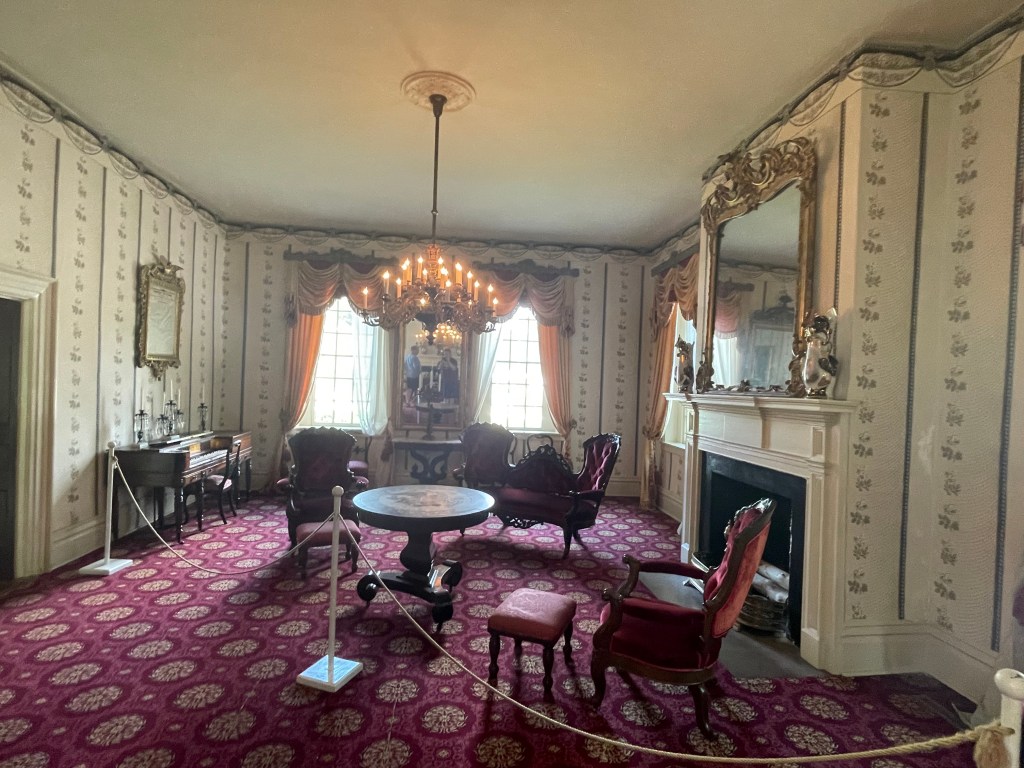

Interesting tabletop gift from Tunisia… if only they got the bald-headed eagle right.

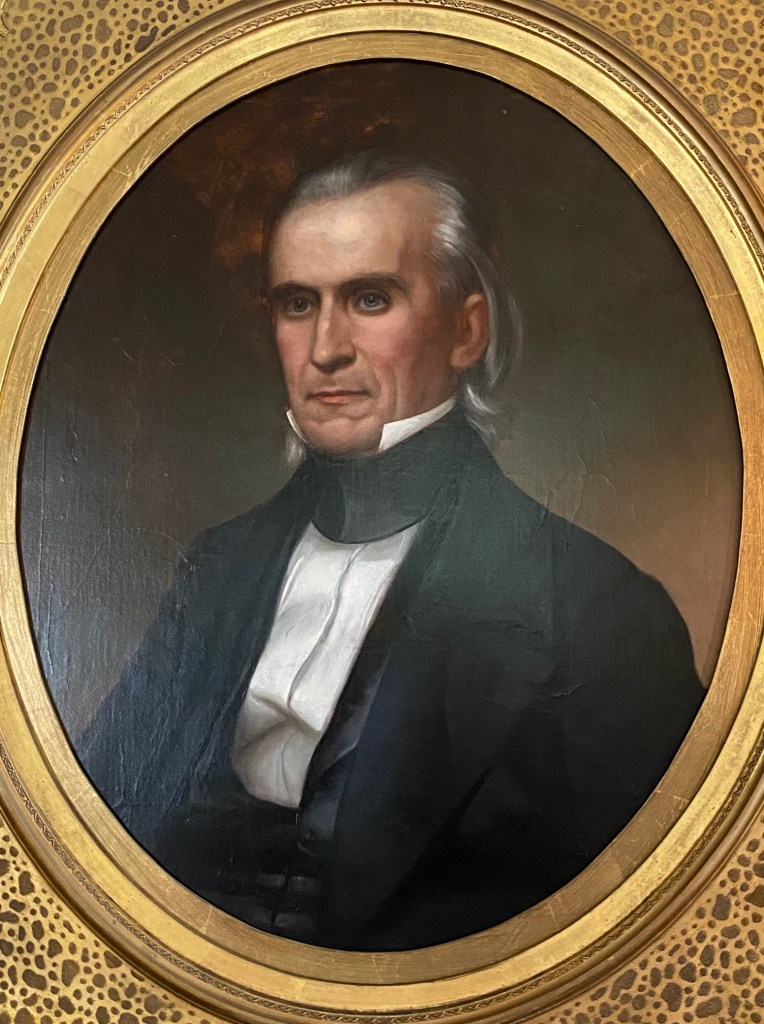
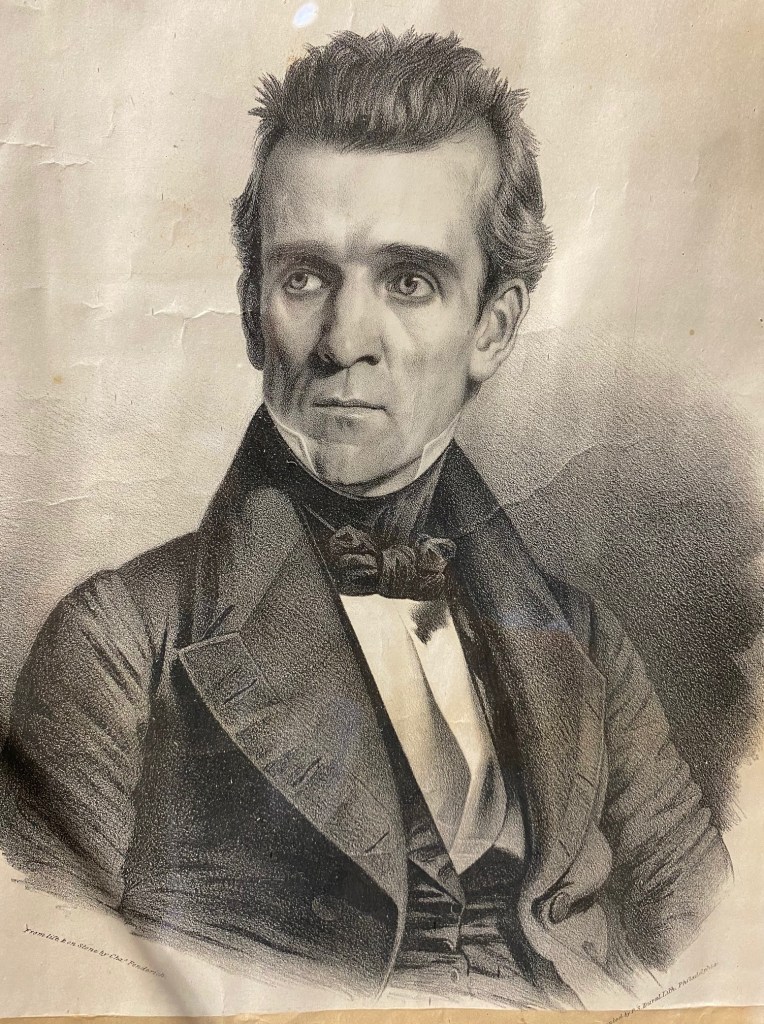
Want to know the scary part? There’s only a two-year time difference between those two portraits. The Presidency ages you…
Perhaps it can be said that it was the exhaustion from his work that killed him. Always sickly, even as a child, he lived only three months after leaving office before he caught cholera in New Orleans, dying at Polk Place in 1849, at only 53.

While Polk may have been an introverted, often bland sort of individual, his wife Sarah was perhaps one of the best White House hostesses we’ve had, with her very genial and friendly demeanor, and equally sharp mind. In addition, she was her husband’s campaign manager, and supported him wherever he was, or with whatever he did. Polk was not an affectionate man, but their love was certainly mutual.
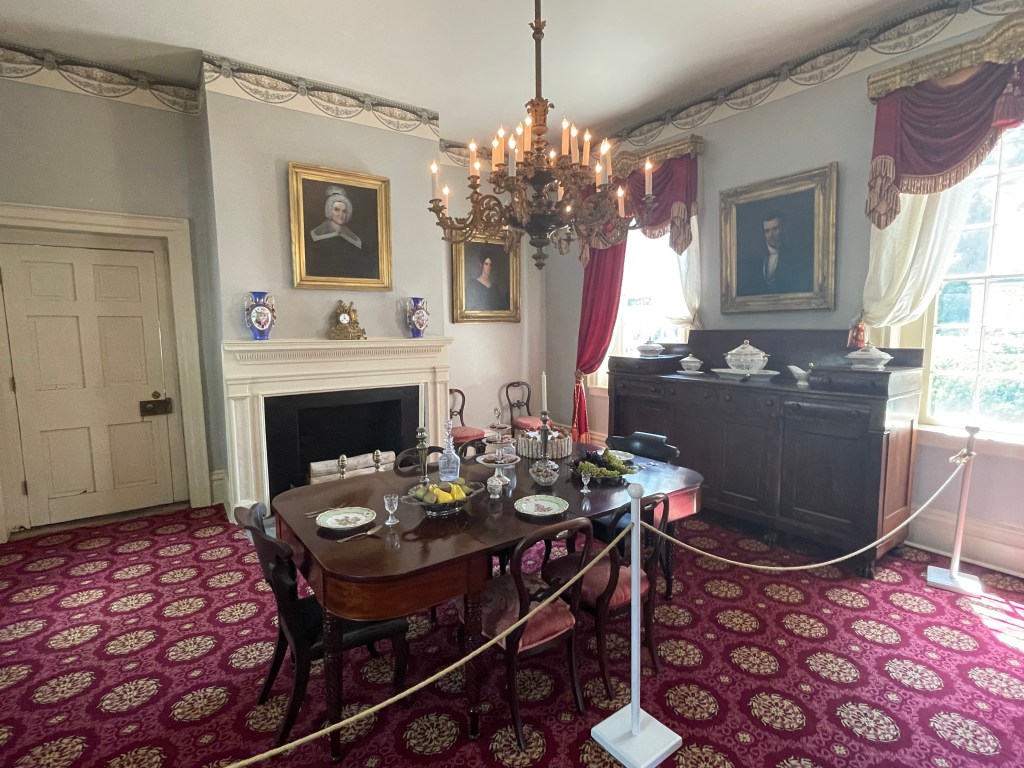
As one might guess from his work-ethic, Polk ate food for fuel, rather than enjoyment (contrary to his wife Sarah). Besides corn pone, a common southern staple, there’s little to no other record of what he liked to eat.


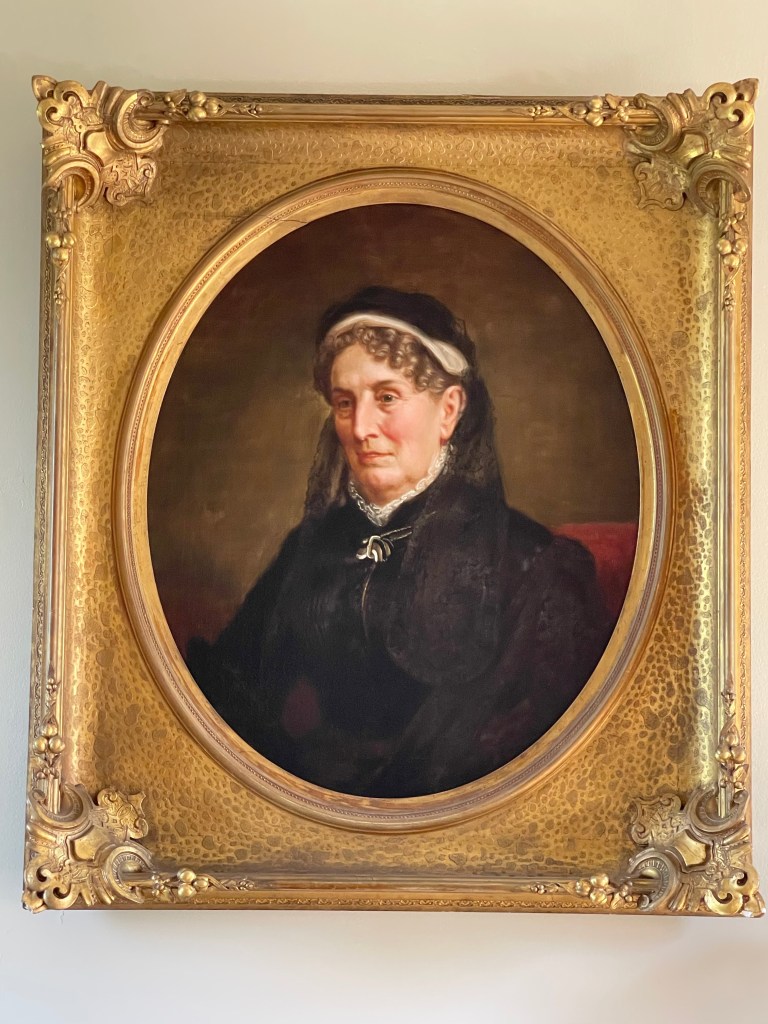
Jane Polk was the mother of President Polk and his nine other siblings. With the Victorian Era tradition of wearing black in mourning (as our guide noted), you can tell that things were not going well for her. She outlived her husband and seven of her children (many dying young, including James, who she outlived by two years).
A fierce Presbyterian, she tried to have her son baptized under that faith as well on his deathbed (he was never formally baptized due to a… “disagreement” between the preacher and Polk’s father). Polk decided instead, to his mother’s horror, to be baptized as a Methodist, shortly before he died.

Called the “Napoleon of the Stump”, Polk was a skilled orator, and won many victories on the speaking circuits in Tennessee.
On an unrelated note, Polk owned nearly 25 slaves in the course of his lifetime, most of them working on other plantation properties. One property in Mississippi was considered to have had one of the highest death rates of slaves in the South… In addition, Polk downplayed the question of slavery in the new territories, only briefly delaying the brewing conflicts that would lead to Civil War…
Sarah would live on for 42 years after her husband’s death, passing in 1891 at the age of 87. Residing at Polk Place to preserve his legacy, she would raise a great-niece (also named Sarah), and wear black the rest of her life. During the Civil War, Polk Place was considered neutral ground, and both Confederate and Union generals (as well as later Presidents) would pay respectful calls to her there.

Polk Place would not remain long in Sarah (the younger)’s hands after her caretaker’s death. Over 50 Polk residents contested possession of Polk Place, as Mrs. Polk was never officially recognized as the caretaker of the younger Sarah. In the end, young Sarah preserved most of the furniture (much of which is on display in the museum today), the Polk Tomb was moved to its current location on the grounds of the Tennessee State Capitol, and Polk Place was sold to a developer, who then tore it down. It’s a grievous loss of such a historic site… tomorrow, we’ll see both the tomb and the former site of Polk Place.
Despite Polk’s many accomplishments, and his relatively higher ranking in terms of effective presidents (often considered to be the only strong president between Jackson and Lincoln), very few actual sites are able to interpret his legacy in a substantial way… and that makes the support of these singular sites very important so these stories can continue to be passed down.
After all, even fewer people remember him today, none can deny his impact on the American Landscape. The country gained over 1,000,000 square miles of Texas, California, Oregon, and other formerly-Mexican territories, a new independent Treasury free from corporate influence, the Smithsonian Institute for the benefit of exploration and learning, and the greatly increased power of the chief executive.
It’s because of “Young Hickory” that we have to thank for this. And its’ the stories that these museums tell that are important to preserving and remembering the impact of our history.
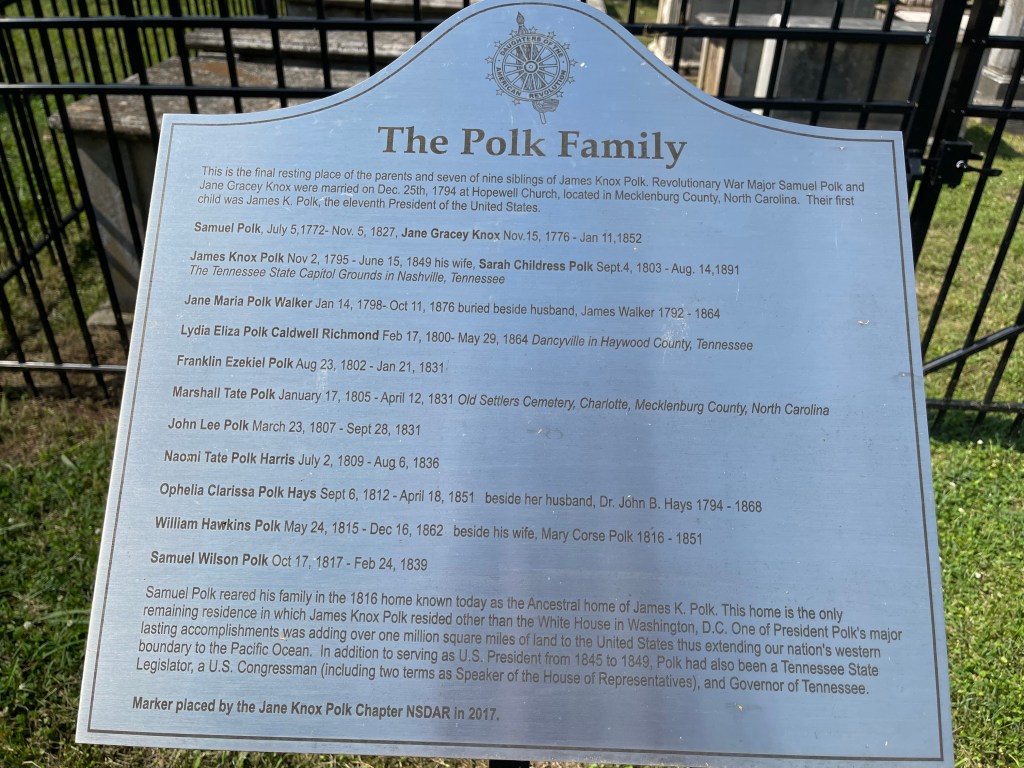
A couple of blocks away, we stopped by nearby Greenwood Cemetery to pay our respects to the Polk family.

This cemetery contains the graves of Polk’s parents, and seven of his siblings. President and Mrs. Polk are buried up at the capitol in Nashville.

This cemetery has seen better days… a number of the tombs and graves in the cemetery were tipped over, cracked, or in serious danger of losing their history. It pains me to see cemeteries like this… I hope they’re able to do more restoration work on it soon.
And so, we continued on to our final destination of the trip… Nashville. To think that it was two weeks ago when we touched down in Richmond…
We only did a brief bit of sightseeing, and drove down some of the streets that we did back in our 2018 trip…

The Parthenon of Nashville was built in 1897 for the Tennessee Centennial Celebration, and is an exact replica of the Parthenon in Greece (at least when it it was in its prime). Now it serves as a performing arts center, and an art gallery.


Broadway Street, as usual, was filled with the loud noises of people bustling, music playing, and neon lights glaring. I’ll only say this: social distancing was taken as a mere suggestion here.
Anyways, it seems that most of the rest of the trip involves us revisiting some of our favorite places in Nashville. Next time for instance, we revisit Andrew Jackson’s The Hermitage, the Country Music Hall of Fame, and the Tennessee State Capitol! As i’ve shown these things before on my blog (though this time with mom), i’ll likely only make it a brief post with photo highlights. Still, i’m anxious to see what’s changed, and what’s different!
And with that, I release you from this daily post. Take care!
 Mark's Historical Roadtrips!