
Hello everyone, welcome back!
First of all, let me apologize greatly for falling behind on my usual posting schedule. Due to an late-night excursion last night, I am needing to post this afterwards.
We are now officially outside of Washington D.C., and staying at our hotel in Gettysburg, Pennsylvania! We will explore the massive battlefields and the Eisenhower Farm tomorrow. So while we are getting a much needed rest here, allow me to relay you yesterday’s events.
These two locations that we visited were both certainly impressive and exceeding of our expectations. They are the Washington National Cathedral, and the Woodrow Wilson House.
Lets explore these special places of western D.C. together!
Washington National Cathedral
After getting off a longer subway-ride than average, we got ready to head above-ground again, and…
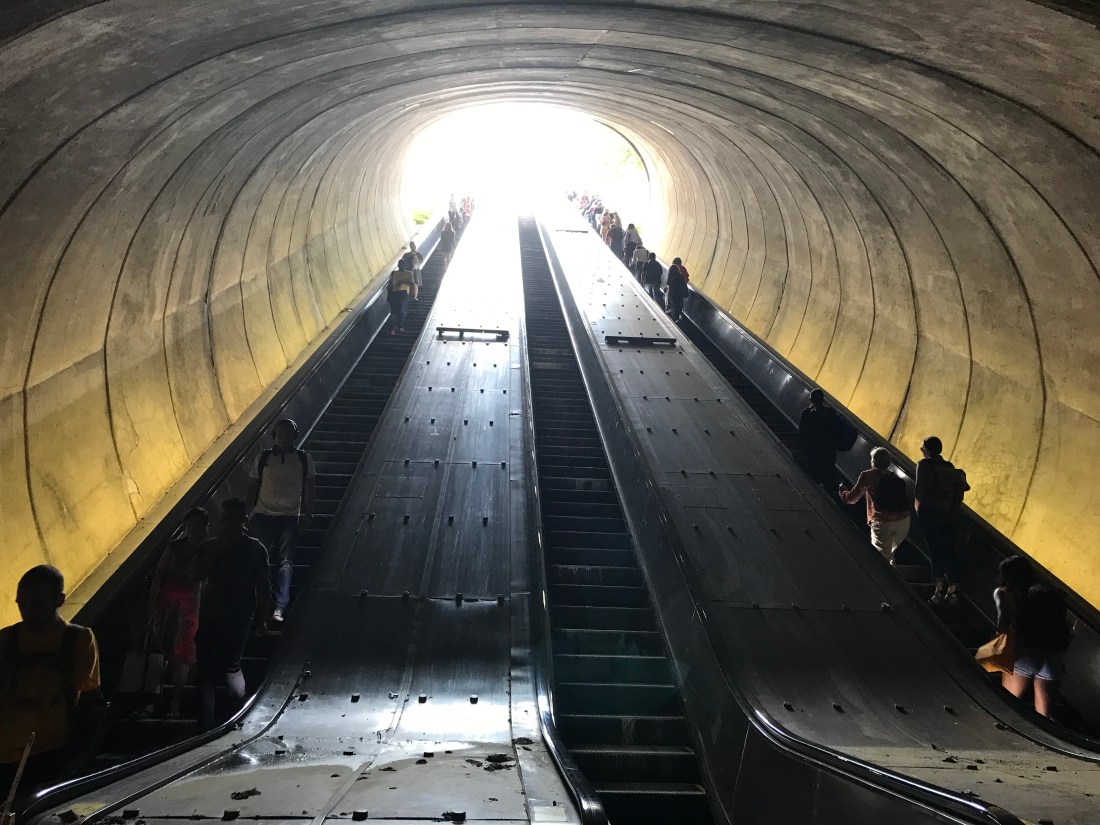
… Oh.
We eventually emerged out into the sunlight, and taking a bus, we arrived at the World’s sixth largest cathedral in the world!

Washington National Cathedral!
This massive church is the largest Episcopal Church in the country, and is also the de facto church of the entire nation. It could be considered the Westminister Abbey of the U.S. for it as famous for it’s services and ceremonies as it is for the people who are buried here.

It is so detailed and intricate… words cannot describe the massive scale of this place, or the very deep details that concerned it.
As you can notice, there is much scaffolding on the structure, particularly on the tower. Even today, repairs are still being made to the building which suffered from the 2011 Earthquake.
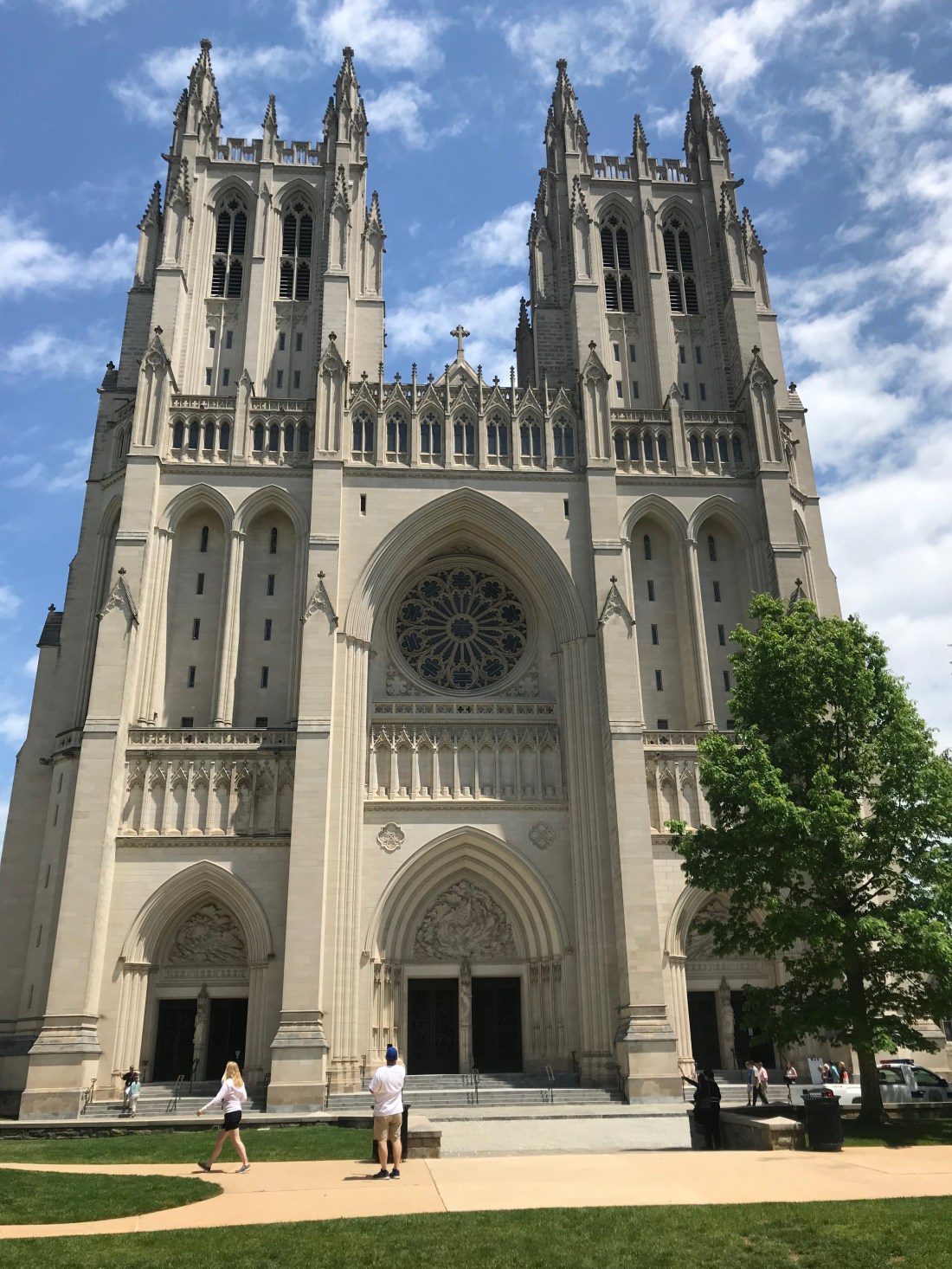
The front of the structure looks much like Notre Dame in Paris, which has bell towers and rose windows much like this. Though nowhere as big as that particular building, Washington National Cathedral is still a very large and iconic church.

That’s me. I feel so tiny and insignificant…
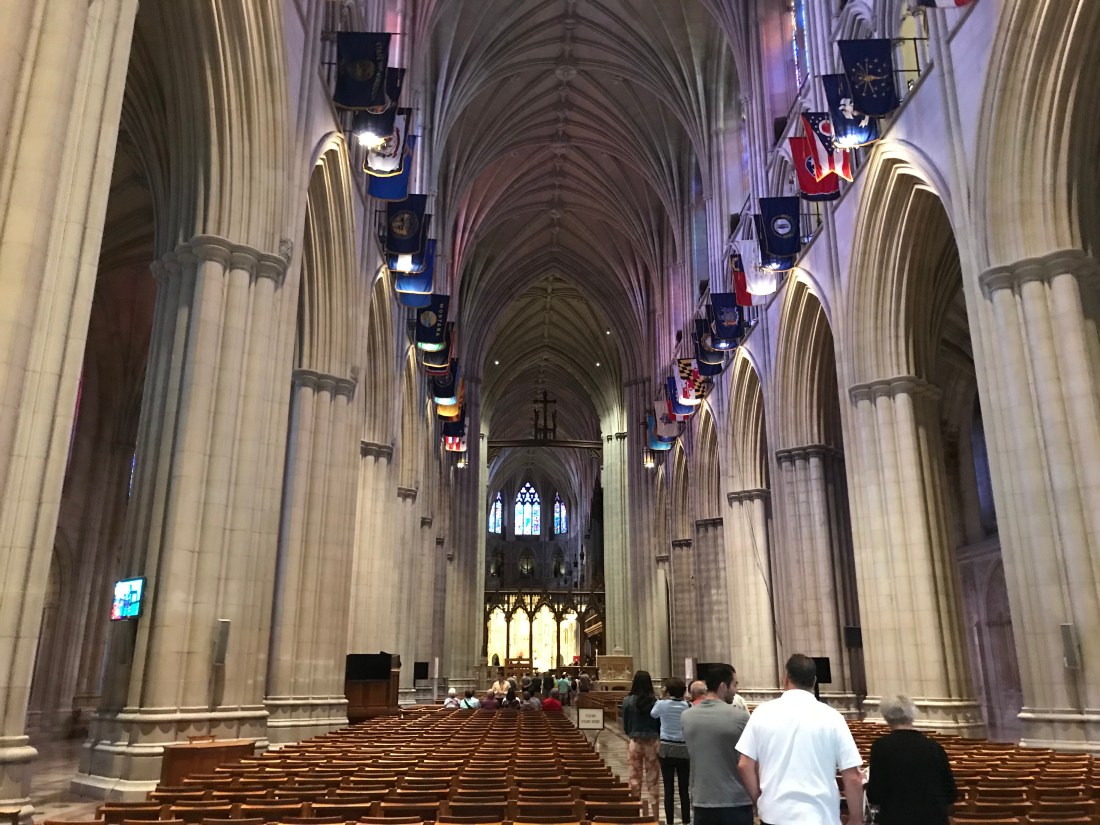
Immediatly from the get-go, the immense scale of the interior caught us off-guard. It’s high-vaulted ceilings and immense pillars were truly wonders to behold…
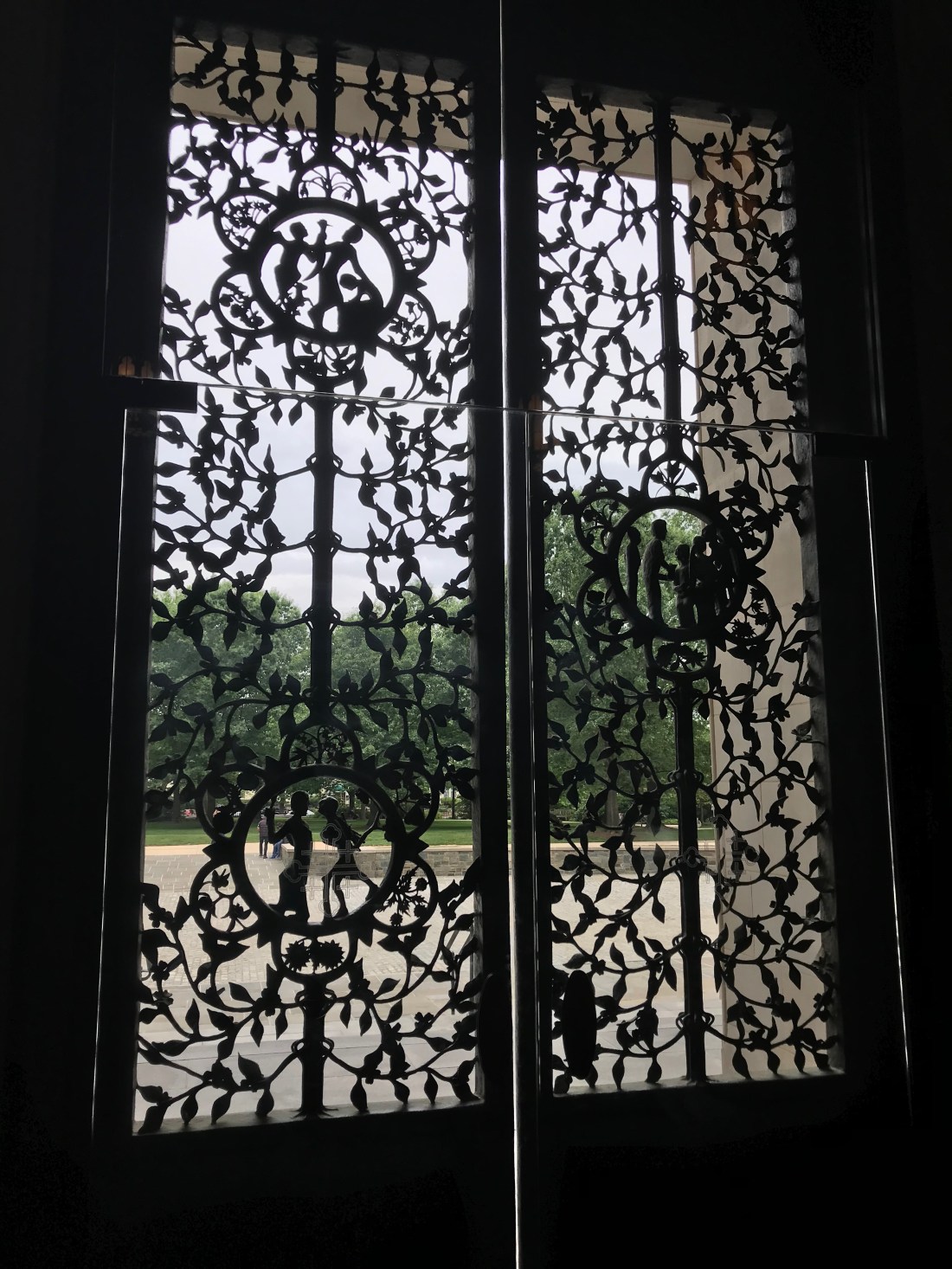
The ornate front doors of the Cathedral seem to be made with expert craftsmanship.
Before our tour began in the main hall of the Cathedral, we went up into the bell-tower to get a bird’s eye view of the place.
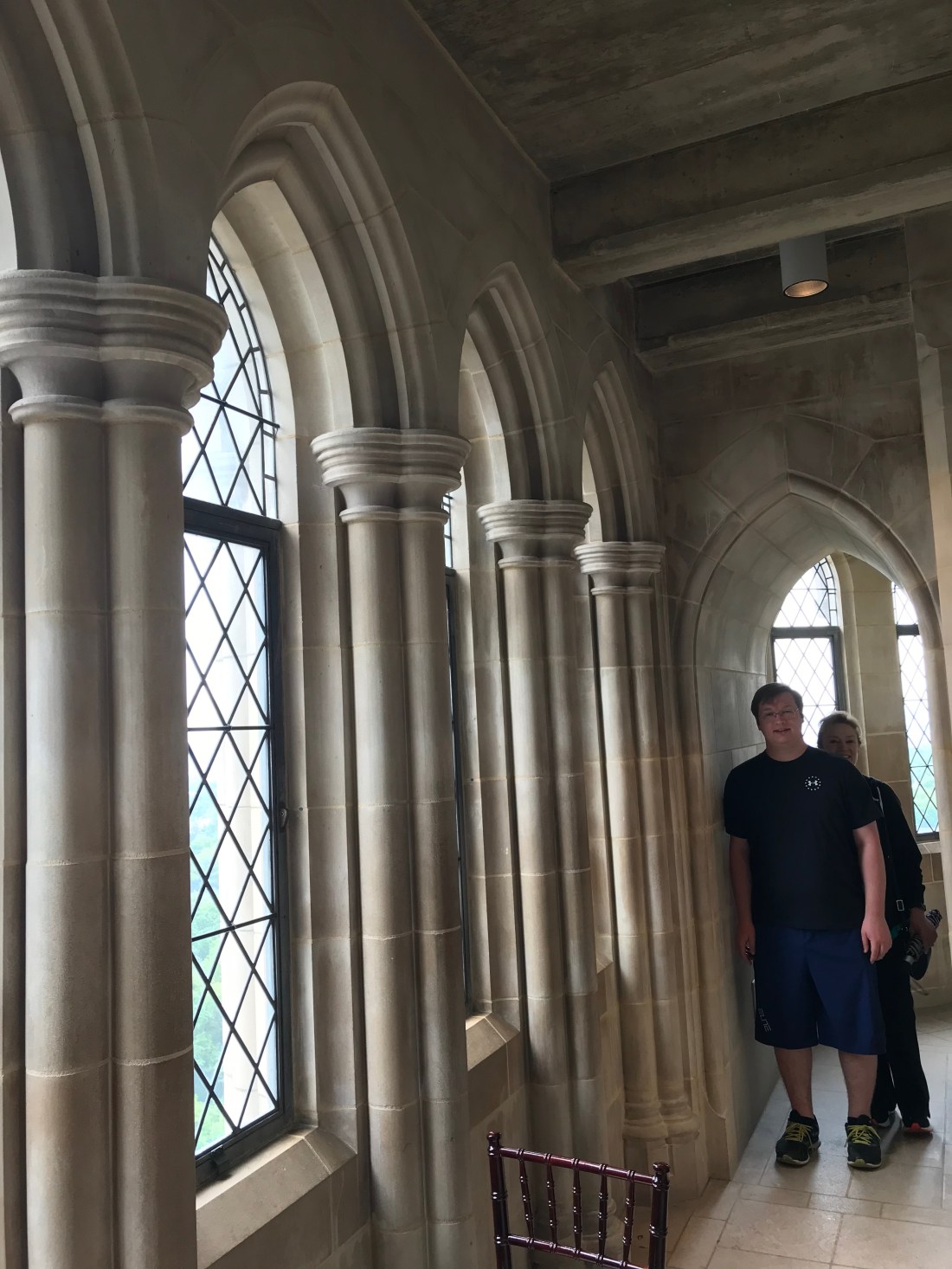


Keep in mind, that this building was build over a period that spanned 89 years, from when President Theodore Roosevelt laid the cornerstone in 1907, to when President George H.W. Bush witnessed the final pinnacle of the Cathedral being placed.
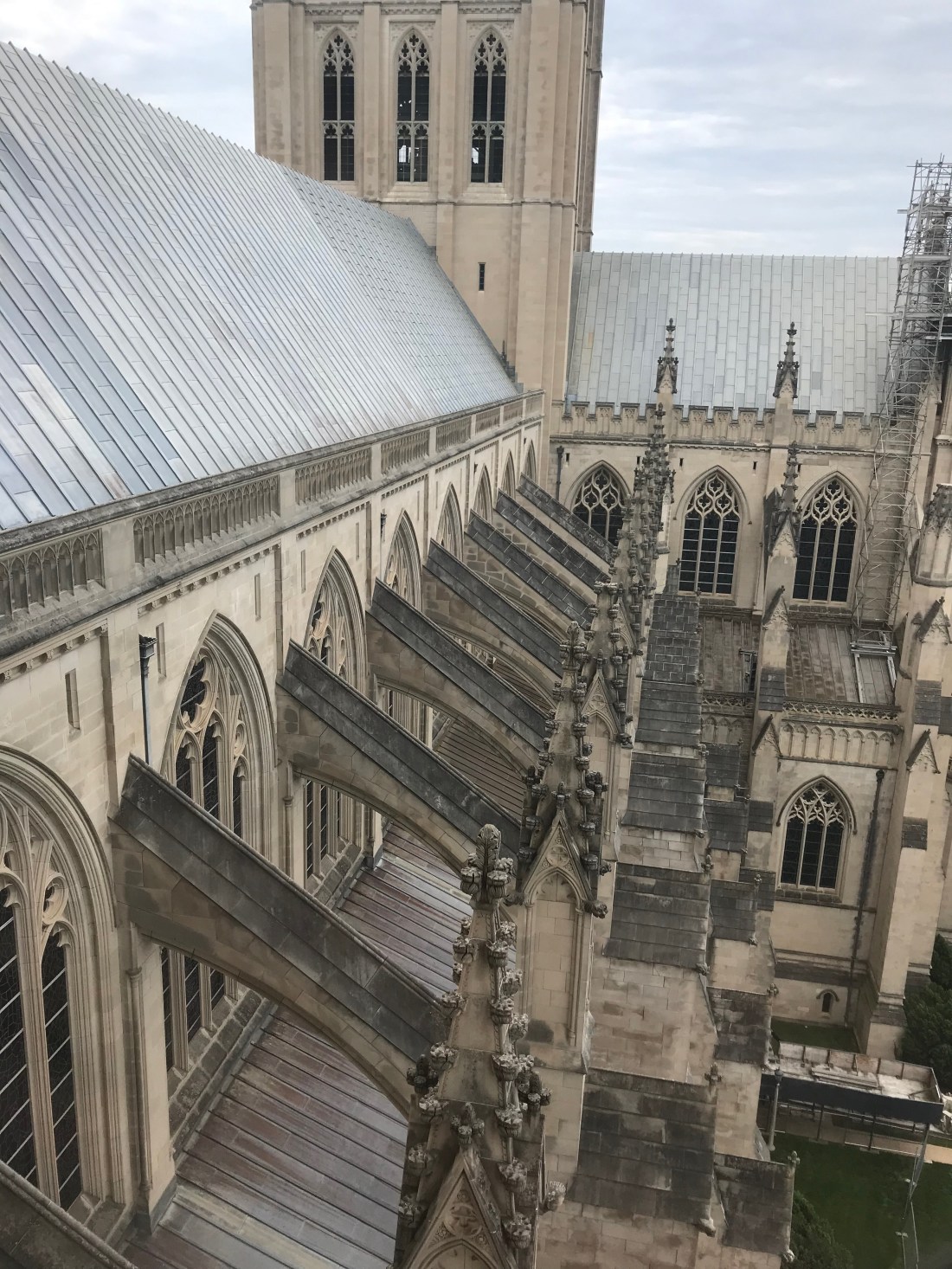

How on earth did they fashion all those knobs on the spires? It would be fascinating to find out.
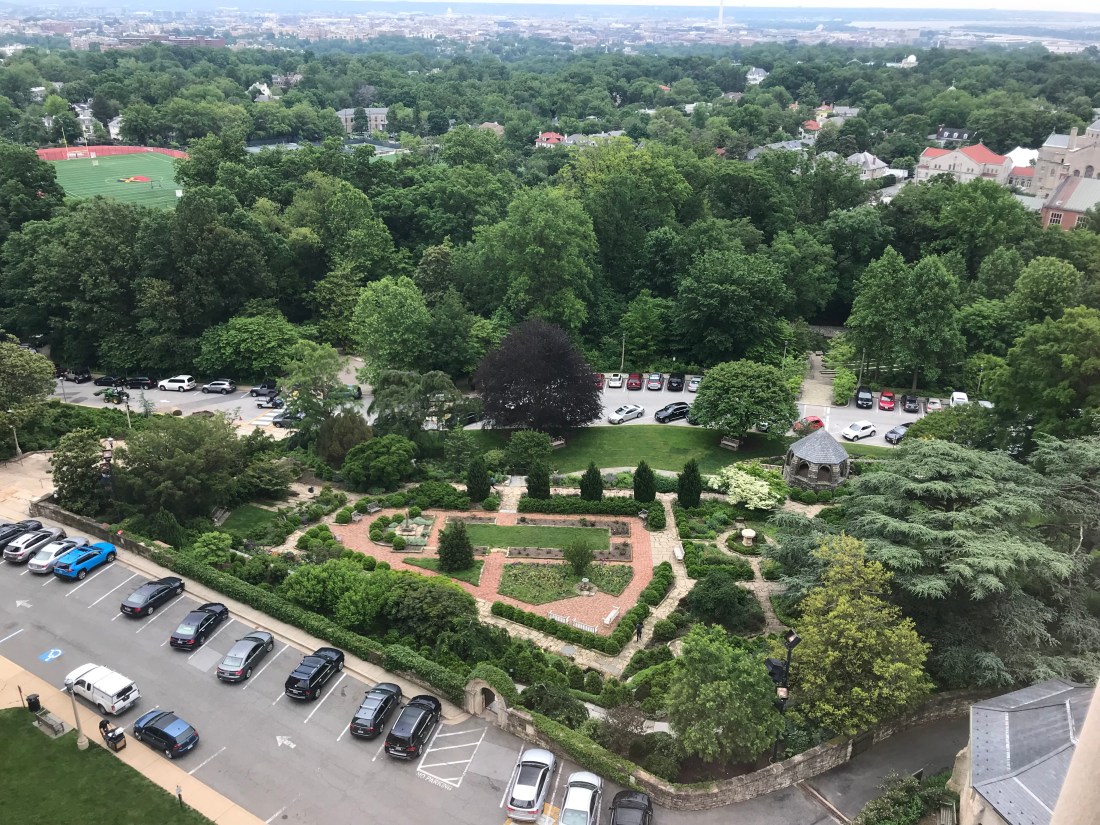
That’s the Bishop’s Garden below us. I bet it has European inspiration of some sort.
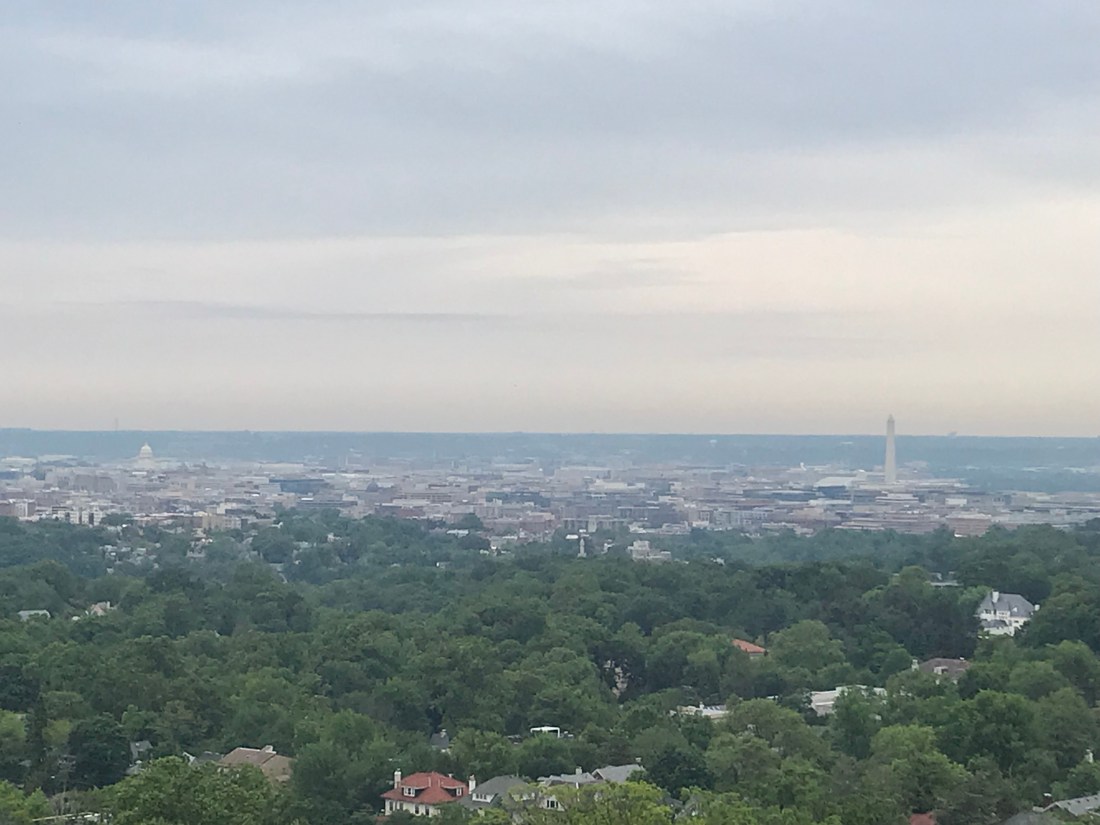
This is a terrific view! See the dome of the Capitol Building on the left, and the Washington Monument on the right?
We then descended down the elevator, and explored the lower levels of the Cathedral.
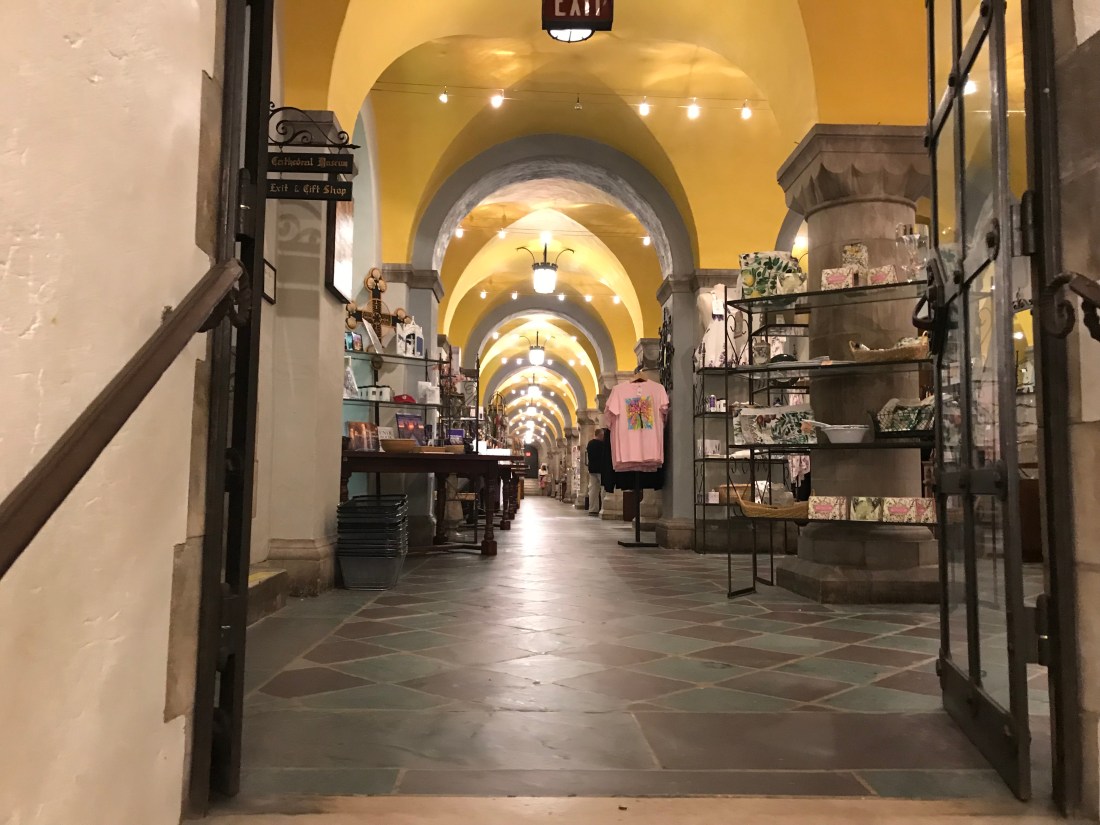
Perhaps the most unique gift-shop we have ever seen, it was very long, and seemed to go on and on..
 The Cathedral has various chapels that meet in its spacious halls. This particular one was pretty large.

And had fitting decorations to accomodate it.

On the foremost-left pillar of this room (3 pictures back), was the actual memorial marker of Hellen Keller, the famous blind literary writer, and her teacher Anne Sullivan. The Braille language that has been put onto the plaque has been much worn over the years, likely by those who still find inspiration in her works.

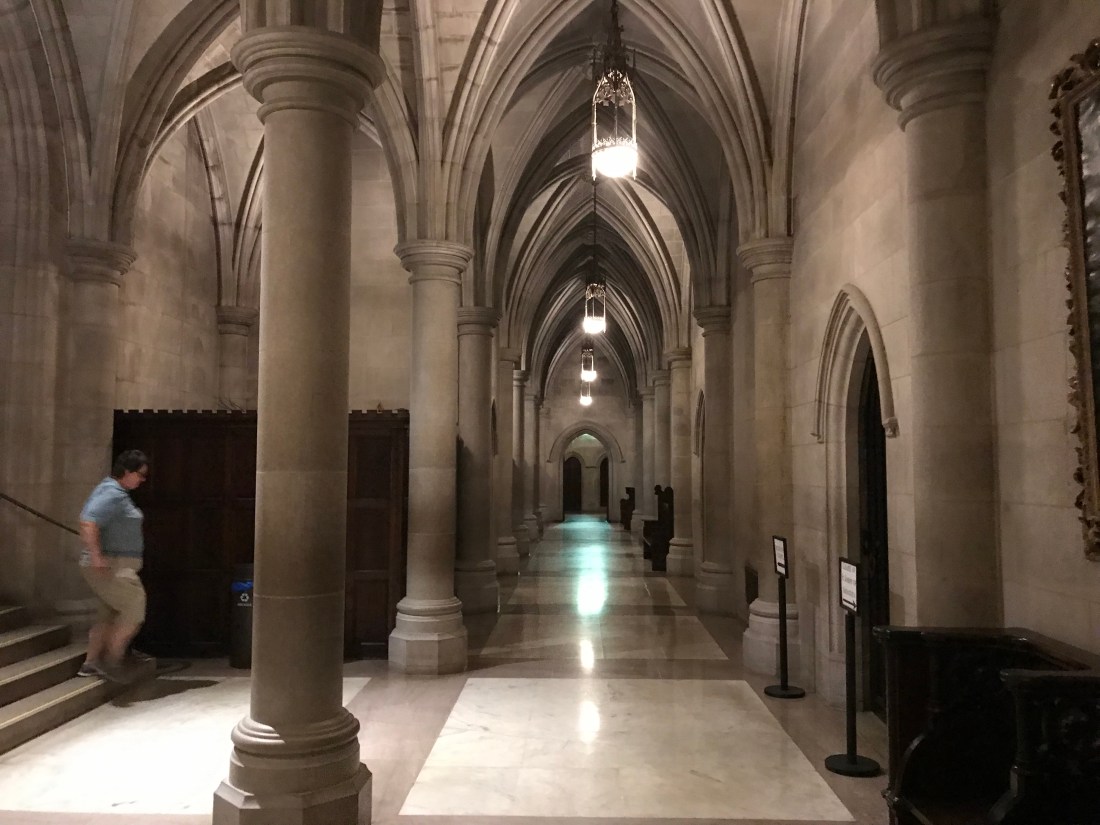
Some of these special crypts and chambers extend far beyond the public view, and since our tour was beginning, we were forced to return upstairs.
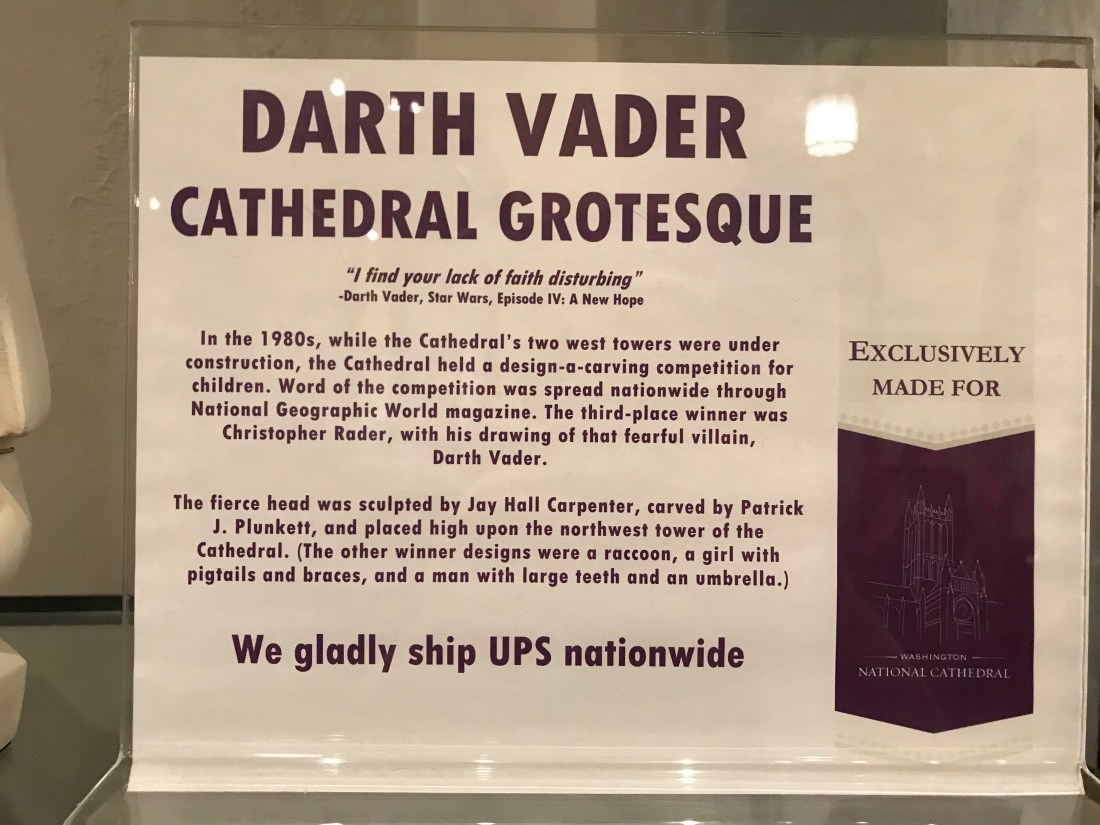
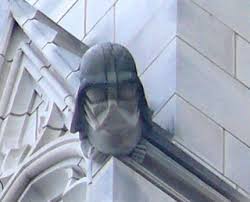
Yes. This is actually a sculpture on the building (the last picture is not mine)!

An actual stone hailing from Mount Sinai, which is said to be where Moses received the 10 Commandments from God. Ironically, a Mosque currently rests on the mountain in the present day.
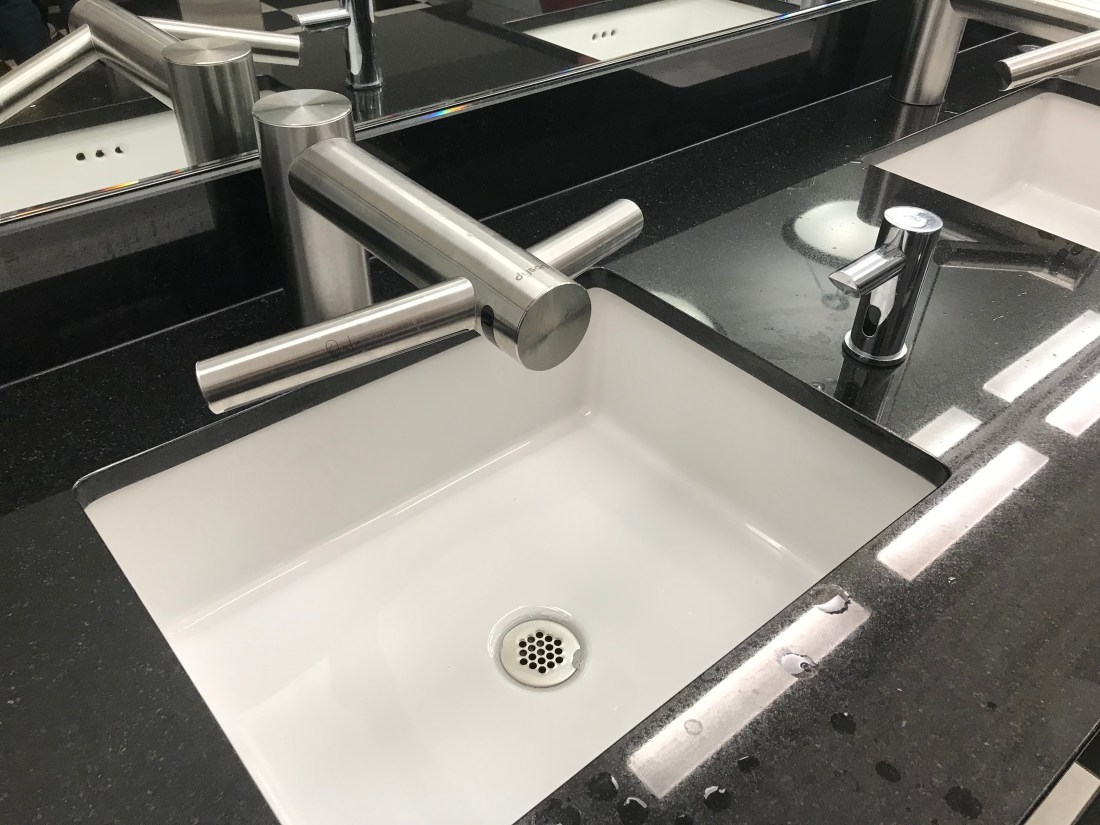
As a side note, I have NEVER seen a sink like this! Where to even begin… those handle like things there are the hand dryers. It’s a clever idea, but I could still never for the life of me figure out how the soap dispenser worked.
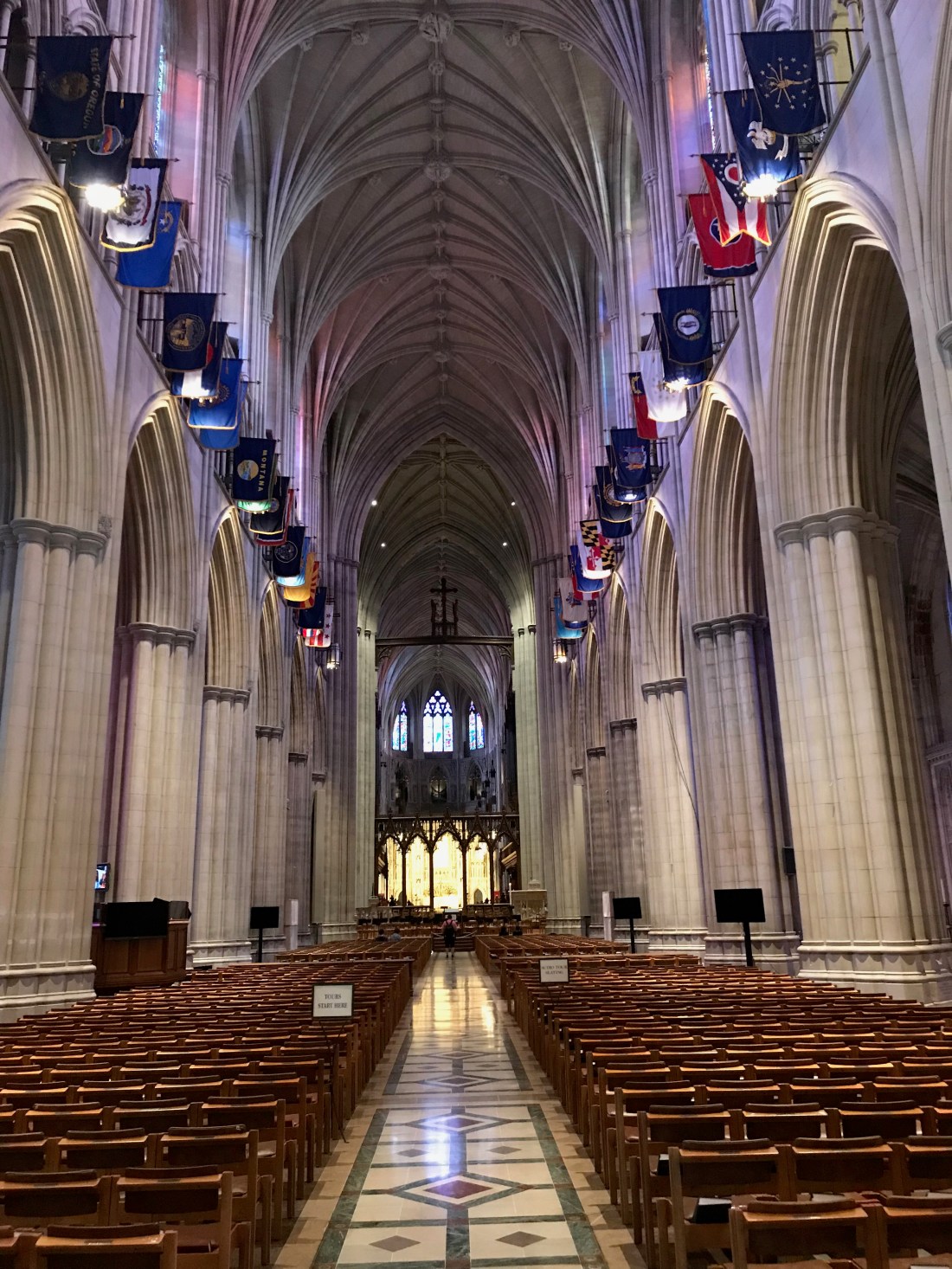
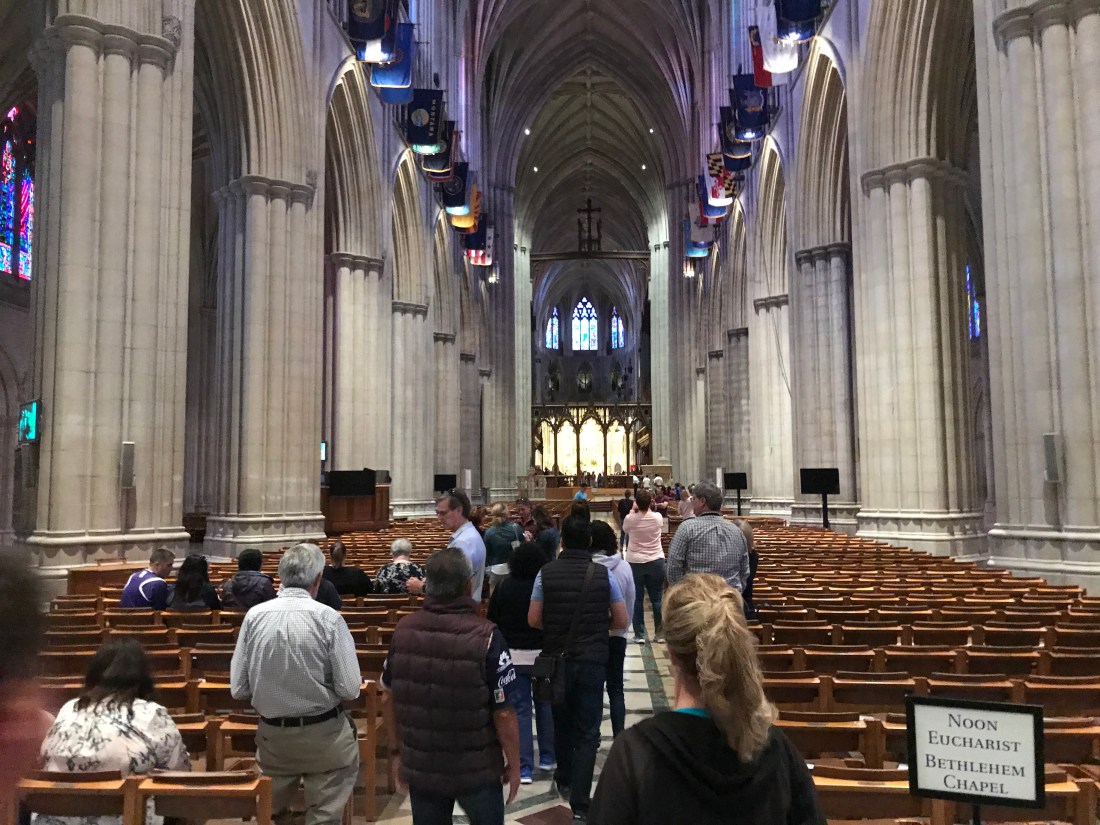 Gorgeous.
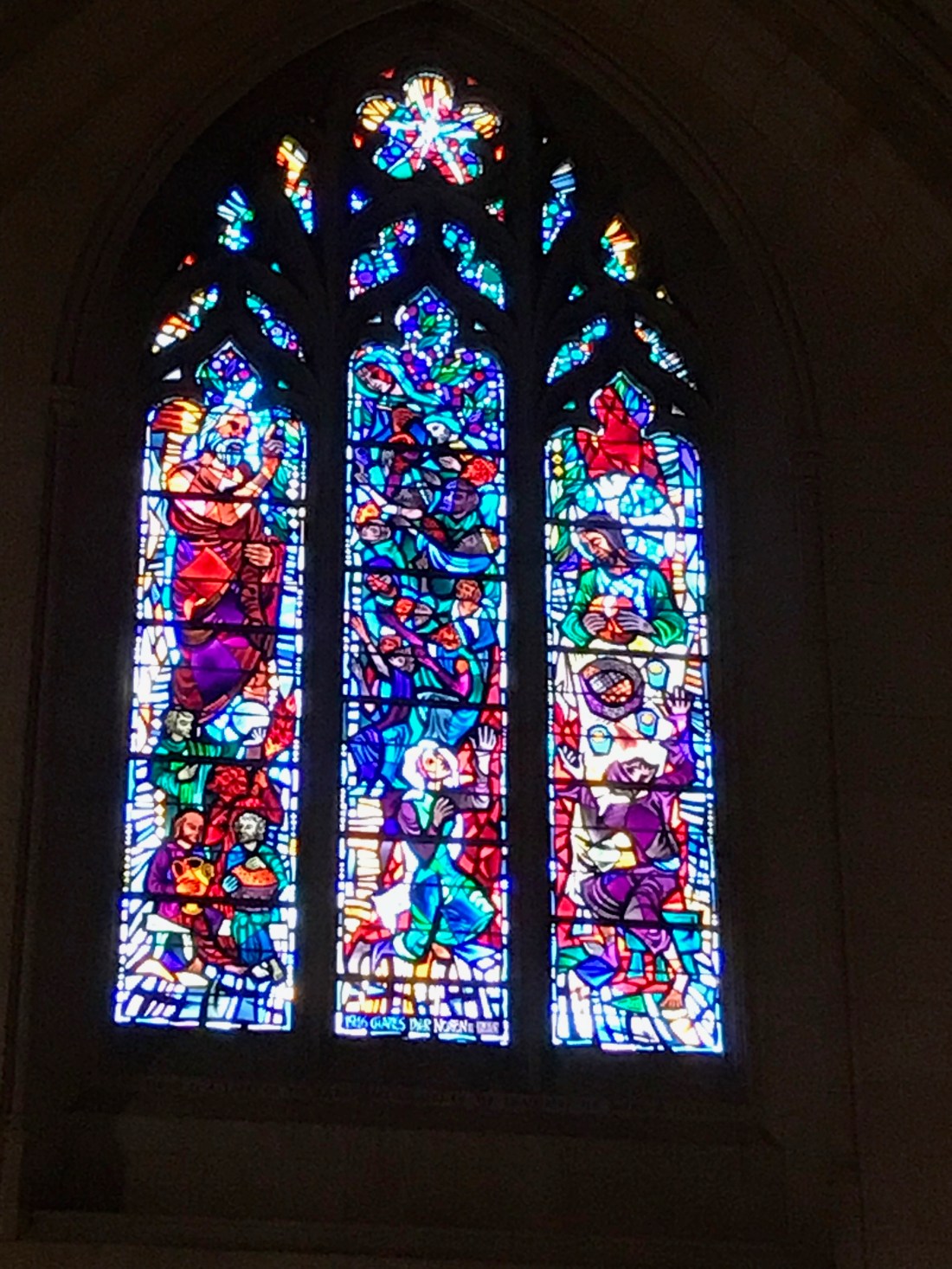


Words can’t describe how beautiful the stained glass windows are, especially with the sunlight shining through them.

This entire front row near the pulpit is reserved for the President of the United States! My dad is sitting where President Trump sat during George H.W. Bush’s Memorial Service here. Next to him sat First Lady Melania Trump, and the first couples of the Obamas, the Clintons, and the Carters.
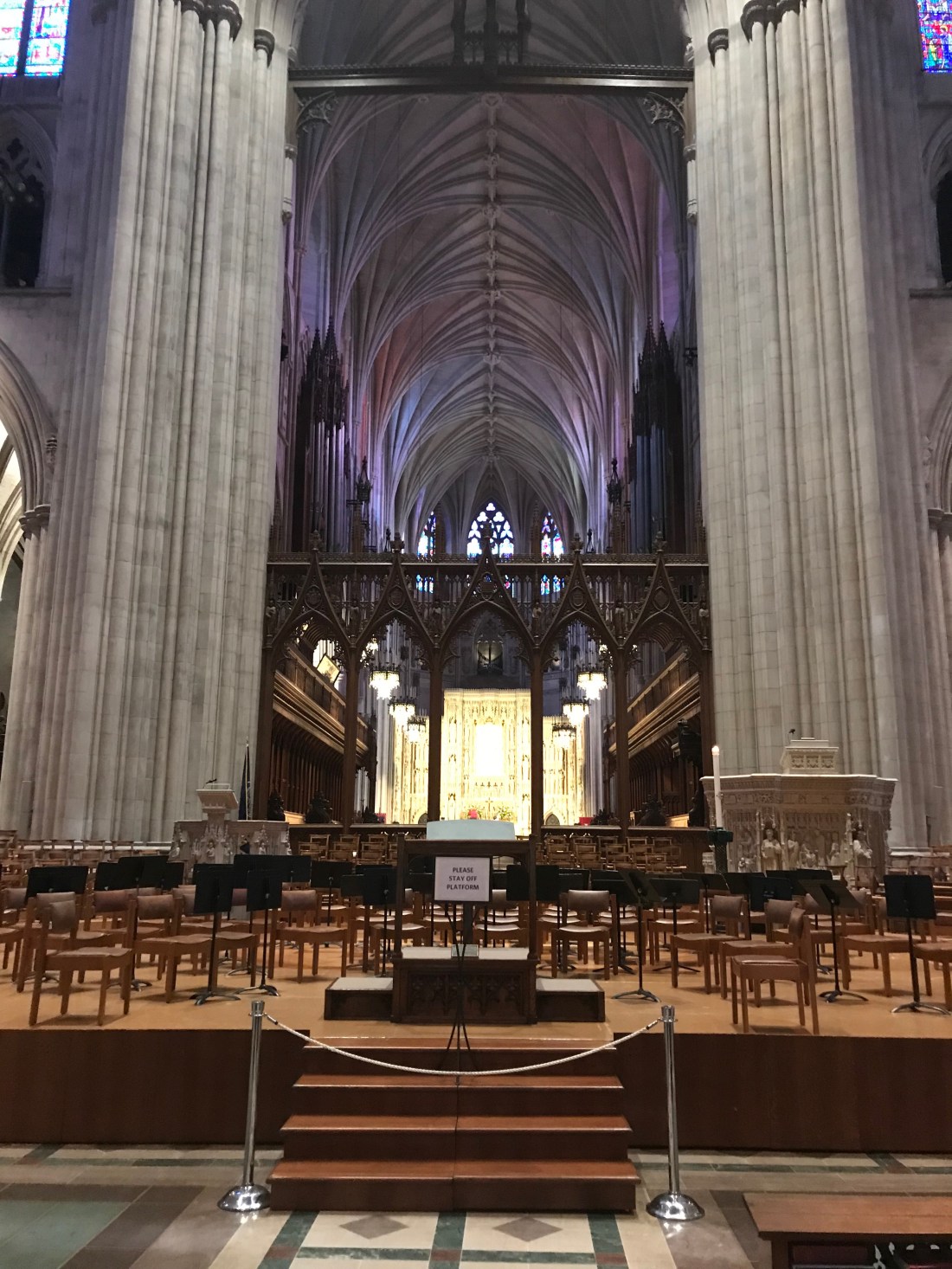
 The main stage/platform of the Cathedral. This is where State Funerals are carried out for the most distinguished individuals, especially Presidents. The people whose coffins have laid in the middle of this platform have included Presidents Eisenhower, Ford, Reagan, Bush Sr., as well as Senator John McCain.

The Canterbury Pulpit, a center relic in the Cathedral, has seen speeches and sermons from highly esteemed people, from the Dali Lama, to Martin Luther King Jr. (who gave his last sermon here before being gunned down in Memphis).
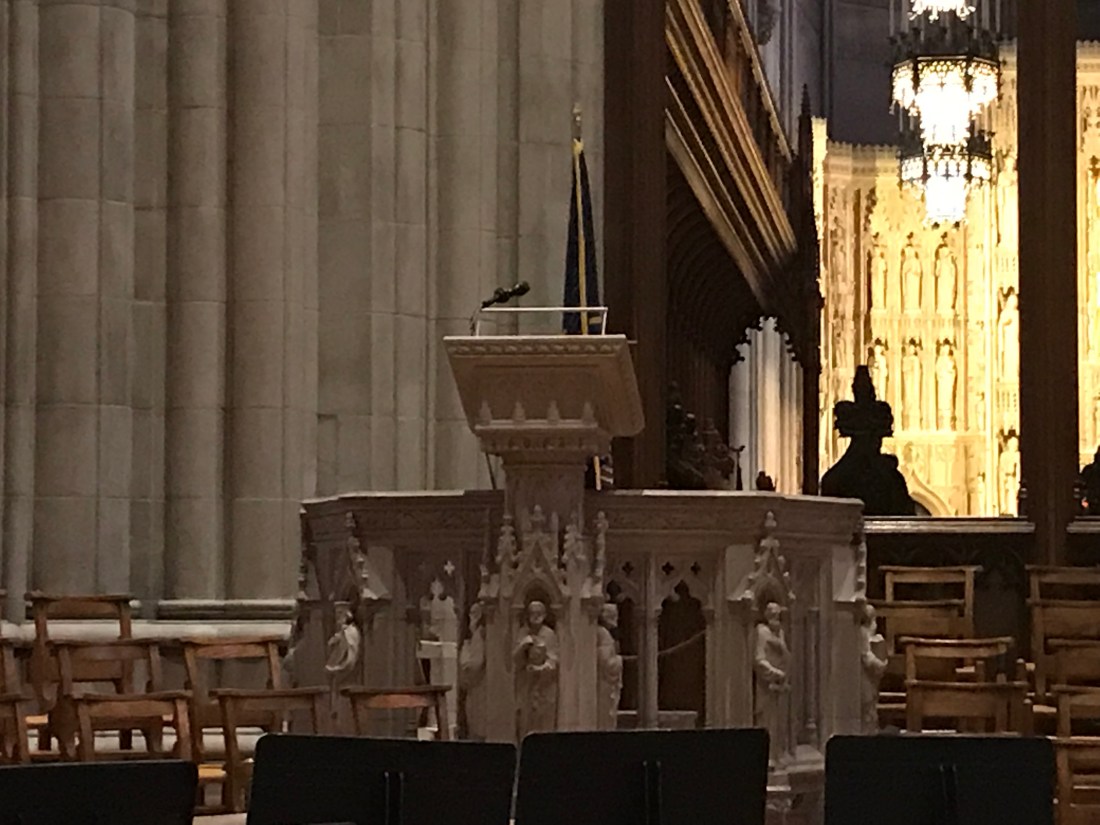
This podium is where eulogists give their speeches in certain events, such as George W. Bush did at his father’s funeral last December.

Another side chapel is this one, which is dedicated to Veterans from all over. A neat feature of this room is the presence of a catalog of all the names of every single soldier that stormed the beaches of Normandy during the D-Day invasion. It’s little touches like that that go a long way.

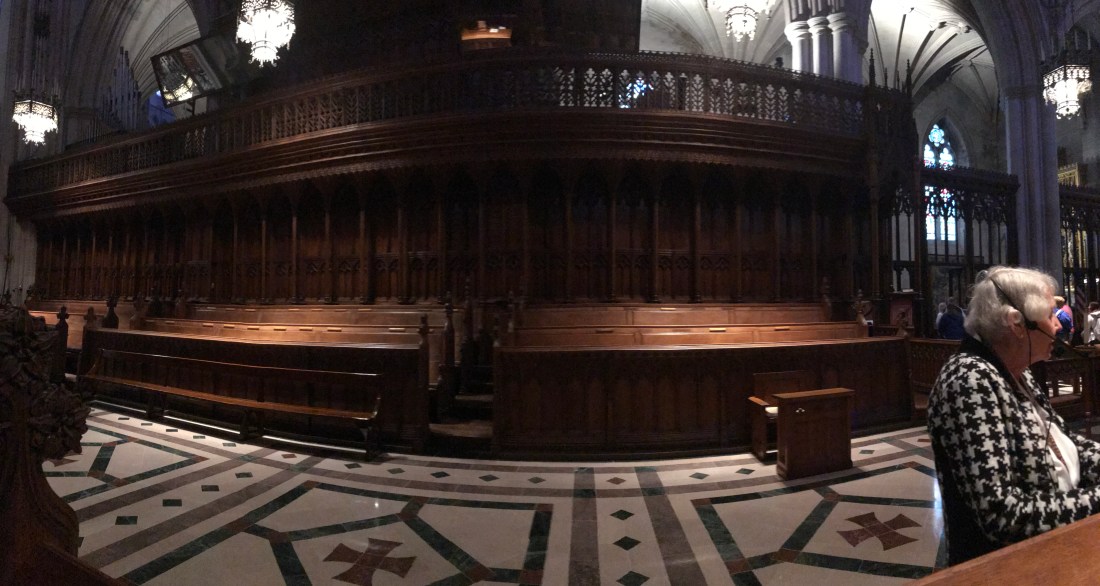

The choir aisles were adorned with special detail and intricacy. Pipe organs could be seen everywhere, likely as outlets for the larger one somewhere.

And this, well… I just don’t know what to say. It’s absolutely beautiful. That florist in front of the altar is one of many who’s sole job is to ensure that the flower arrangements are as fresh as they can be.
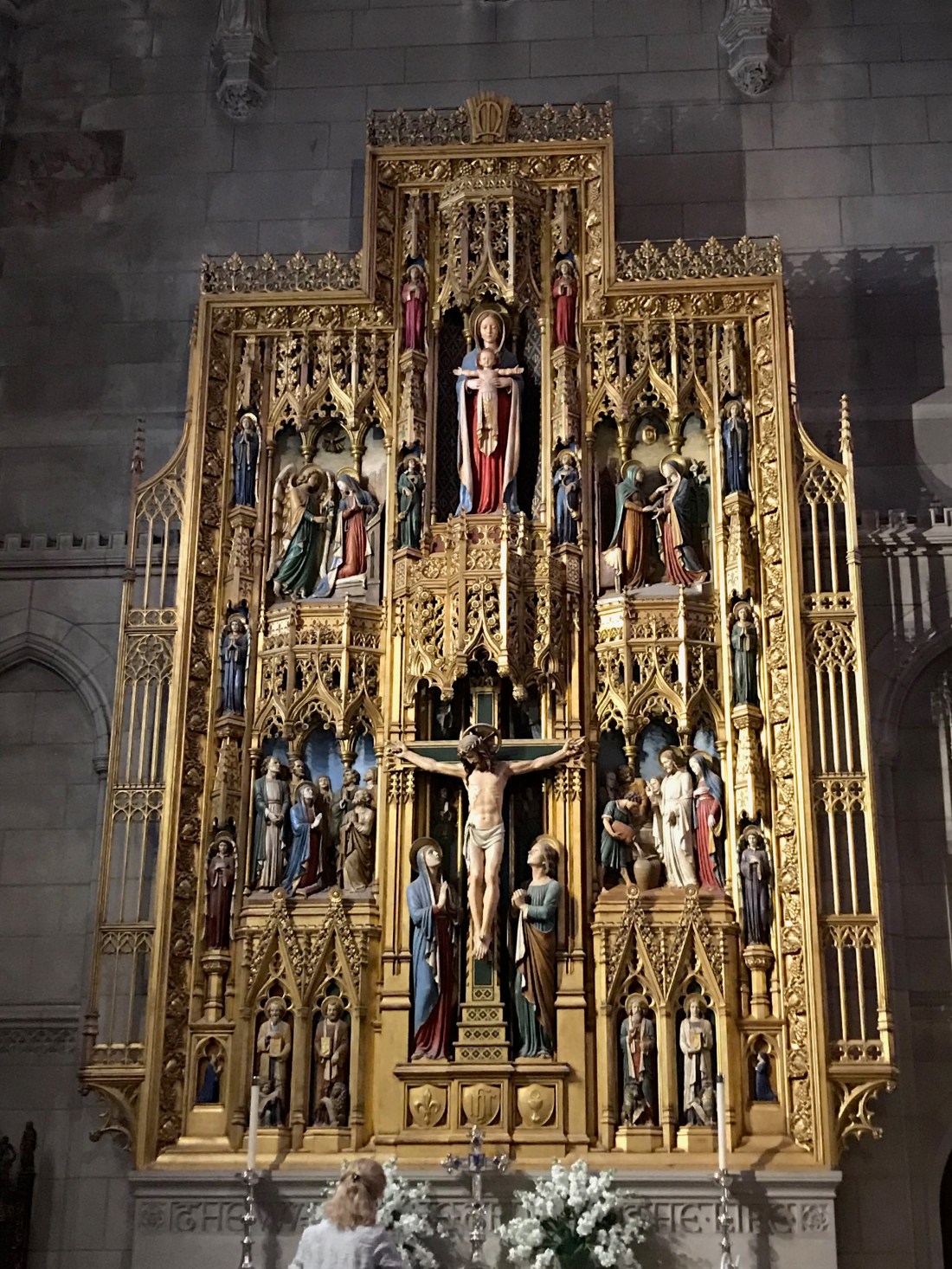
Another detailed altar, depicting the crucification of Jesus.
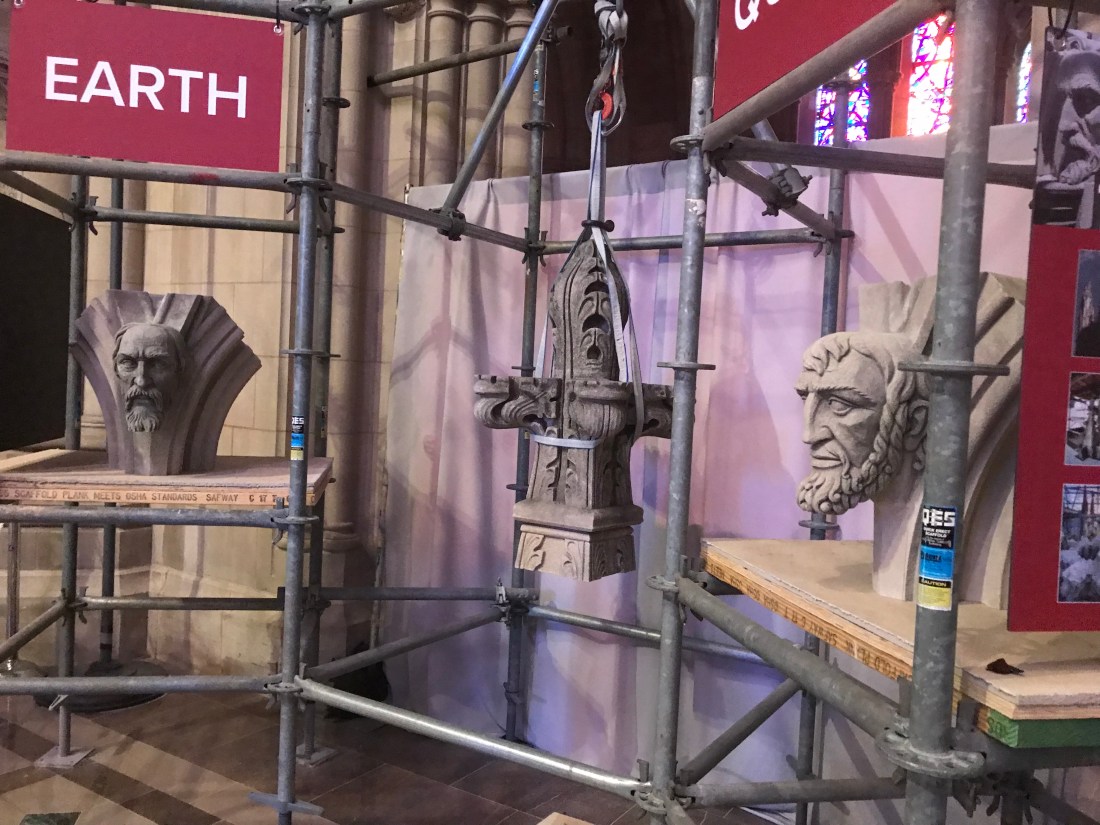
These stone pieces used to be a part of the pinnacle of the Cathedral, preceding the 2011 Earthquake. It’s a marvel that much of the stone shapes managed to survive the fall.

A statue of Abraham Lincoln,

And a statue of George Washington. Who could say how many things are named after Washington? He has a state, a holiday, a district, and who knows what else…
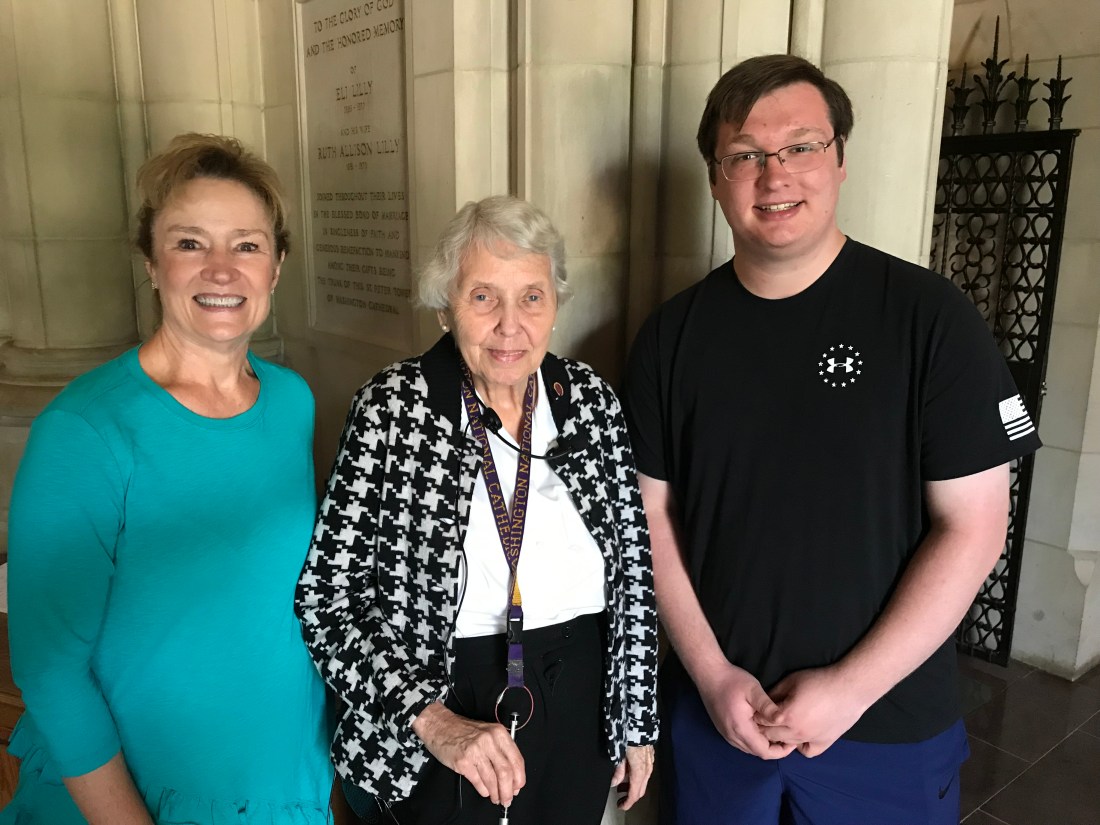
Us with our tour-guide, who was the sweetest lady you could imagine. Having worked at the Cathedral for over 44 years, she can remember some of the most vivid events that occurred here, including Presidential Visits, State Funerals, and visits by Queen Elizabeth II herself!
Many were the smaller figures that we found around the Cathedral, including…

Mother Teresa,

Rosa Parks,

And Eleanor Roosevelt.
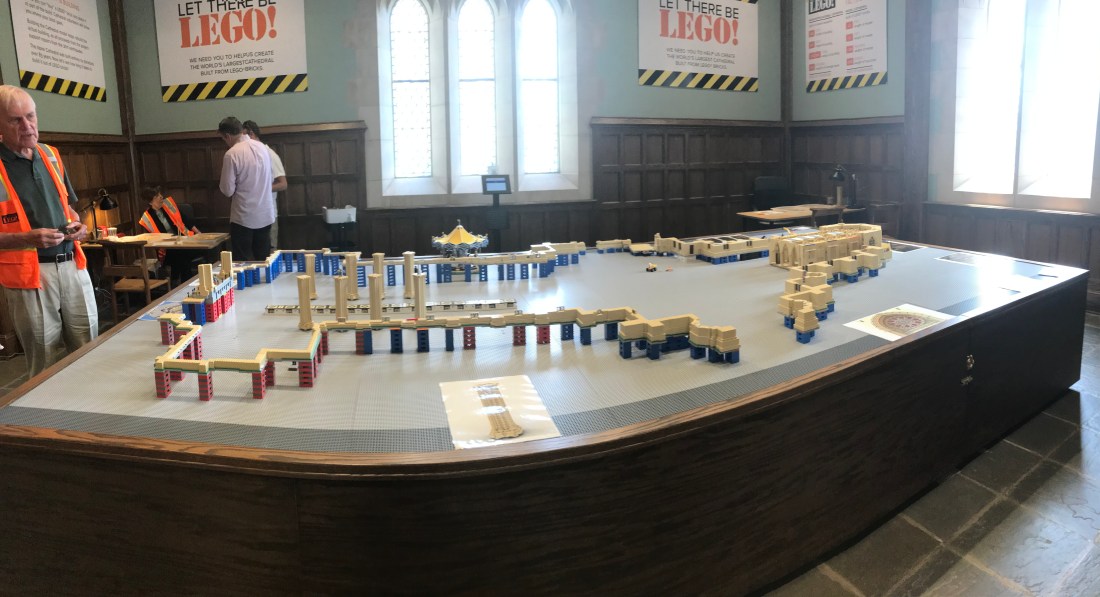
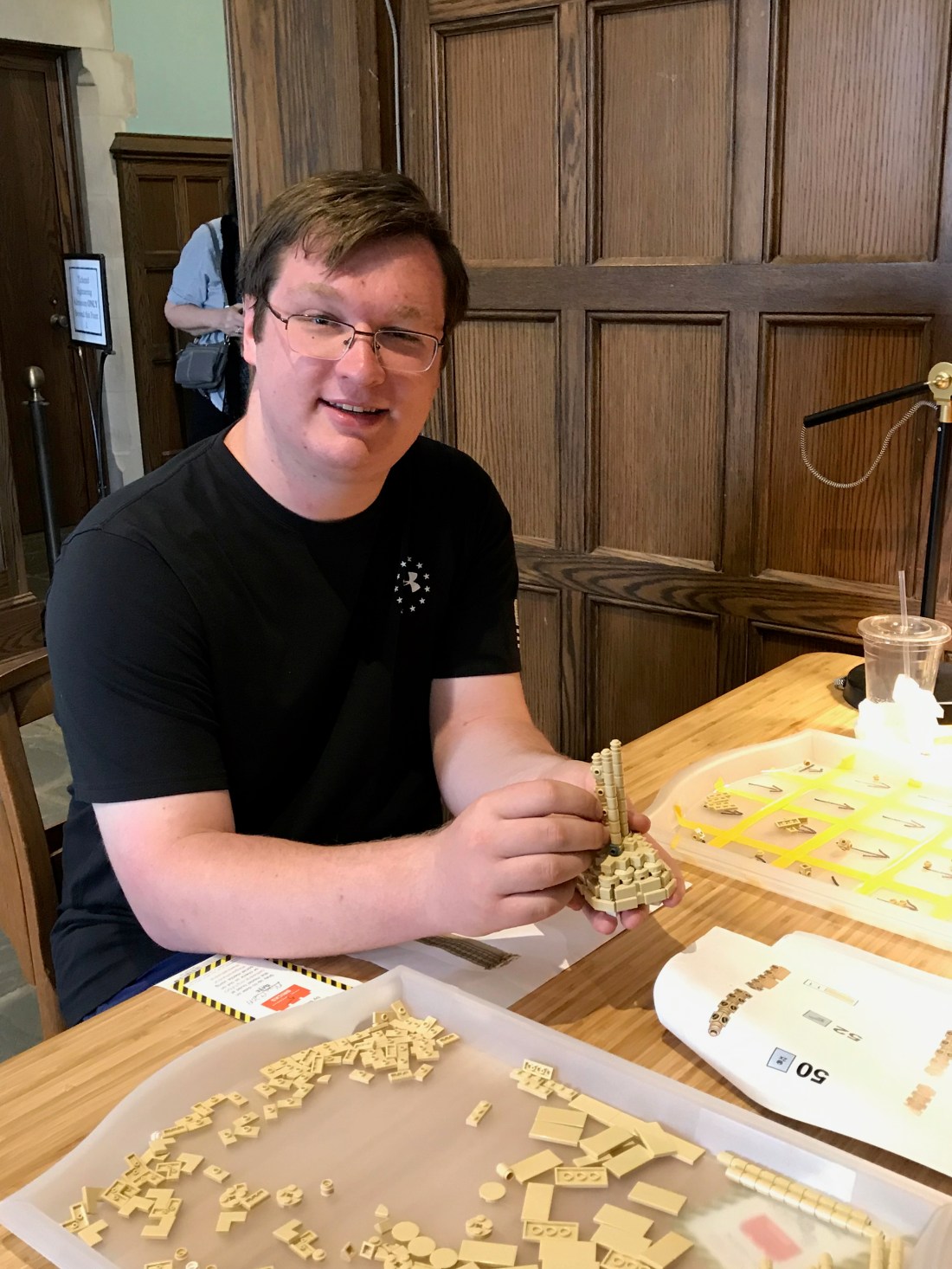
In the gift-shop was the massive framework of a Lego Washington National Cathedral! In a clever method to raise money for the earthquake repairs, one can donate money to add bricks to the structure, and when it is finished in about 2-3 years, it will be the largest Lego Cathedral/church in the world!
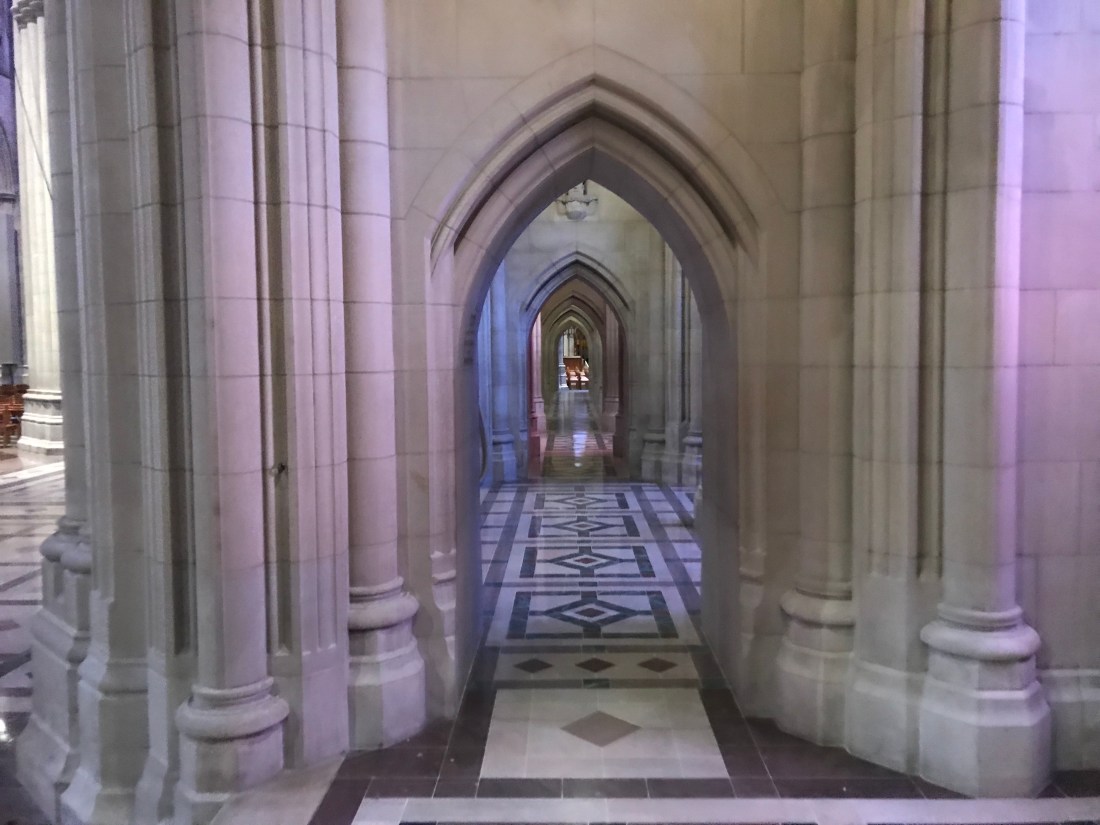
However, even with all of the magnificence of this building, there is still one last landmark to see, and my primary goal for this place…
That’s right, A U.S. President is buried here.
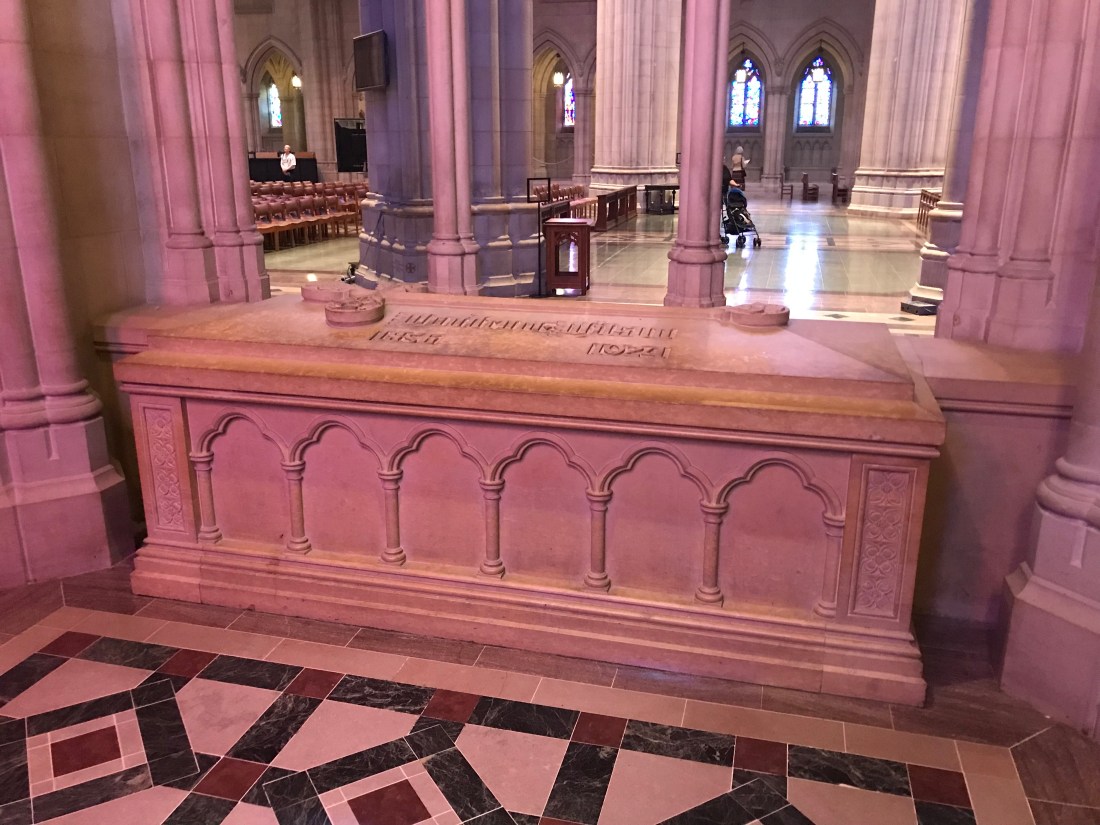
Or perhaps I should say, “entombed.”
This is the tomb of Woodrow Wilson, our 28th President of the United States. Mr. Wilson was the one to lead us through World War I, and helped establish the Federal Reserve, Woman Suffrage (via the 19th Amendment), and the precursor to the United Nations, “The League of Nations”.


Woodrow Wilson is the only President buried in the District of Columbia, and the only one buried outside of a regular state. Note the cross on his tomb.
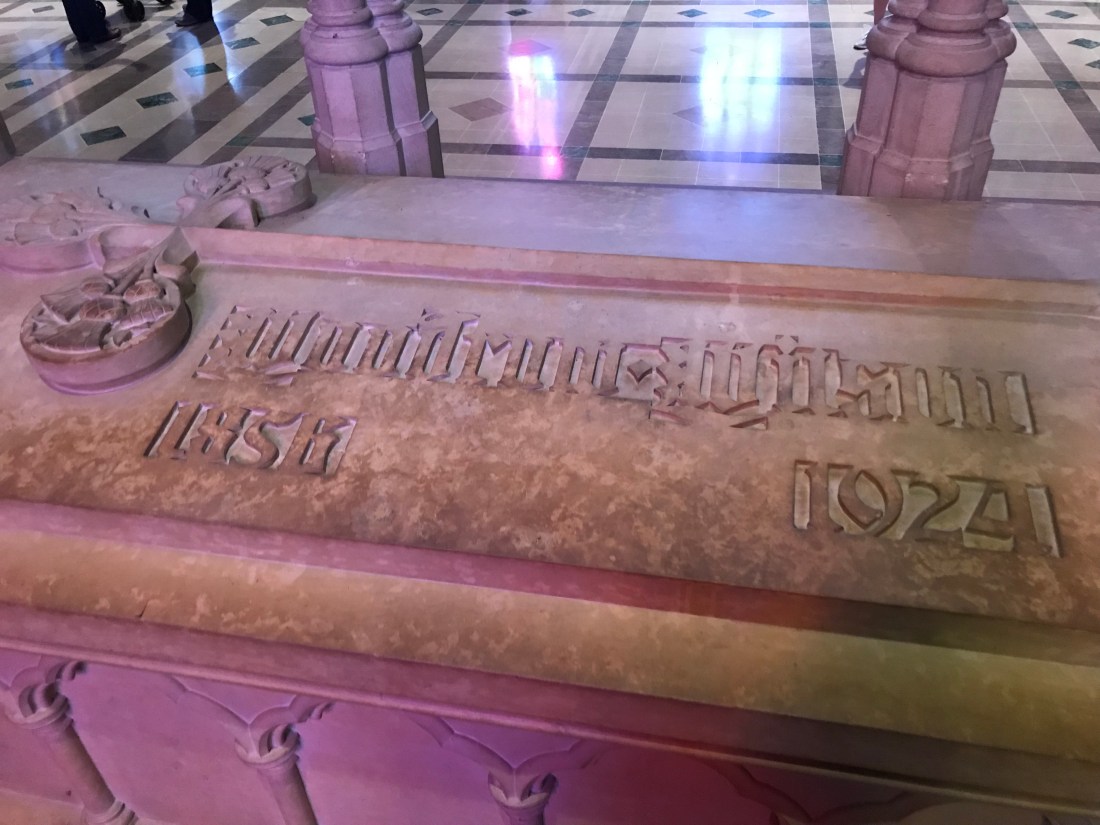
It’s hard to read, but it’s in the traditional gothic text that was popular back then.

On the nearby wall was this memorial marker to Edith Wilson, his second wife. The couple dearly loved one another, and Woodrow Wilson was a very romantic sort of man.
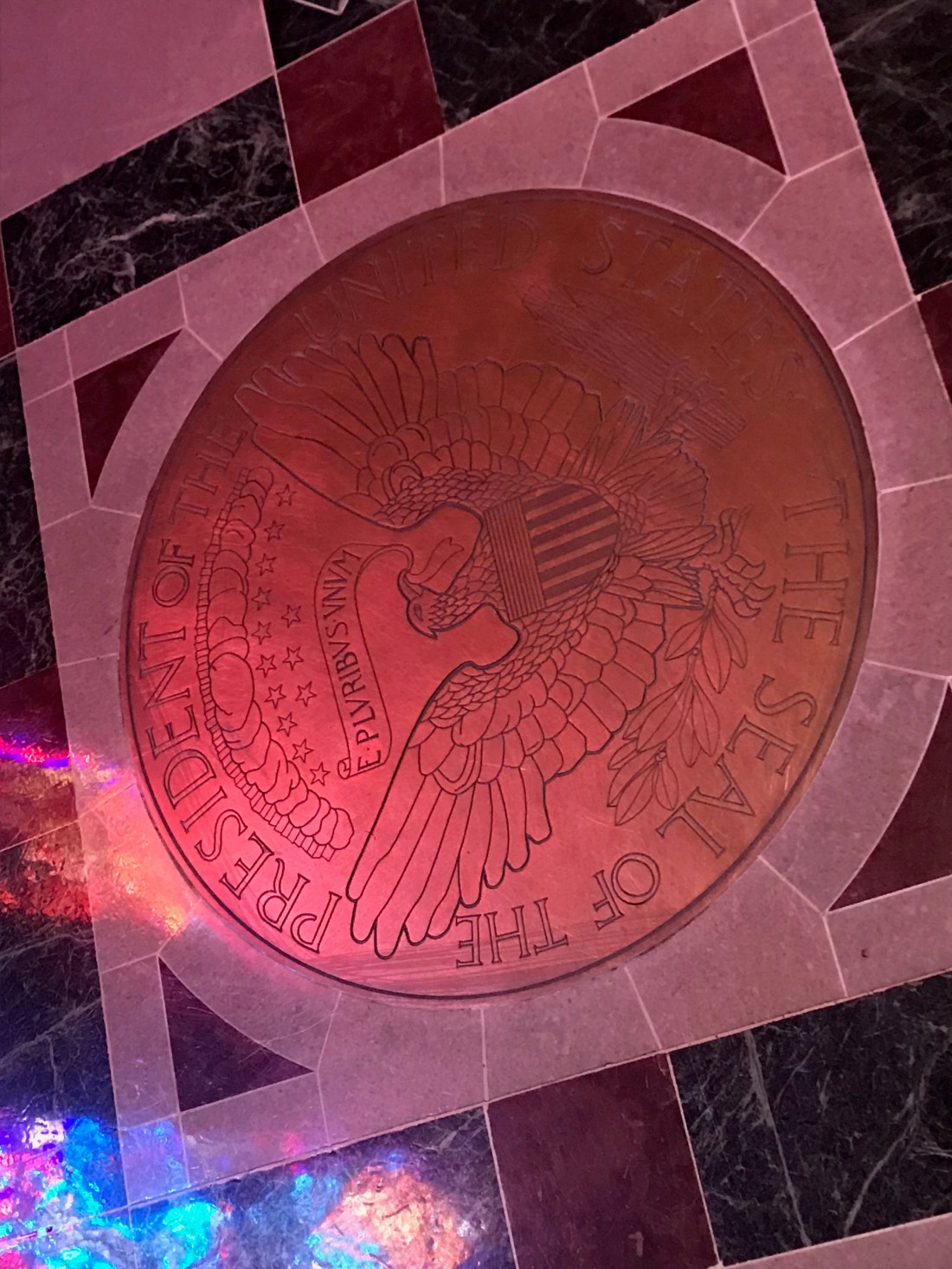
The official seal of the President was on the ground. Nearby were the flags of the United States and New Jersey, his home state.

This beautiful stained glass window in this bay represents the time that Wilson served in. The yellow window represents Peace, the blue window represents Forgiveness, and the right window represents the desolation of war and strife.
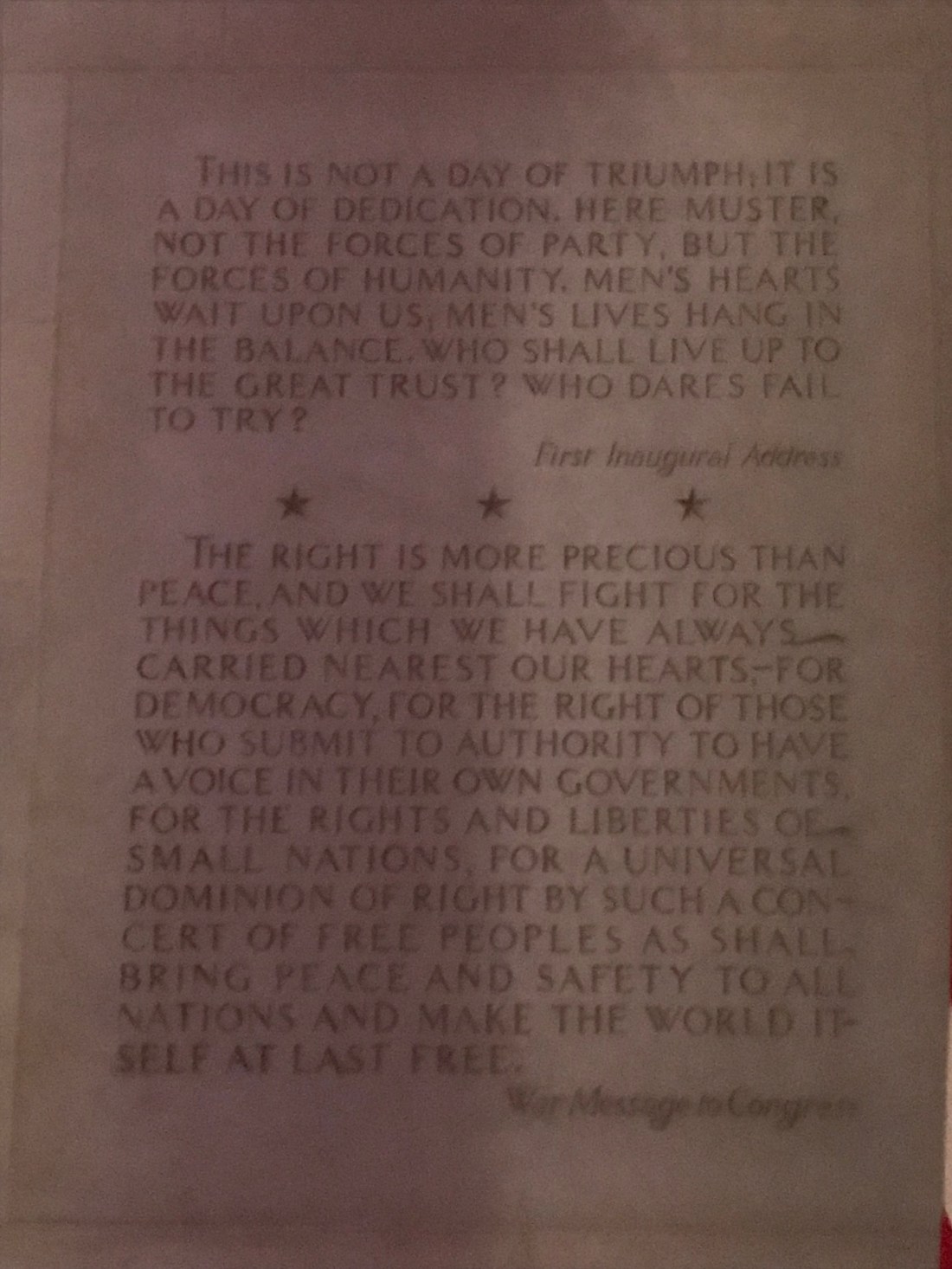
Woodrow Wilson wrote all of his own speeches… his skills as an academic were terrific.
We stepped outside to take some final pictures, AND eat at the nearby cafe.

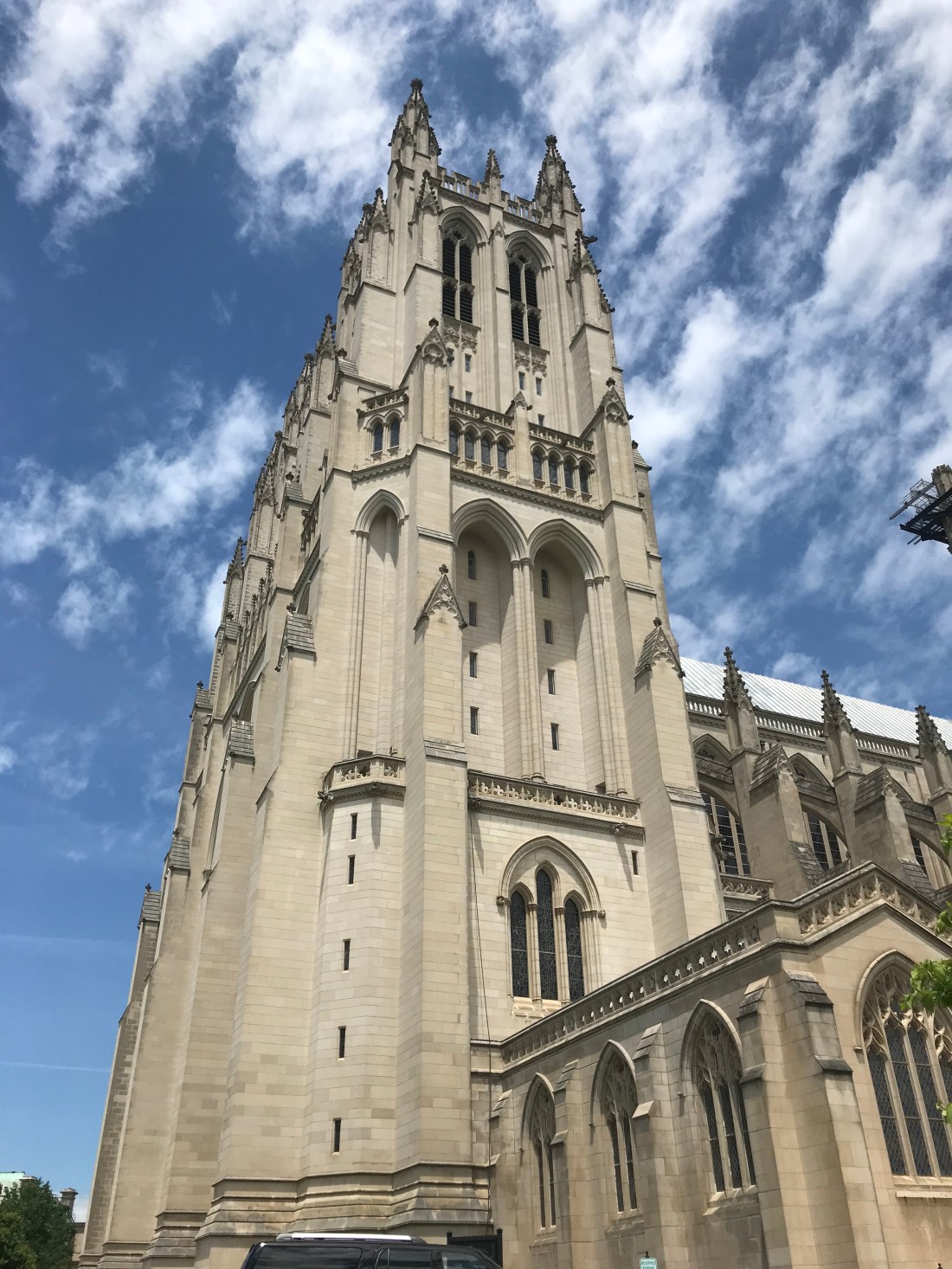
Even if it is damaged, the structure is still as impressive as can be.
For a brand new destination, this Cathedral exceeded all of our expectations, and left a profound impact upon us. Few sights are as moving as the vivid colors of the stained glass windows, or the height of the pillars, or just all of the experiences that this place has hosted over the years. It is a place that has united in the past, and with hope (and a bit of funds to boot), it will continue to do just that.
Woodrow Wilson House/Kalorama
A long walk away, in nearby Georgetown (a village in D.C.), is the neighborhood of Kalorama, which is one of the most prestigious neighborhoods in the entire country. The value of these houses number in the millions of dollars, and is home to some equally prestigious people. Namely, Jeff Bezos, Ivanka Trump, Jared Kushner, and even Barack and Michelle Obama, among others. Located near Embassy Row (a street lined to the brim with Foreign Embassies and Residences), Kalorama is a place that is both beautiful and exotic, showing the finest houses that money could buy. It has also been a haven for Six different presidents over the course of History. One of those presidents is Woodrow Wilson, whose house is open as a museum.

The sidewalks here provide such ample shade and walking opportunities.

One of the various Embassies here. Any Embassy or Ambassador Residence is marked with a seal above it’s door.
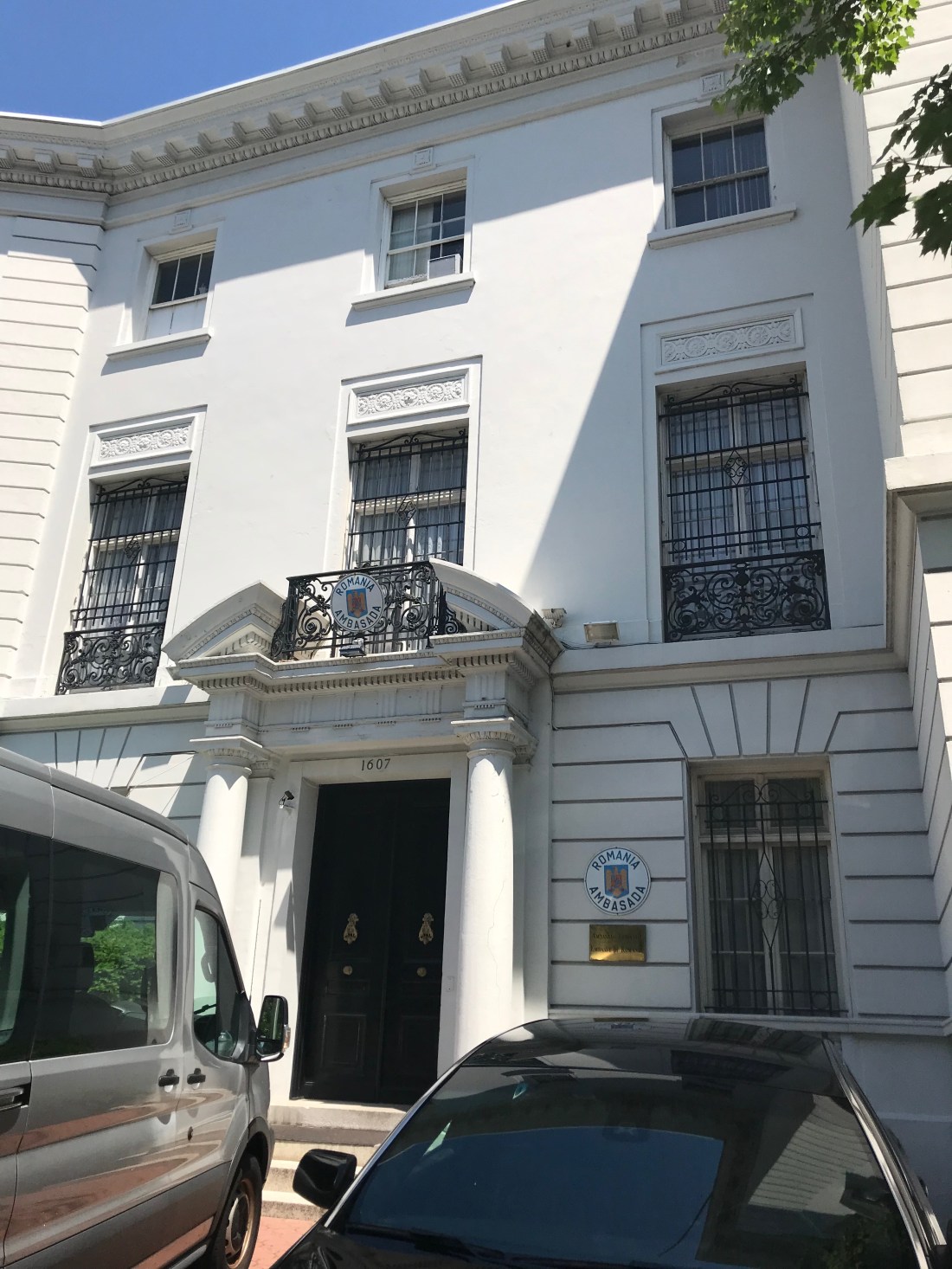
And this is the Ambassador of Romania’s residence.
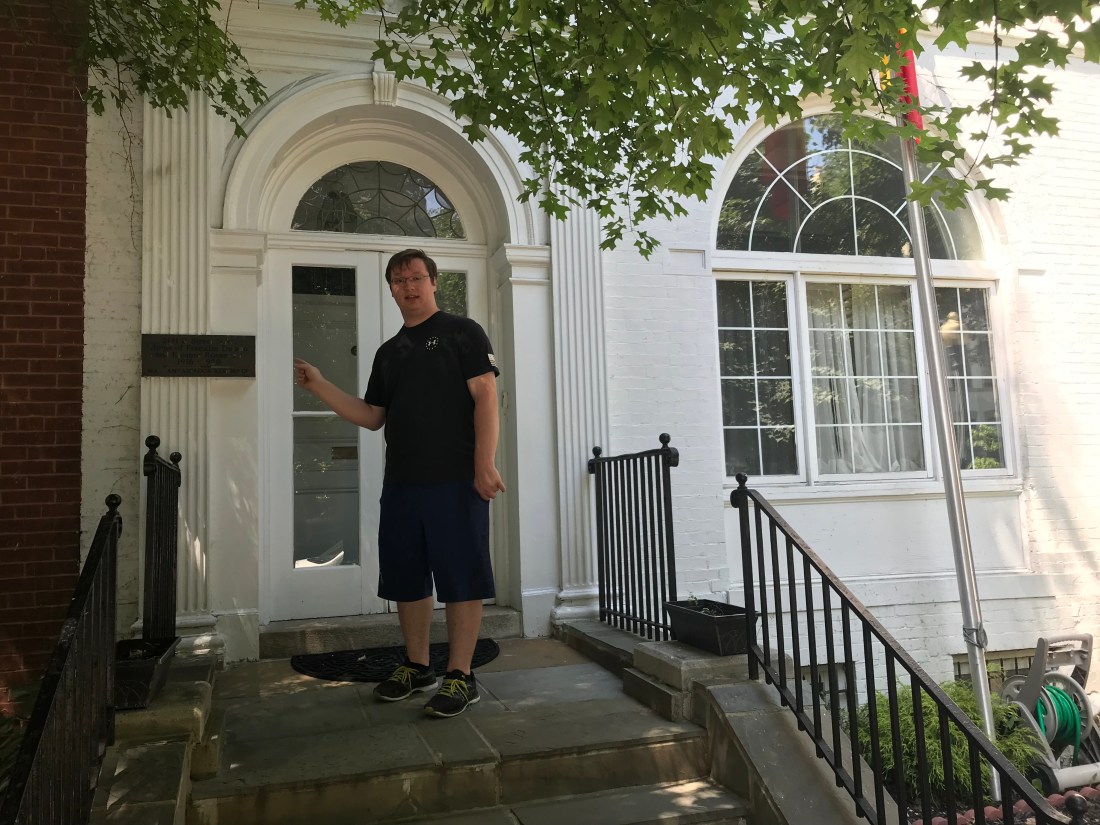
 Franklin D. Roosevelt lived in this house from 1916 to 1920. It’s now the residence of the Ambassador of Mali.
Other presidents that have lived here include Herbert Hoover, Warren G. Harding, and William Howard Taft.

These “Spanish Steps” were modeled after the stairs of the same name located in Rome. A quick jaunt up the steps and down the road led us to our next destination…

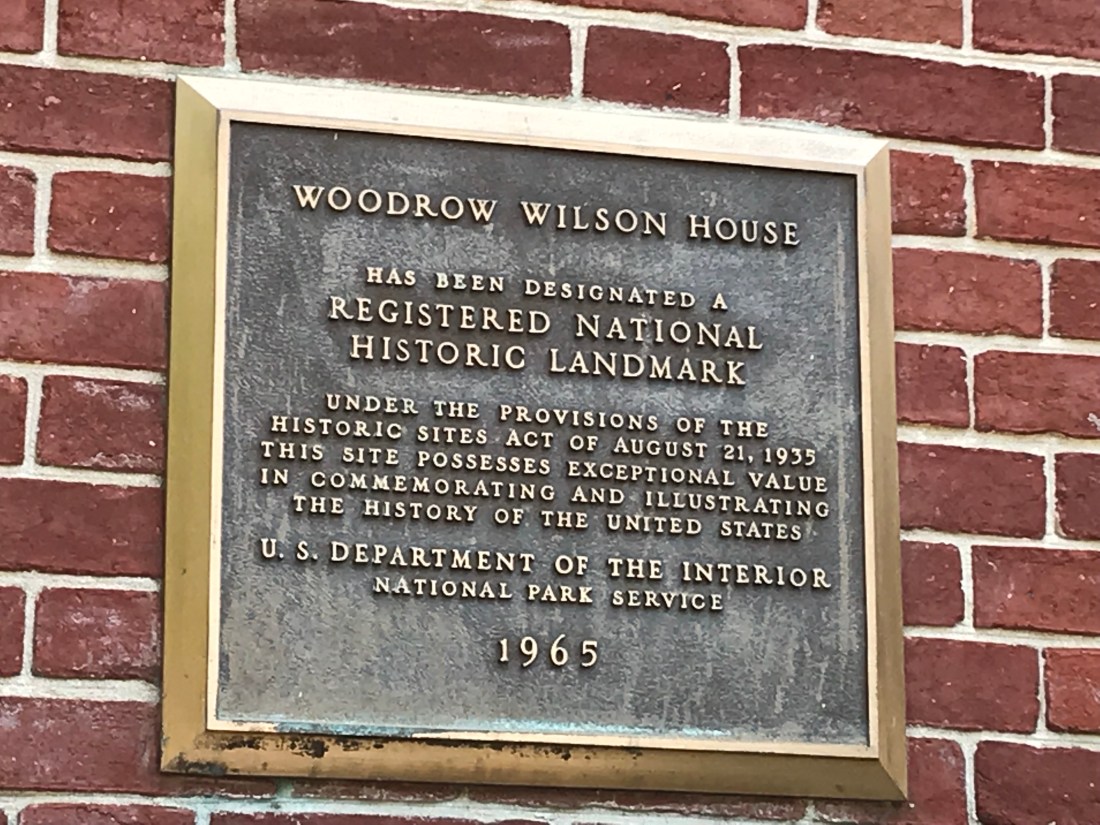
This house was purchased by President Wilson in 1920, (a year prior to his leaving office), as a gift to his wife Edith. Though Wilson only lived for three years afterwards (dying in 1924), his wife Edith lingered on for 37 years, devoted to keep his memory alive, and bequeathing the entire estate for Historical Preservation. It now serves as the only Presidential Museum in Washington D.C. (other than the White House of course).
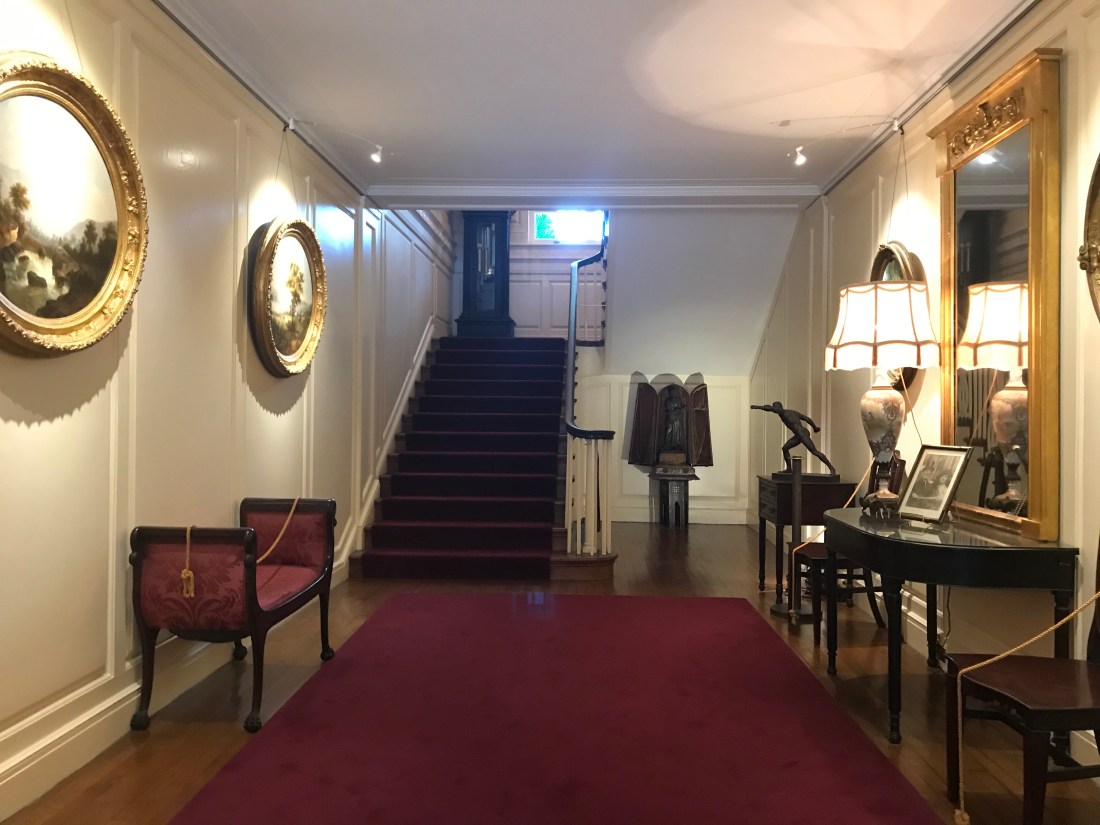
Entering the main hall of the house, we noticed right away that most of the items in the house were 100% originals, including the wooden floors. He received special guests here, such as British Prime Minister David Lloyd George, and French Prime Minister Georges Clemenceau.

And here is the couple themselves! Woodrow dearly loved Edith, and really couldn’t function without her loving and nurturing spirit.
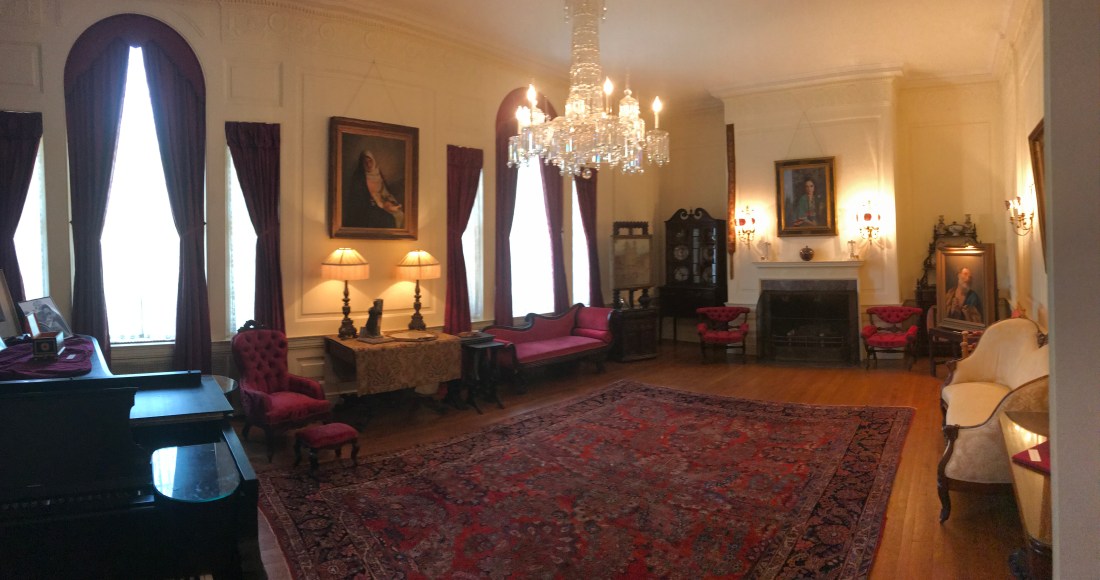
The parlor room of the house, on the second floor, is often where guests would be received by the President, and where receptions or gatherings would occur.
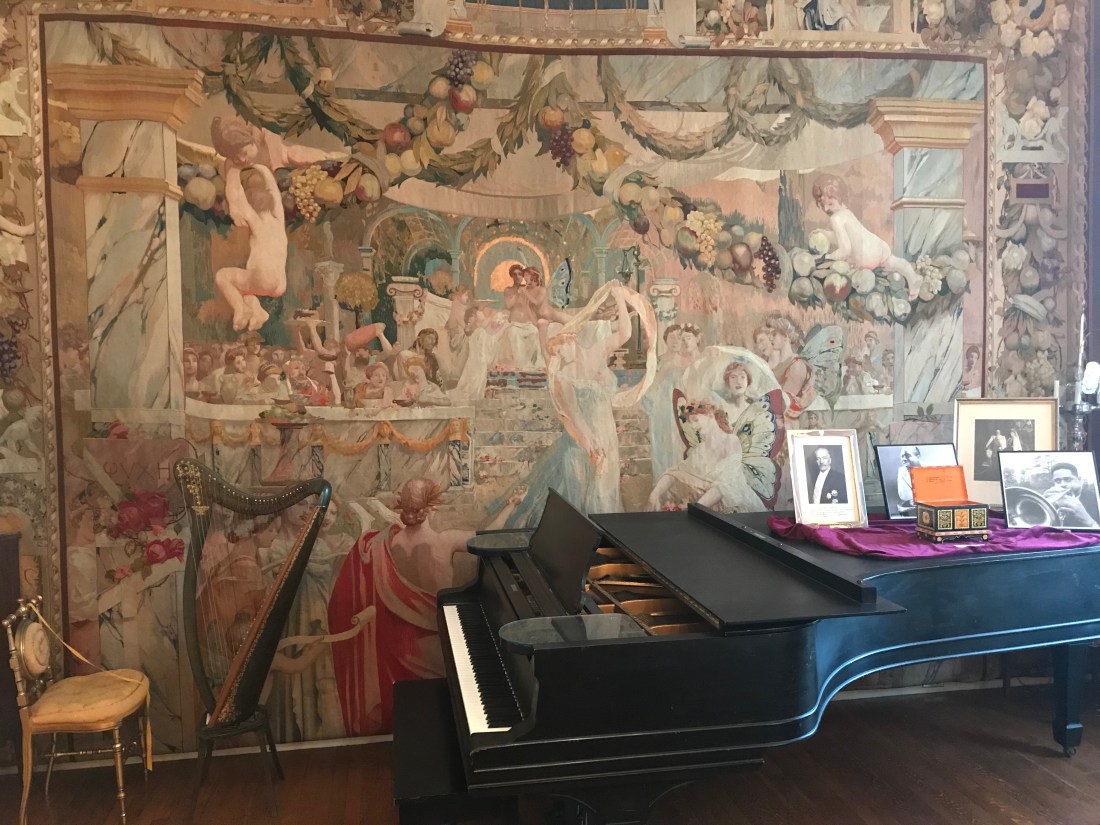
This large tapestry, which Woodrow really favored, had hung in the White House before being moved here. Wilson absolutely loved to view artistic pieces.

This ornate fez was given to Woodrow Wilson by a eastern European nation as a gift. He naturally had a large collection of state gifts, for people outside of America viewed him as the Messiah/Savior of World War I.
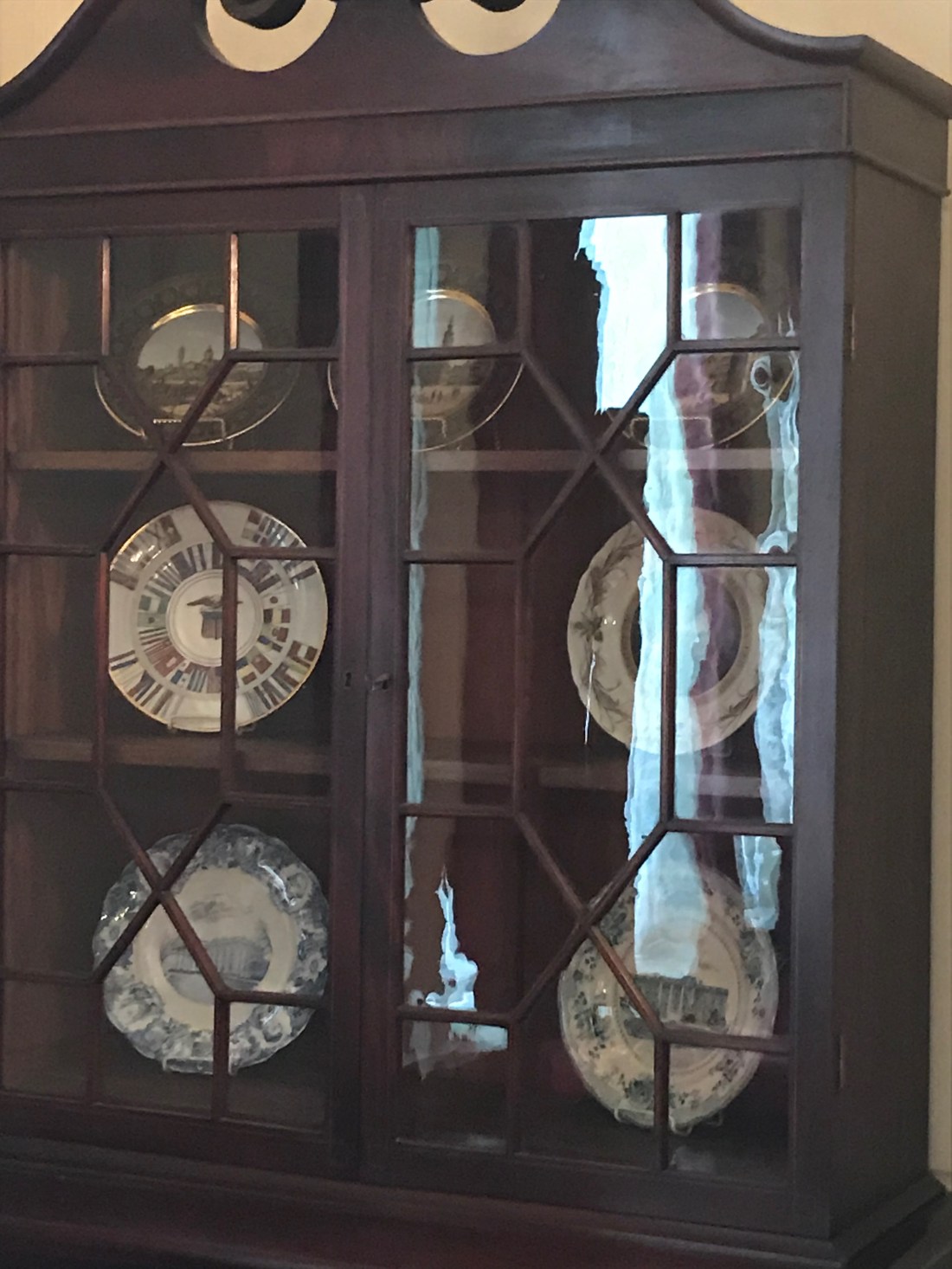
Interesting White House China, all of which Ellen and Edith Wilson owned (if your wondering who Ellen is, she was Woodrow’s first wife. I’ll get back to her in a bit).
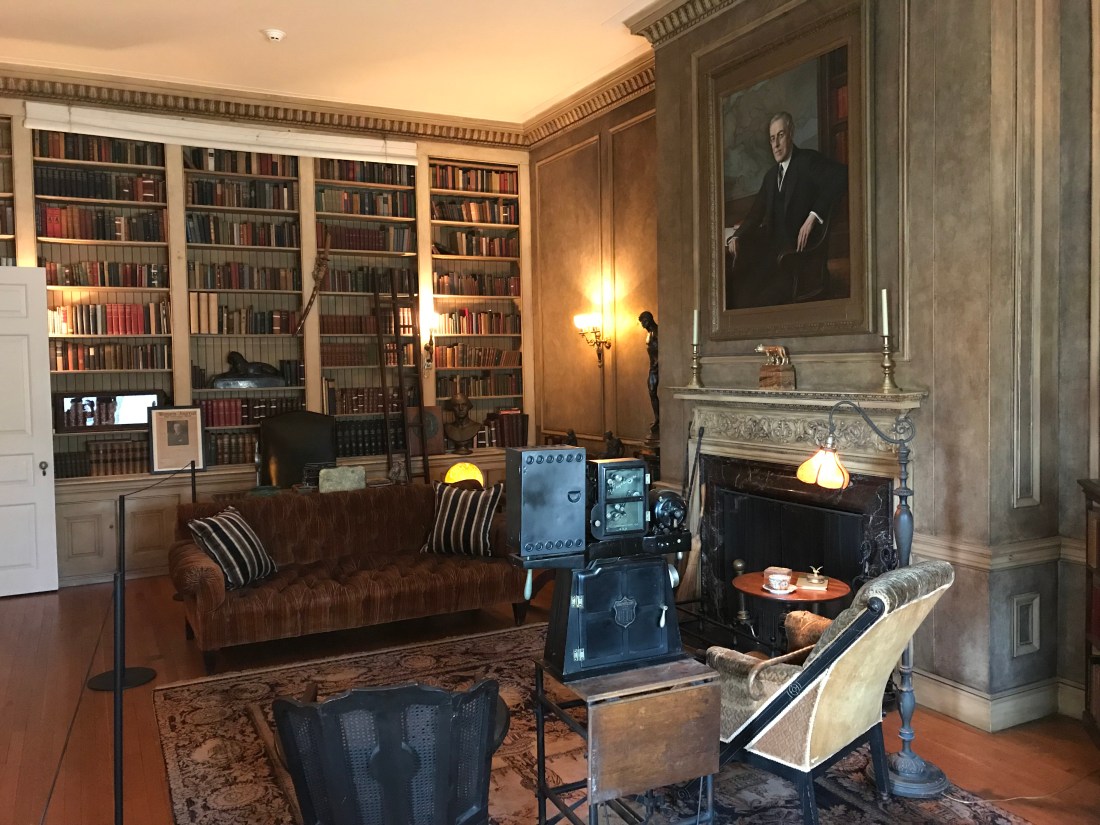
Woodrow Wilson’s personal library! He loved to work here, and was a super-avid reader of History.

The books in the case are all first-edition copies of some of Woodrow Wilson’s history books, many of which were penned by himself. He remains the only President to have earned a PhD (In Political Science), and he was even Princeton University’s President, the campus of which he helped to turn into a first-rate University.
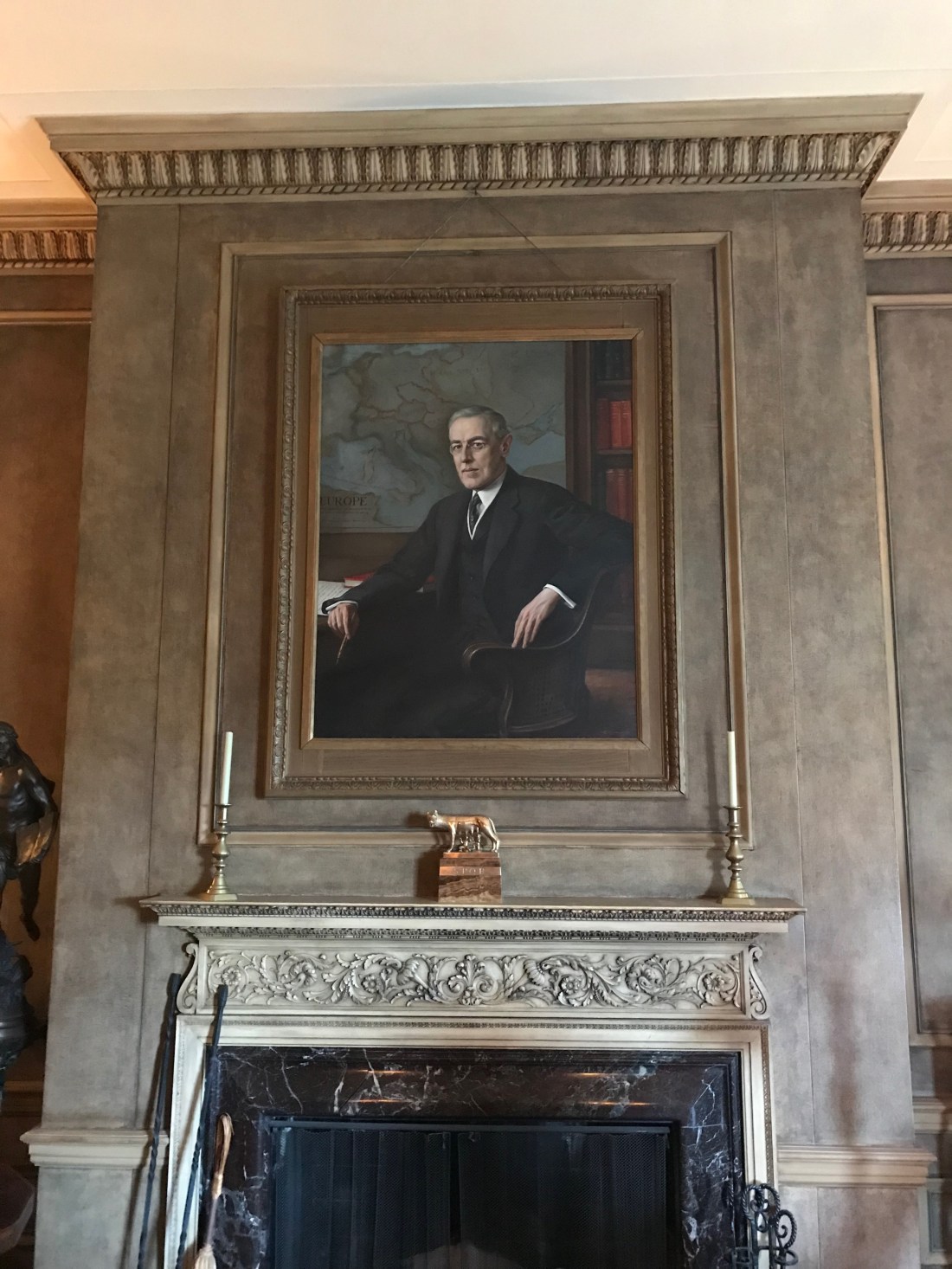
Woodrow Wilson himself. He had a very fastidious nature, yet was always a very emotional man.

Though not an original radio microphone piece to the House, this does allude to his famous radio address on November 10th, 1923, the 5th anniversary of Armistice Day (better known as Veterans Day). Wilson delivered an address that promoted the need for the United States to join the League of Nations, the Alliance formed by the nations of the world following World War I in order to prevent conflict. The speech was well received, though not enough to make the United States join the league.
For you see, after seeing many of it’s doughboys go off to war and die in the trenches, Congress and the country were tired of the idealistic mind of Wilson’s speech, and simply wanted to return to Isolationism.

Wilson campaigned extensively for the League of Nations, embarking on a nation-wide speaking tour, until he collapsed of exhaustion in Pueblo, Colorado, and then suffered a massive stroke that left the left side of his body paralyzed. Wilson’s refusal to compromise with the Republican Congressman of the time doomed America’s chance of joining the League, making the latter slightly weaker in structure (and perhaps allowing more nefarious threats to arise in Europe, which, considering that it is called “World War I”, I am sure you can guess what happened later).
We then stepped outside to view the gardens of the estate.

Suffice it to say, it was beautiful, even for an urban area like this.

To keep it’s funds full, the House rents the space to anything from conferences, celebrations and weddings, which, as the tour-guide explained, was the “Bread and Butter of our funds”.
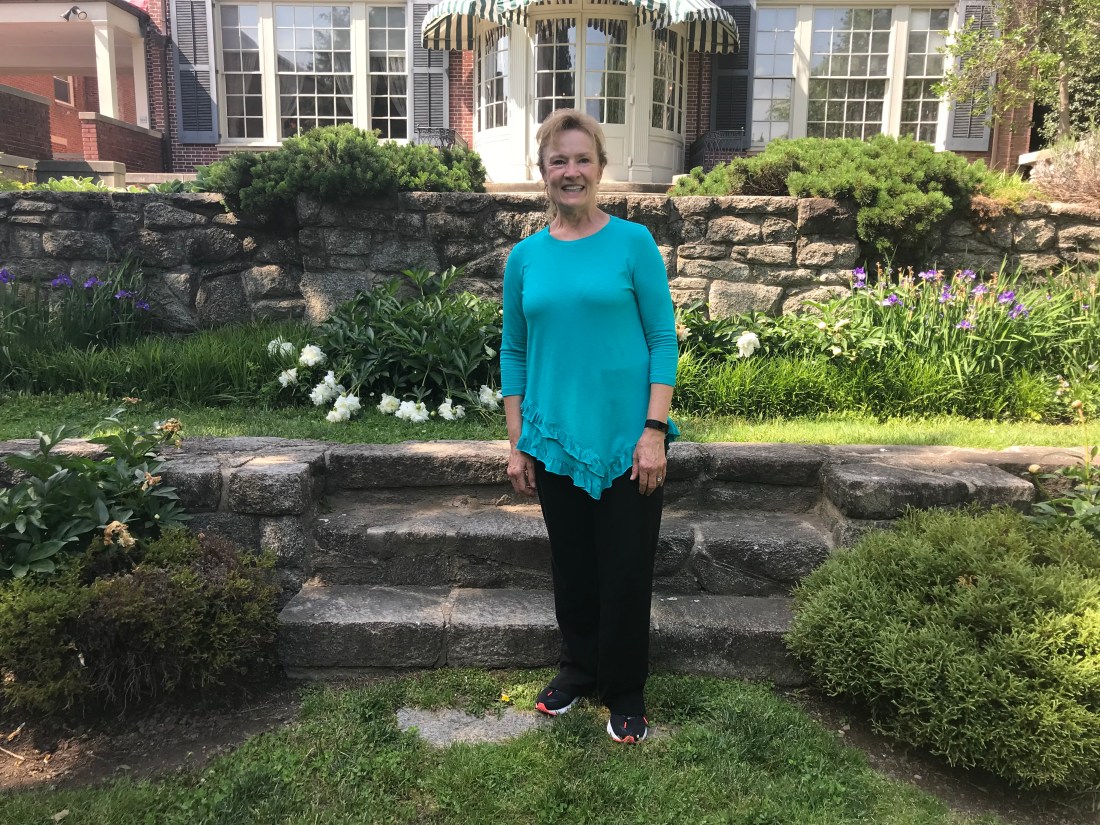
Mom loves the flowers here. A gardener comes by once a week to trim the plants to perfection.

And there is looking back out at the house, which also has a balcony on the third floor so one can lookout.
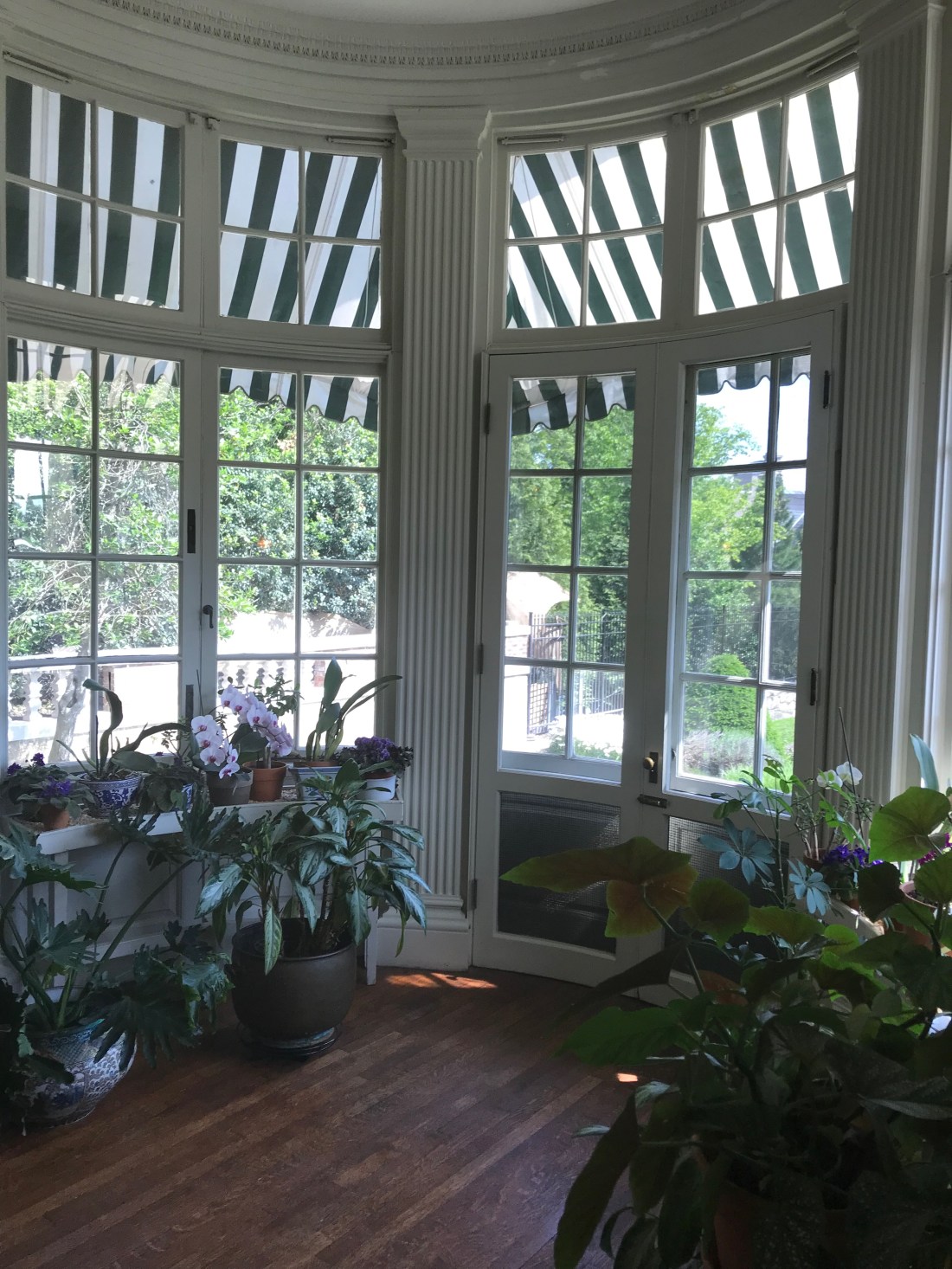
This little portico served as the informal dining room for the Wilsons, which is now filled with plants.
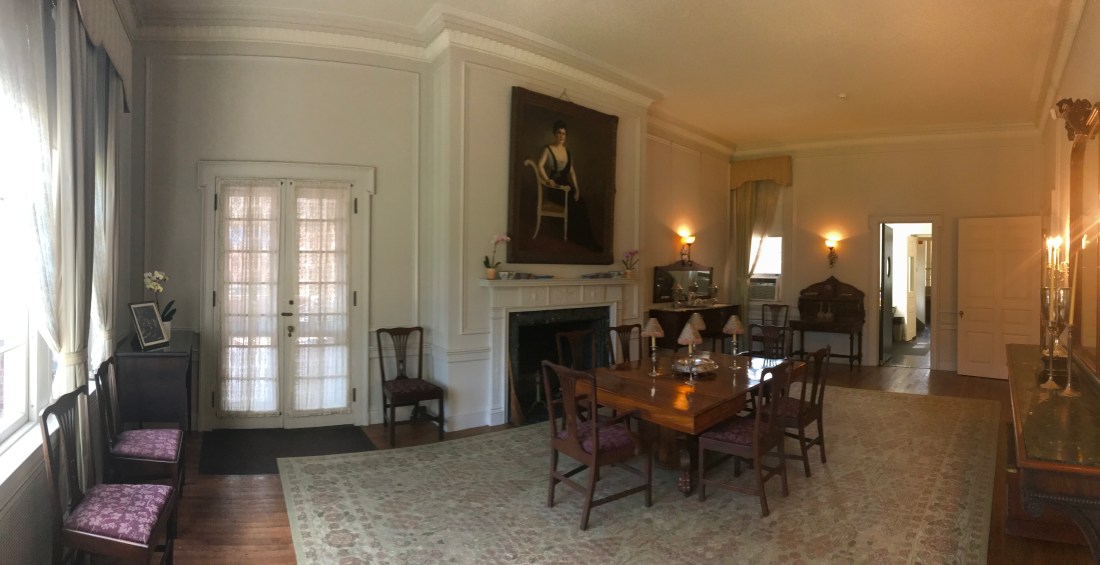
And this is the formal dining room, where the President and Mrs. Wilson would eat at formal arrangements. In fact, Edith Wilson met with First Lady Jacqueline Kennedy for a brunch here.

And there’s Edith herself… she cared for Woodrow so much during the remaining year-and-a-half of his administration, during which he suffered from his massive stroke mentioned earlier. She wouldn’t let any see him in his poor condition, and relayed messages between him and Congress.
Some people claim that Edith was the first female President that we’ve had, because she had great control over how people viewed his husband, since he was immobile and barely able to move a muscle. She herself had stated that she did nothing that Woodrow wouldn’t have done, and always counseled with him about certain matters. It can be argued how much control she actually had over Woodrow, but few could deny her devotion to him and his wellbeing.
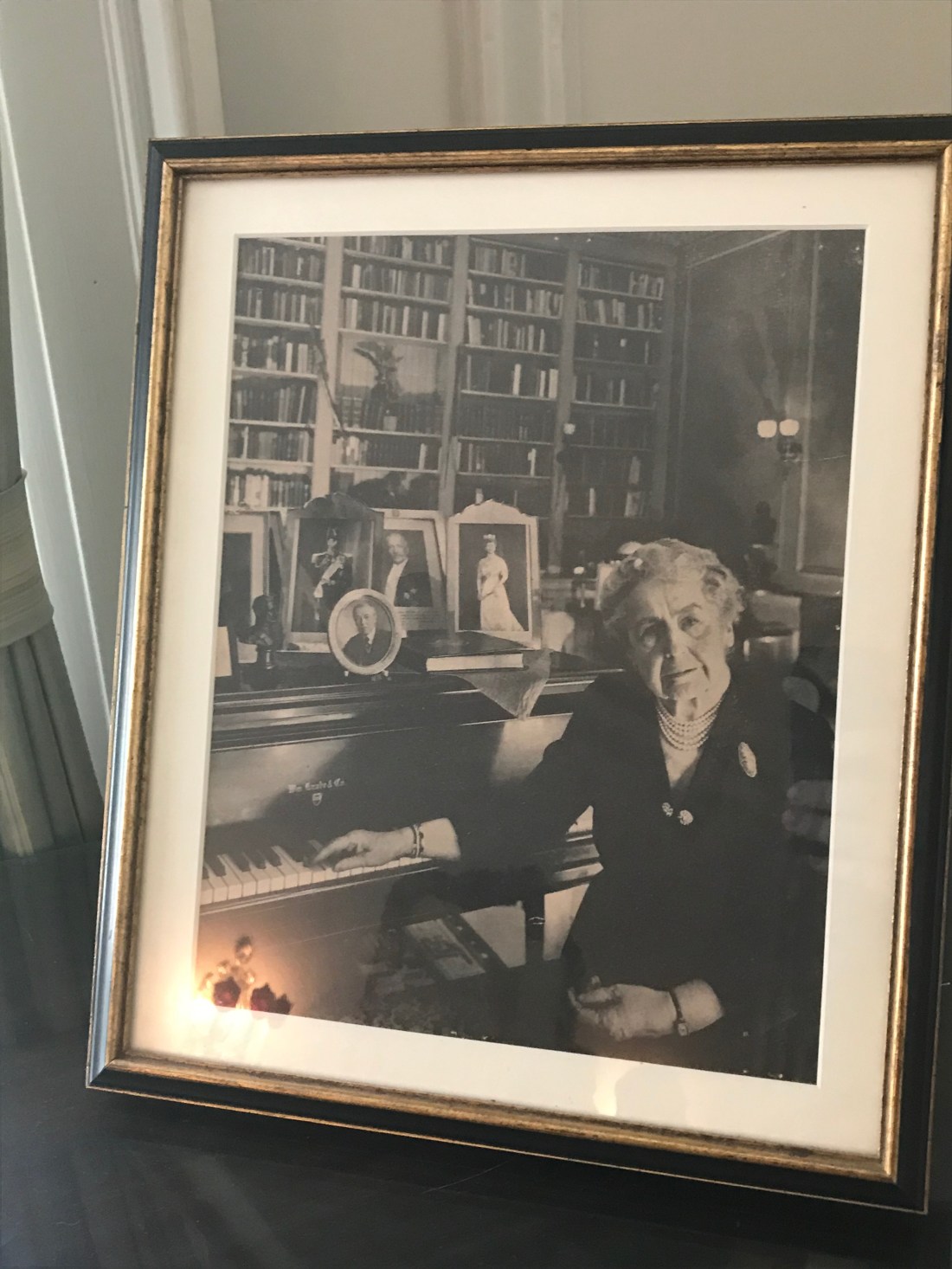
And this is Edith in her older years, the sweet thing. This picture was taken sometime in the 40’s. She died on December 28th, 1961, Woodrow’s birthday.
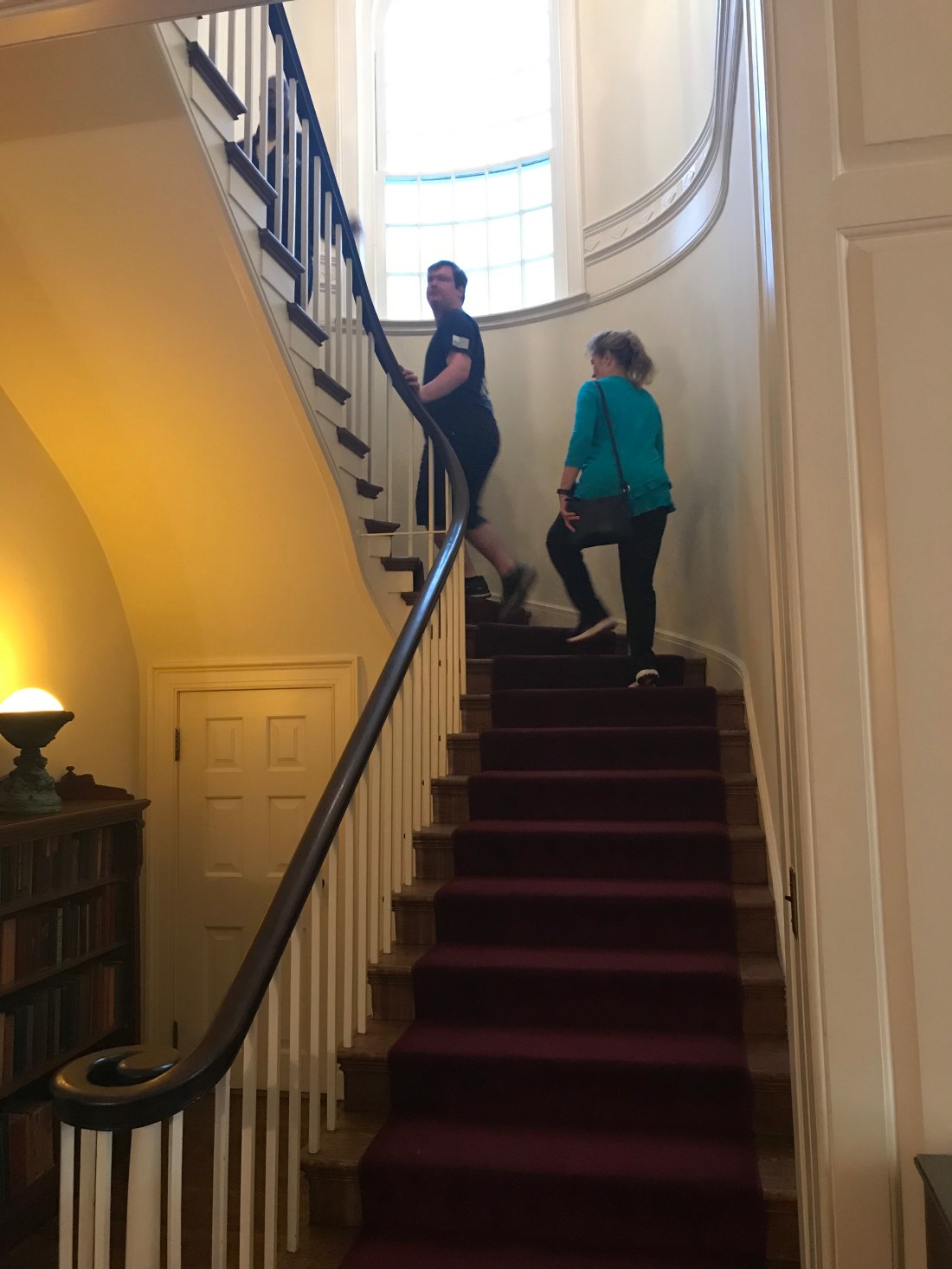
Up we go, to the third floor!
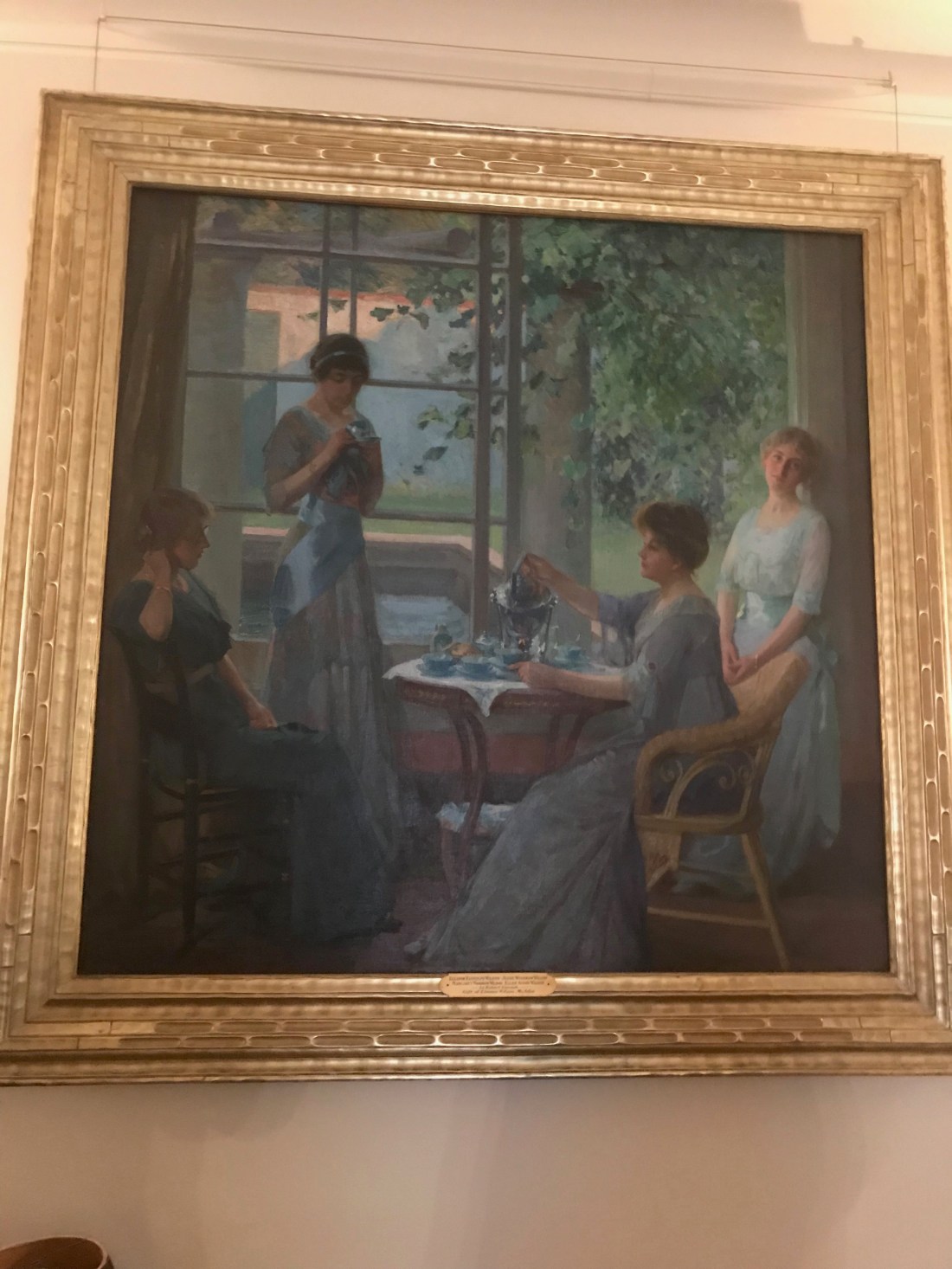
Wilson’s first wife Ellen, along with their three daughters: Margaret (who acted as White House hostess after Ellen died, and before Edith came along), Eleanor, and Jessie.
When Ellen Wilson died in the White House, Woodrow was simply taken aback and shocked to his very core. To him, it seemed that all the life and goodness of the world had vanished in an instant… he fell into a lonely depression, and only the vitality of Edith Bolling Wilson could rejuvenate his spirit into what it would be needed for leading America into the Great War.
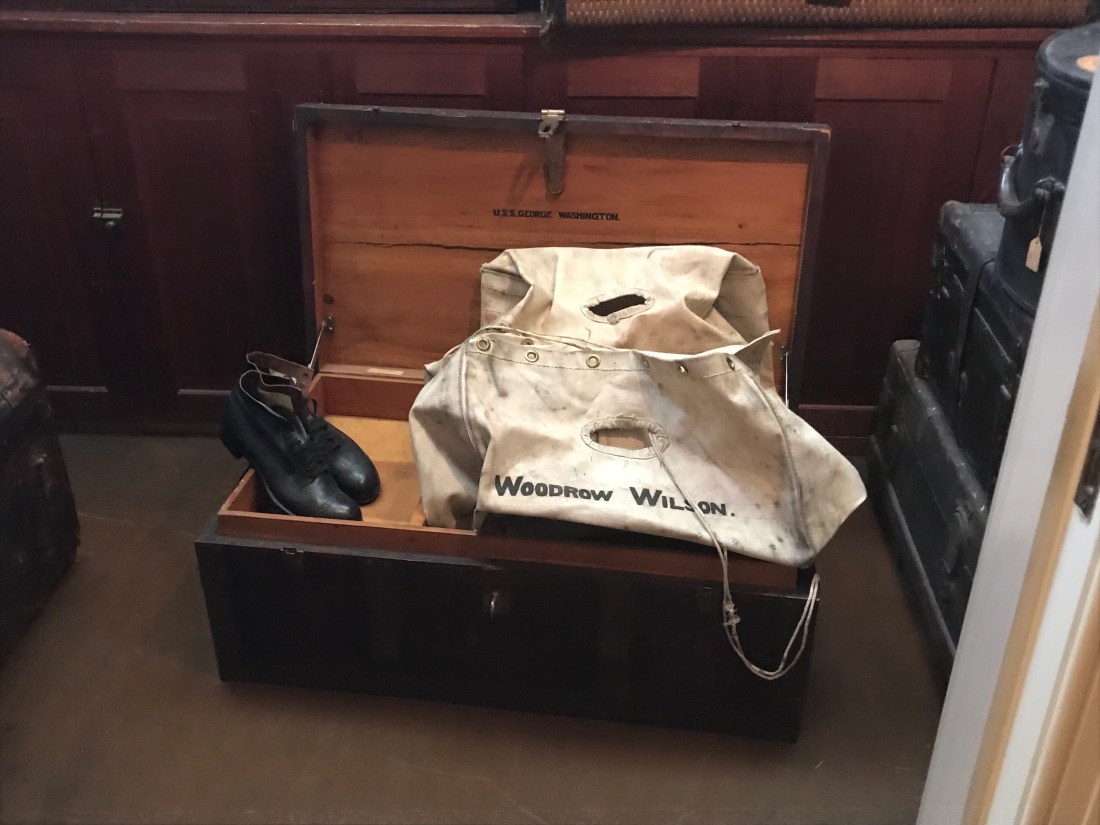
Wilson’s personal trunk taken with him to Europe, where he would partake in the Treaty of Versailles among other major world leaders. The ship that he sailed on was the U.S.S. George Washington, hence the lettering on the inside of the lid.

Woodrow Wilson’s bedroom. He and his wife slept in separate rooms.
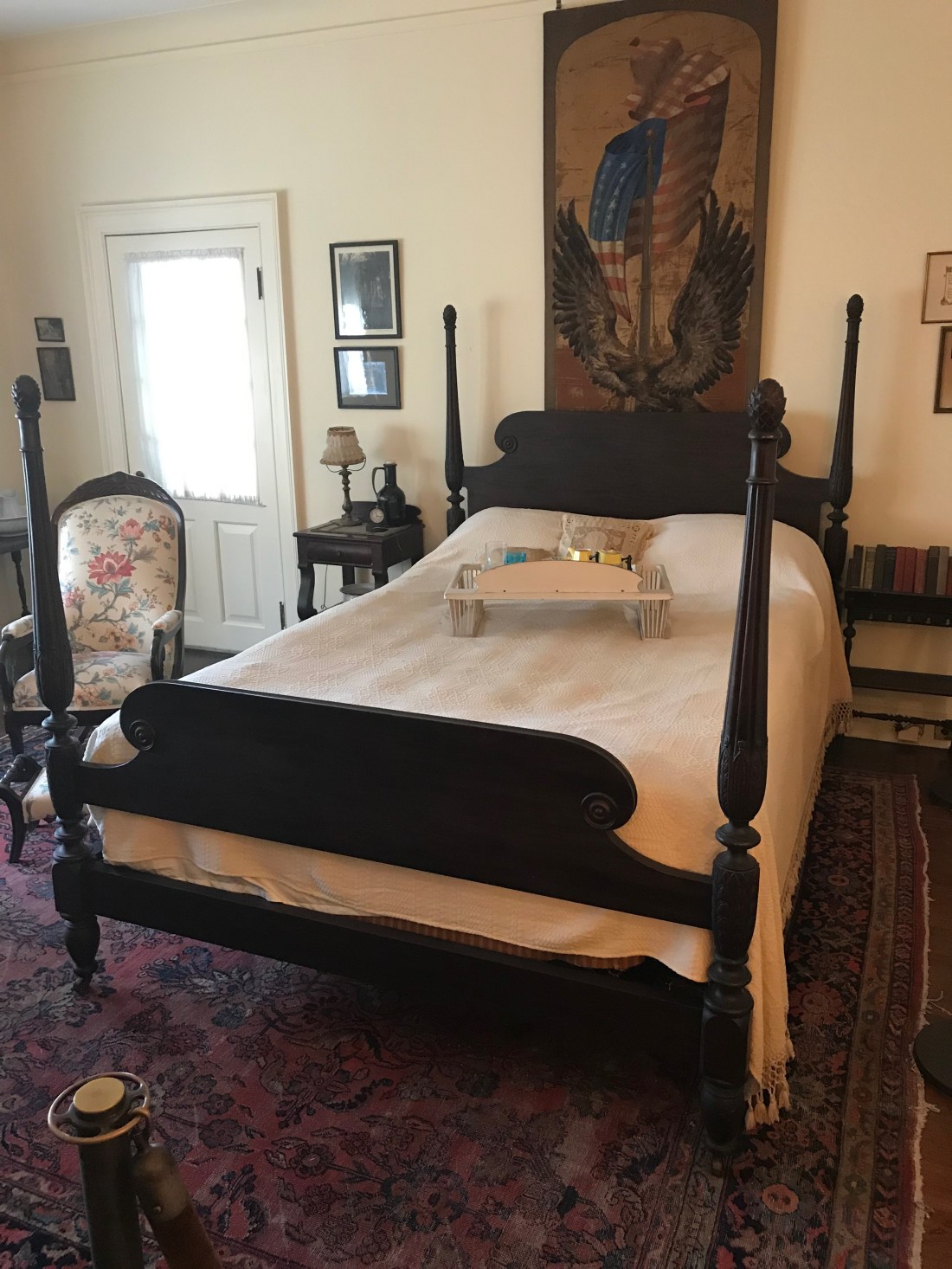
It was here in this bed that he finally breathed his last at 67 years old. He proclaimed: “When the machinery is broken… I am ready.” His last word was simply: “Edith”.
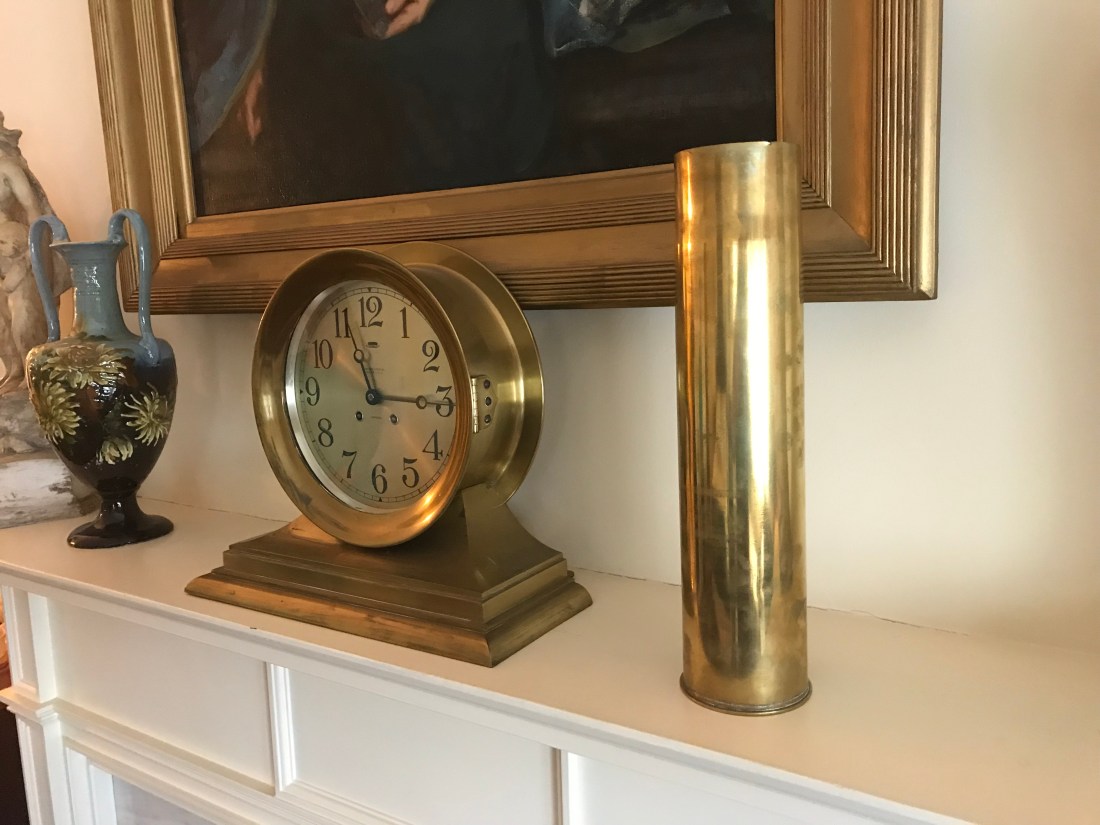
The golden item on the right is the first artillery shell fired at the German Army during World War I. The boldness of the American aid helped to turn the tide of the war against Germany and it’s allies.
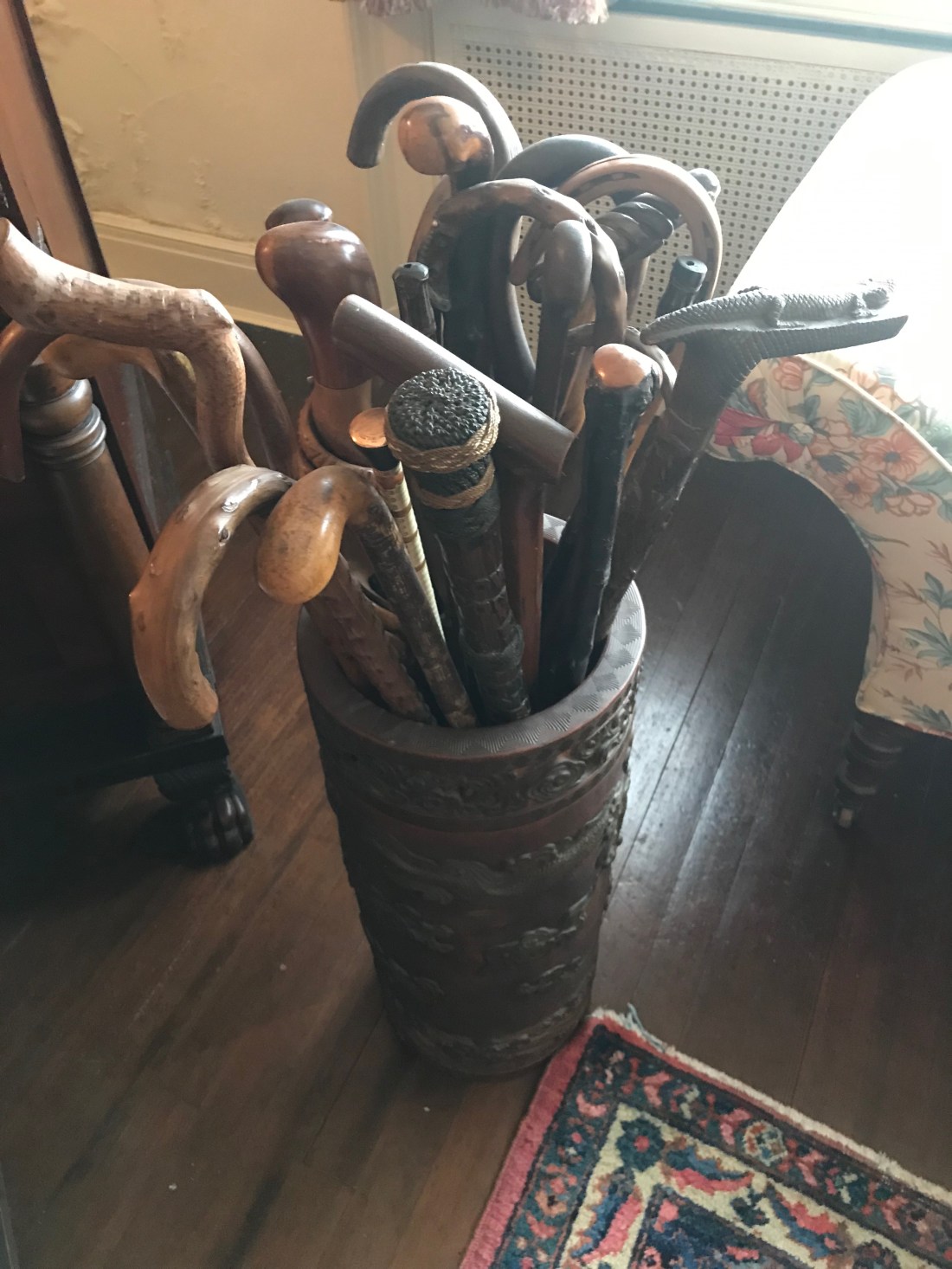
Woodrow Wilson had a large collection of canes, much like Benjamin Harrison (in reference to my post in Indianapolis in 2018). It’s unknown which was his favorite.
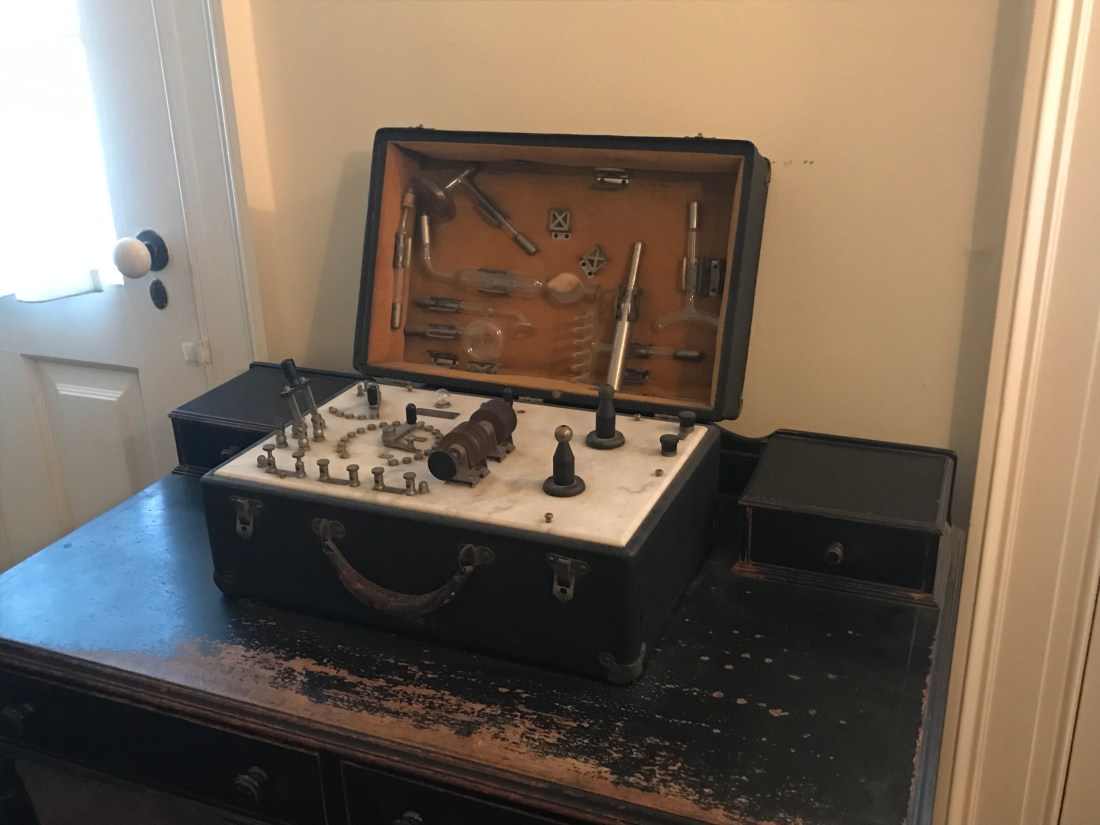
A medical kit. There were always staff in the house with the Wilsons, such as the nurse, and some assistant who would assist the President in walking around (he was limited to using a cane and personal assistance, following his stroke).

Edith Wilson’s Bedroom, which she likely used for a long time.
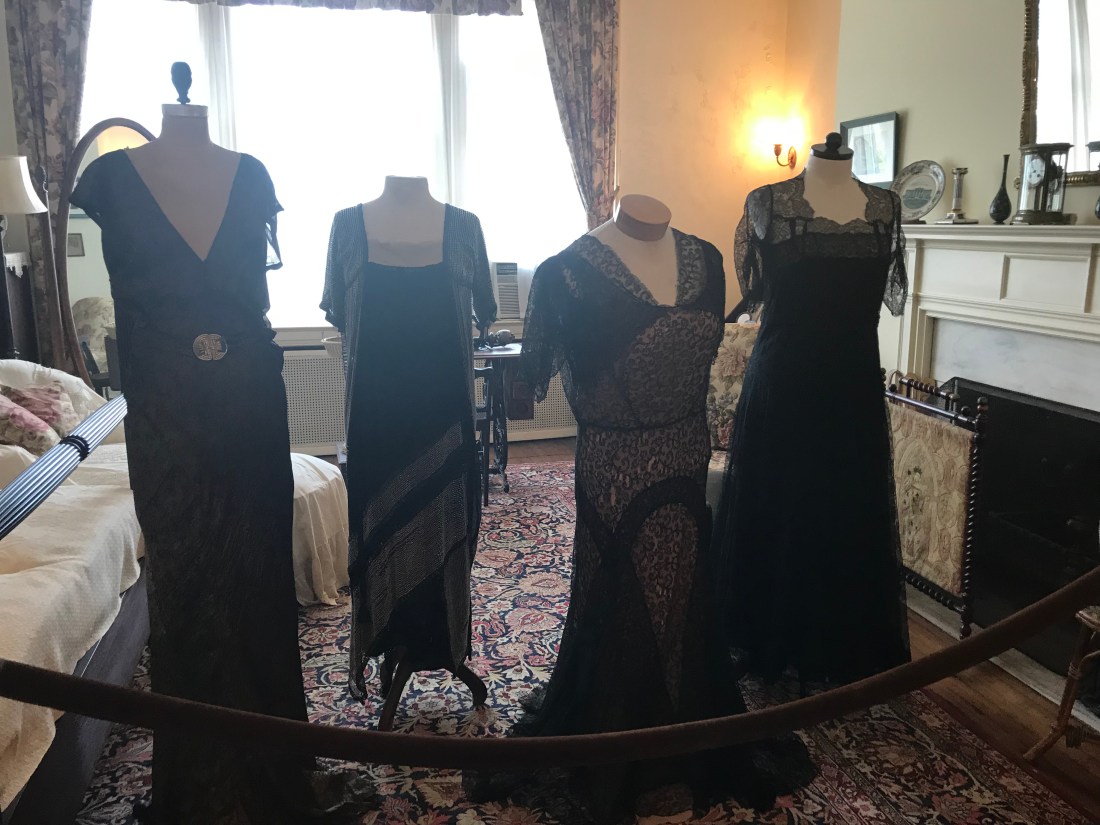
Some of her actual dresses, most of which were from when she was First Lady! She wore a lot of black in recognition of her husband.

Heading backstairs, we came to the still-working elevator, which was the only way for Woodrow to access the upper levels.
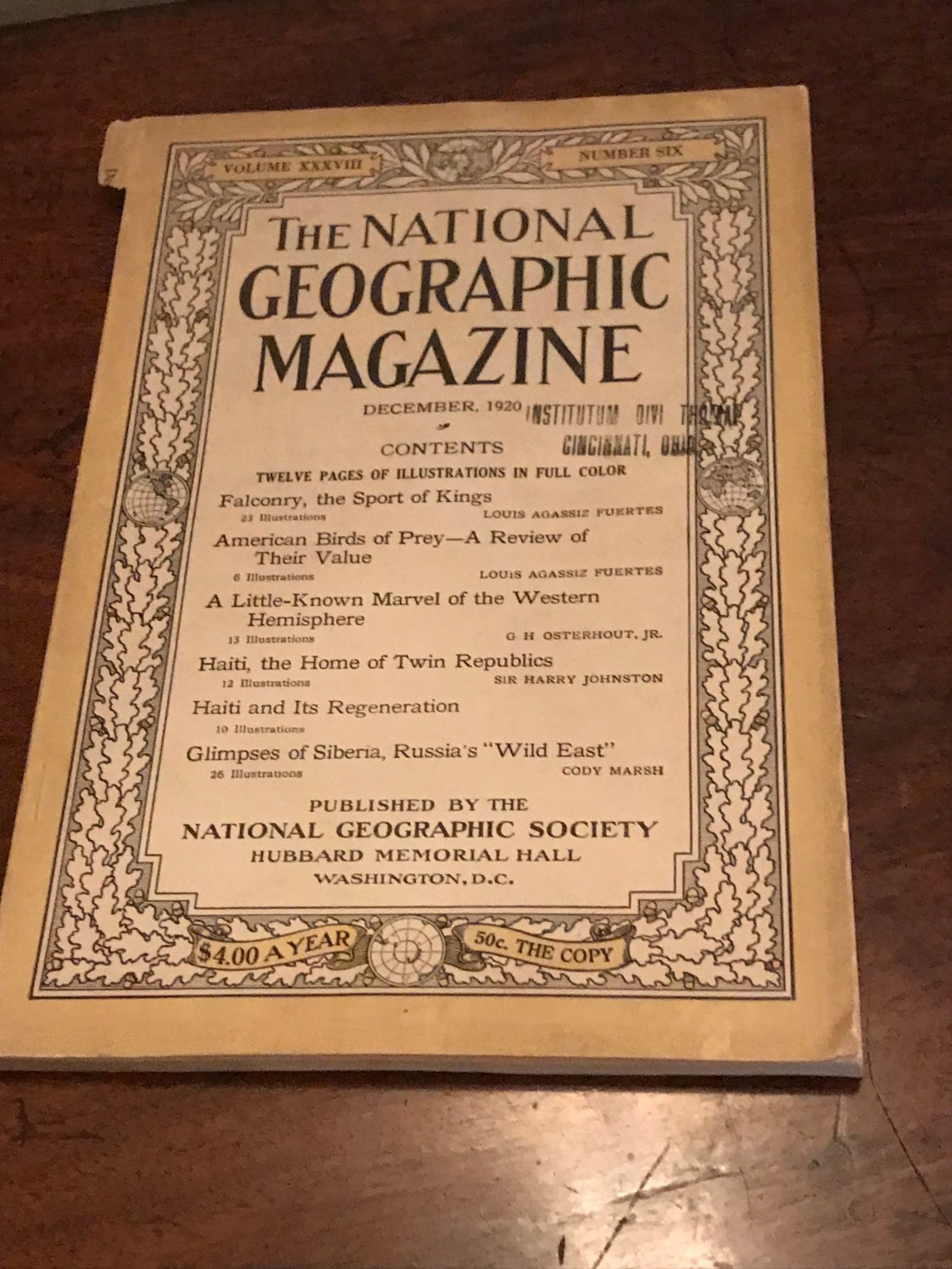
National Geographic has certainly evolved it’s design…
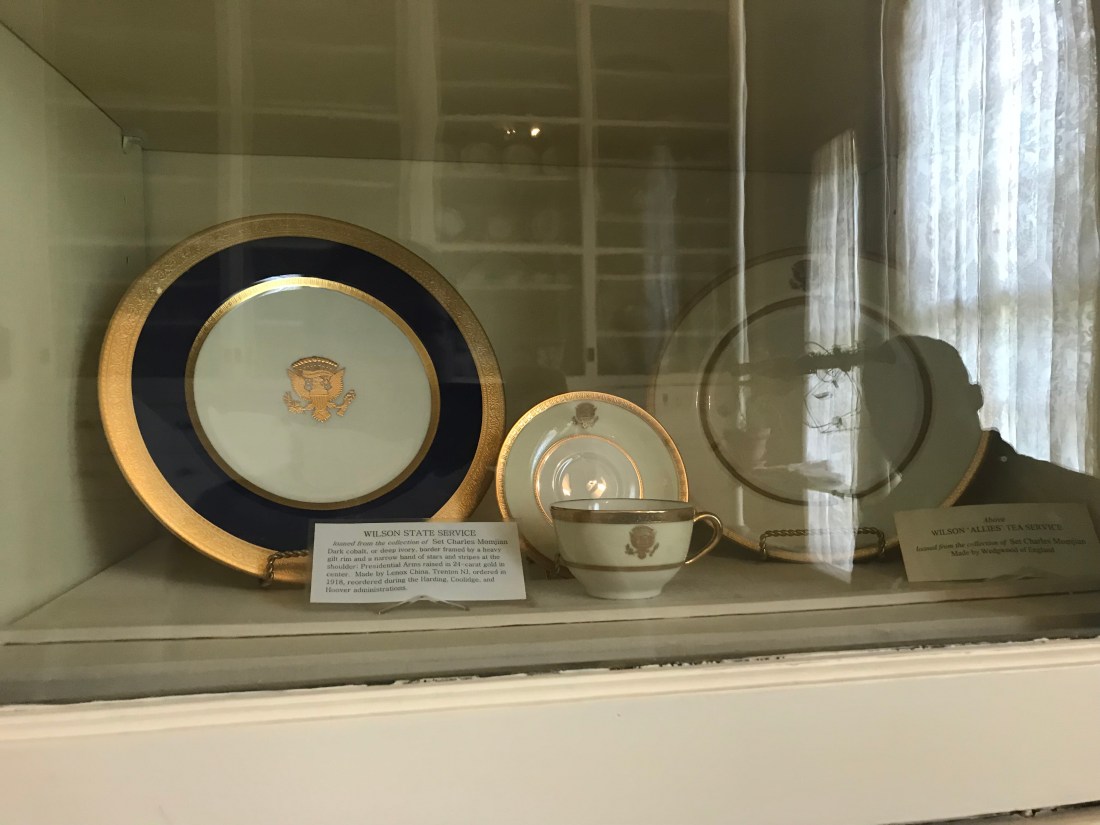
Part of the official State Dinner China set presented to Woodrow Wilson after he left office. The china is specially made in New Jersey, which Woodrow Wilson had several connections to.

Yet more china, much of which I couldn’t even dare to count.
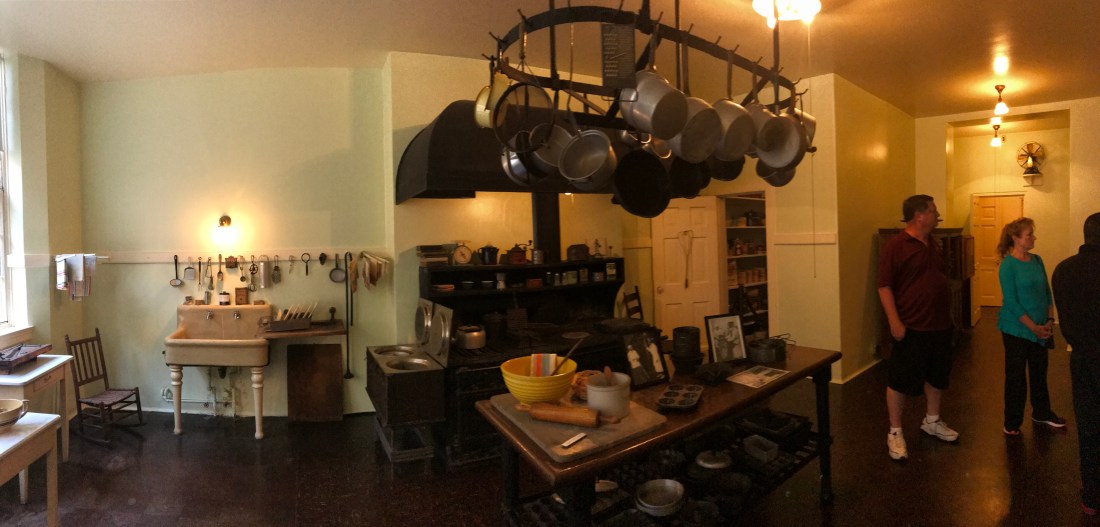
The kitchen, which was very well equipped for it’s time.

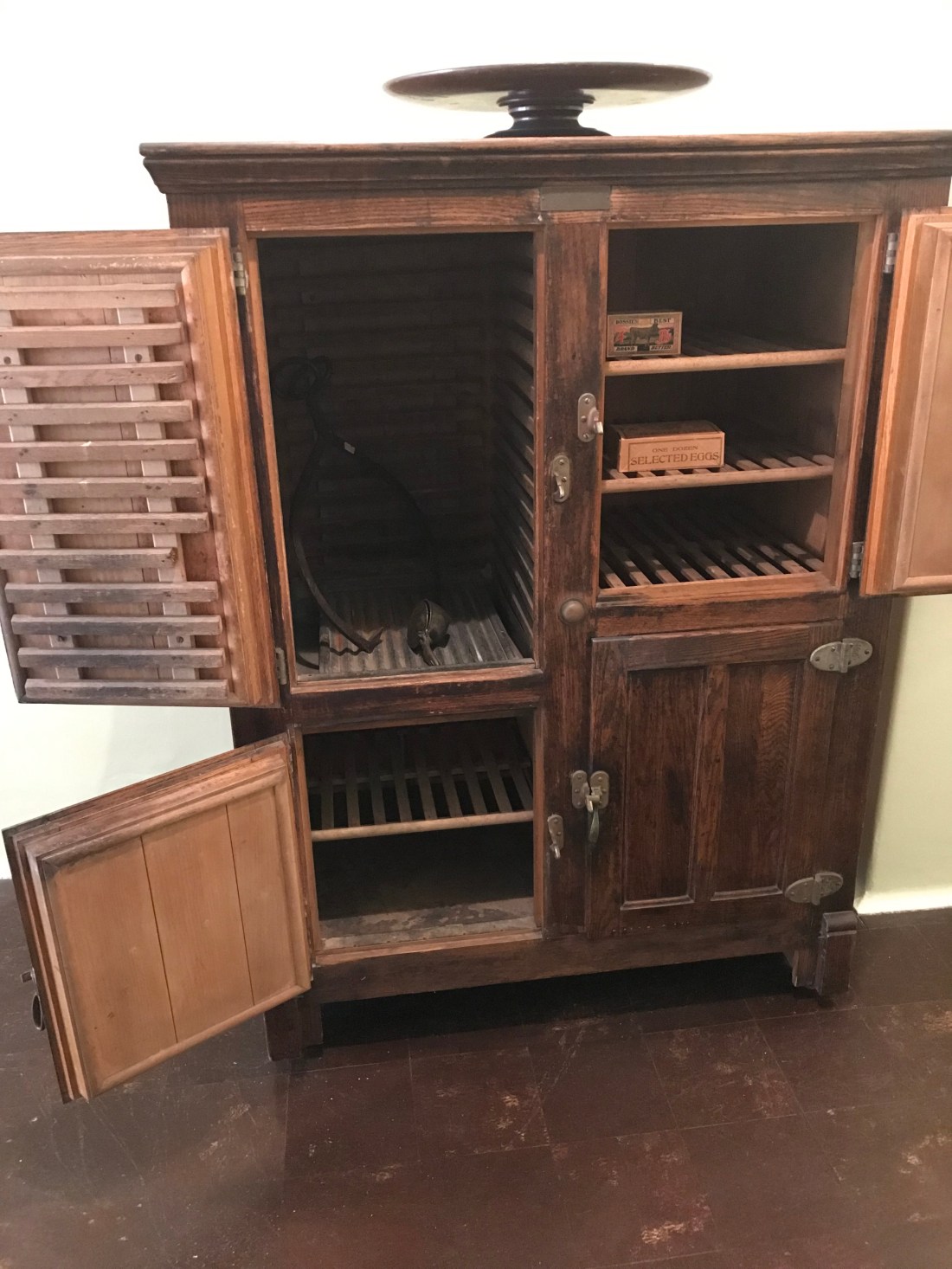
And this is an ice-box, the ancestor of the refrigerator, with an accompanying ice-pick inside.

Edith’s heirloom china plates from her family (she was a distant relative of Pocahontas).

A plate commemorating the Formation of the United Nations (this was done back when it was thought that the U.S. would join the League, before it was shot down by Congress.
In presentations like the Woodrow Wilson House, Historical homes are not necessarily sterile relics of the past, but potential portals into the times that they portray. And when they pertain to certain individuals long since gone, it’s more likely than not to be a terrific representation of that person’s personality or mindset. If one finds the right signs, then stories become revealed to us, thus lending us more empathy to the past.
Fare thee well for now Mr. Wilson!

As for that “Nighttime Excursion” that I mentioned, we went to see a few of the monuments at night! I’ll only touch briefly on a few of these, since this is a bit of a long one.

The World War II Memorial.
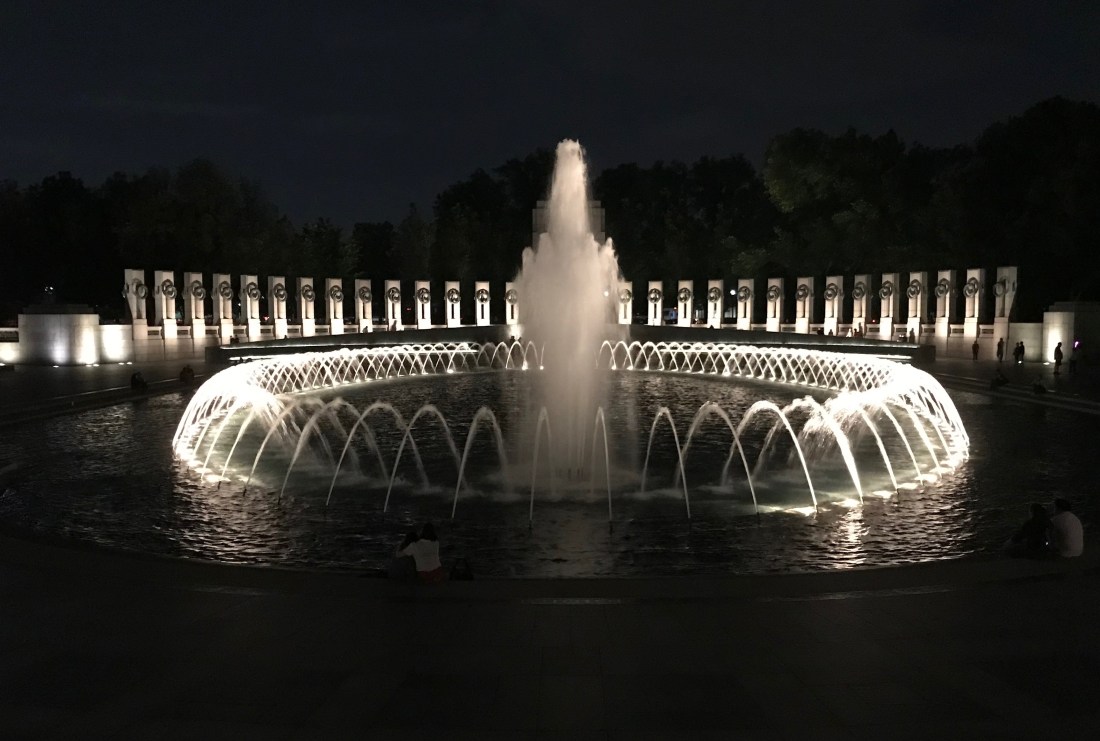
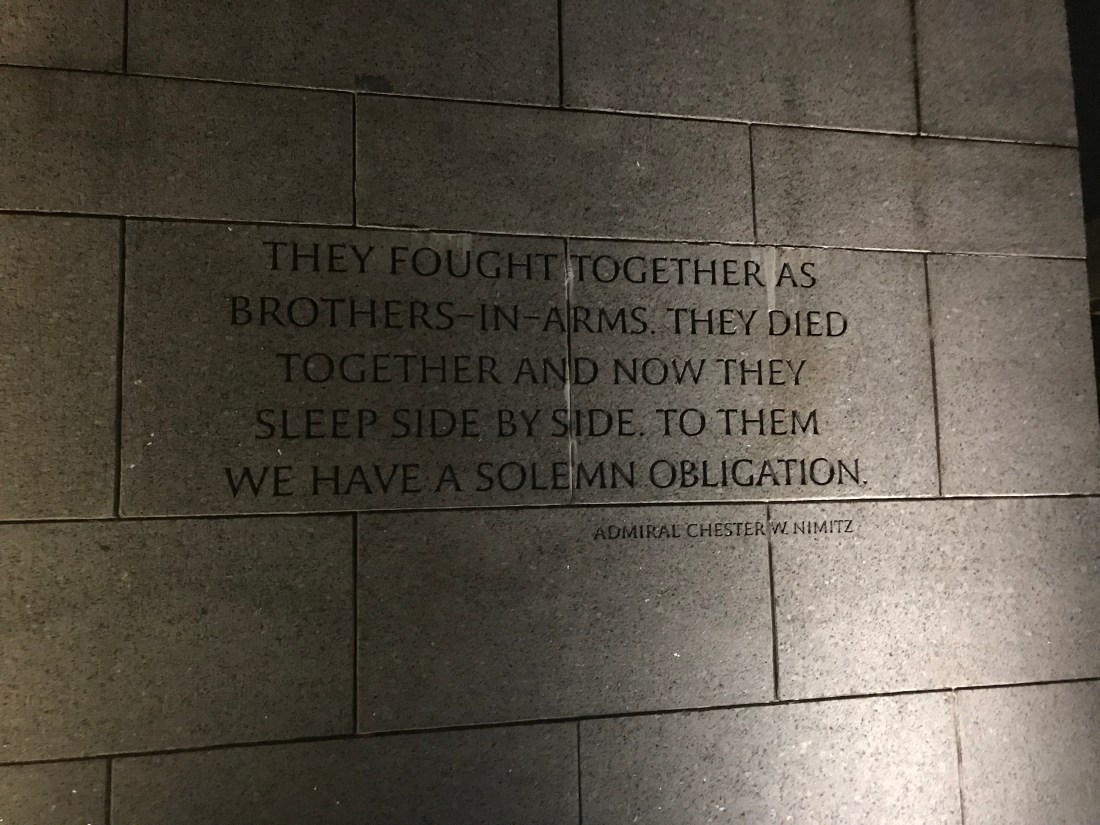
Admiral Nimitz is actually from Fredericksburg, Texas. The National Museum of the Pacific War is located nearby his boyhood home in town.

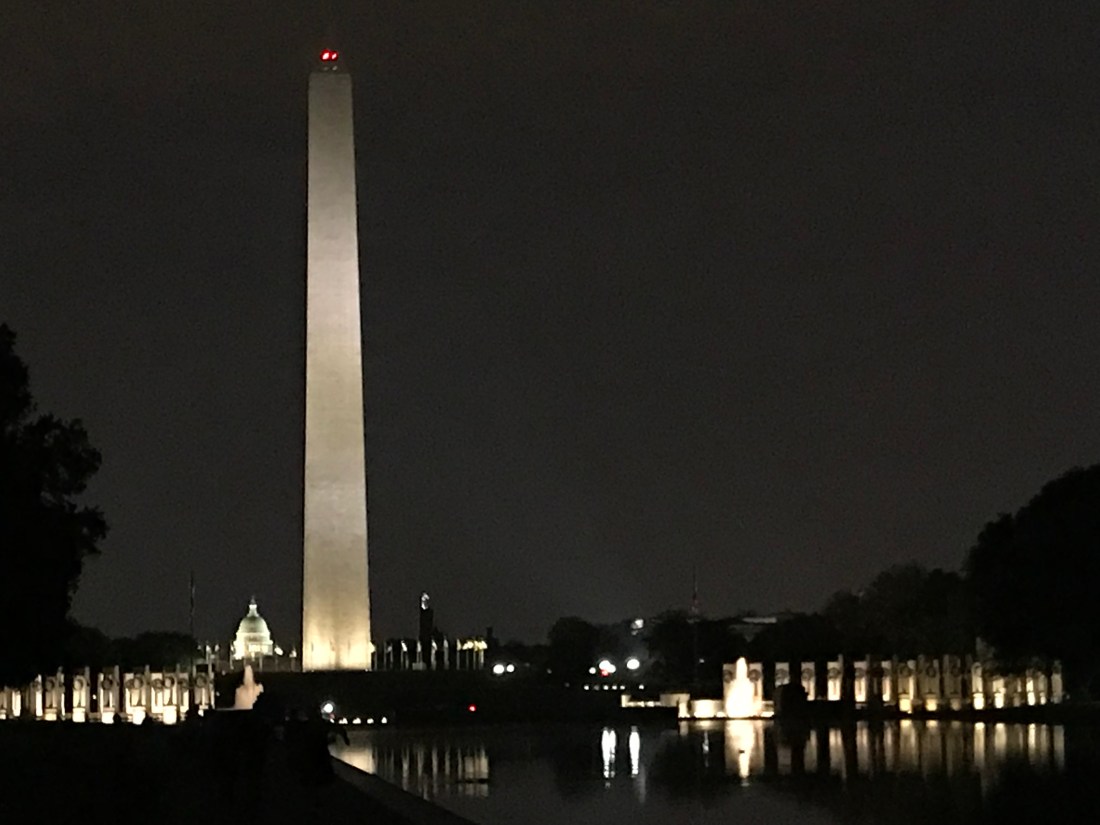
The Washington Monument. Notice the Capitol dome in the background of the second photo.

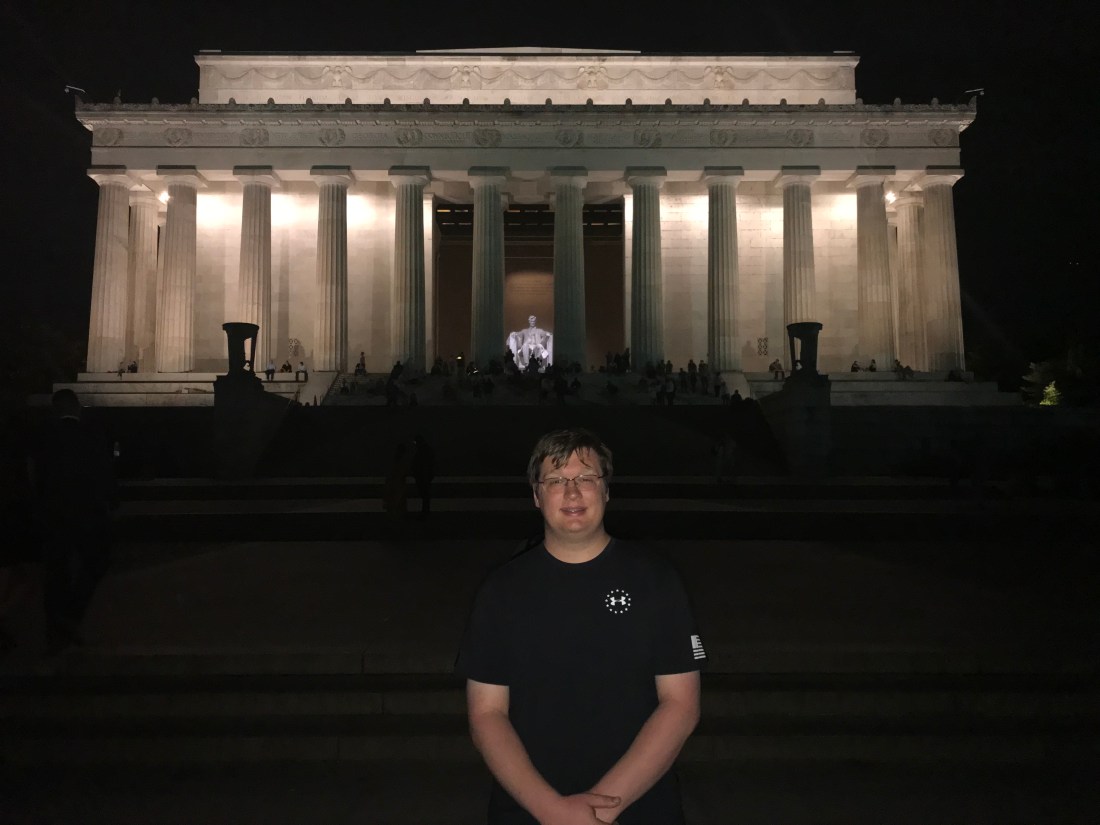
And finally, the Lincoln Memorial.

Looking back down the Mall at the Washington Monument, and Reflecting Pool.

It’s even more beautiful and mighty at night.


Hopefully this great place can continue to be preserved for years to come, as well as it’s ideals.
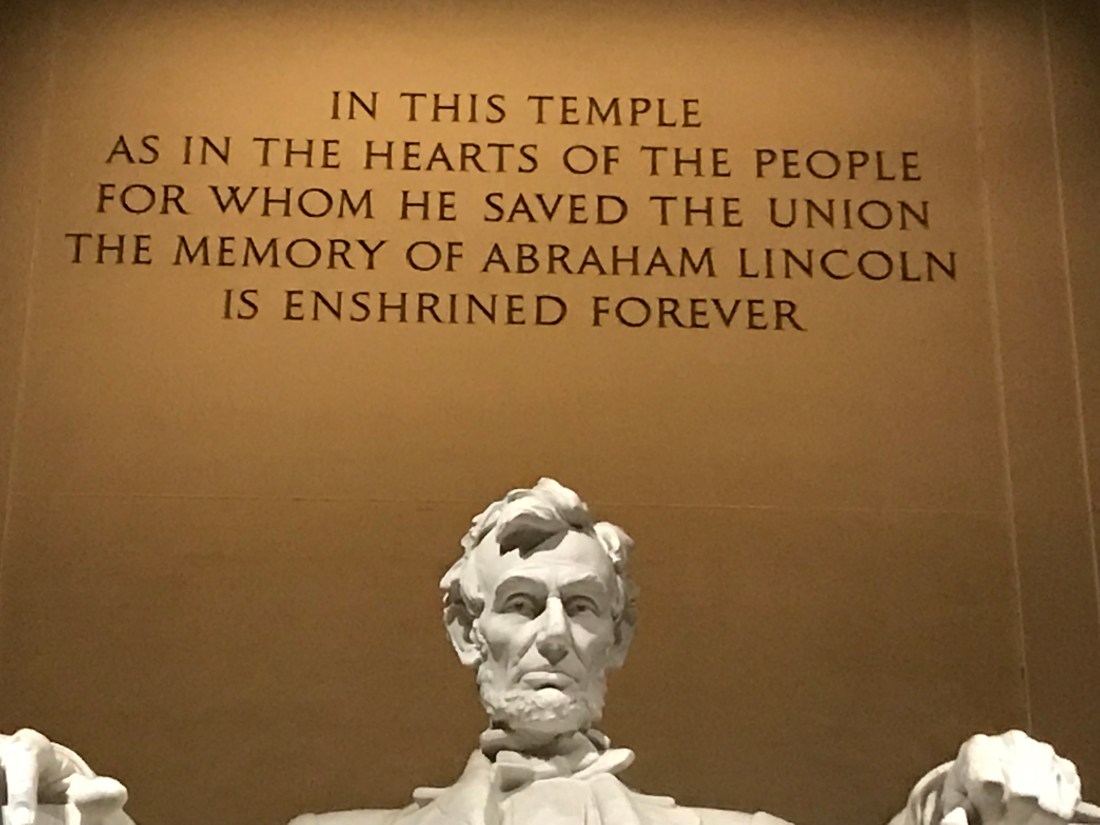
Thanks again y’all, and once again, I apologize for the late notice. I’ll try to send my post for today ASAP, so hang onto your seats! See you soon!
 Mark's Historical Roadtrips!
Stunning looking cathedral!
LikeLike